

Parametri
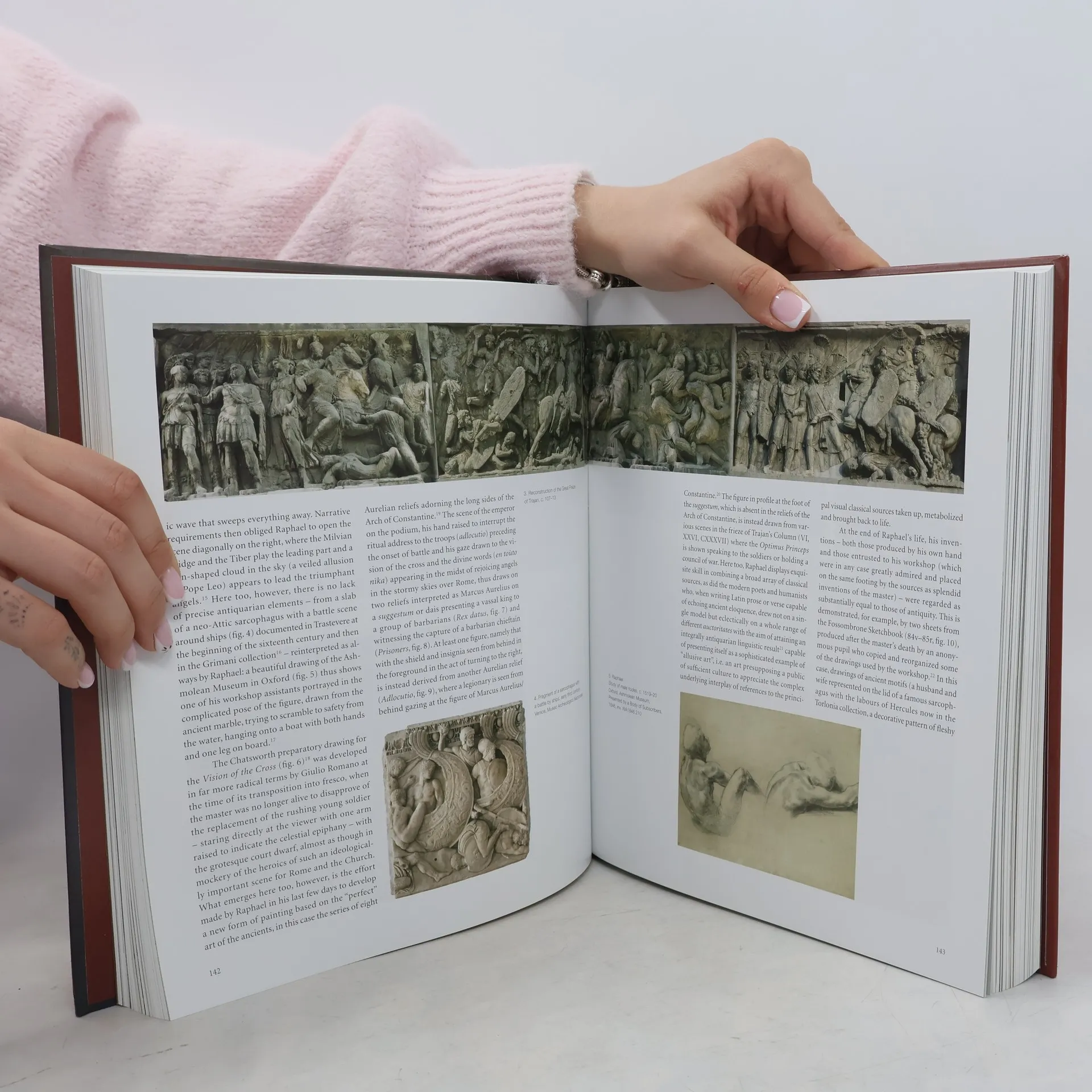
- 543pagine
- 20 ore di lettura
Maggiori informazioni sul libro
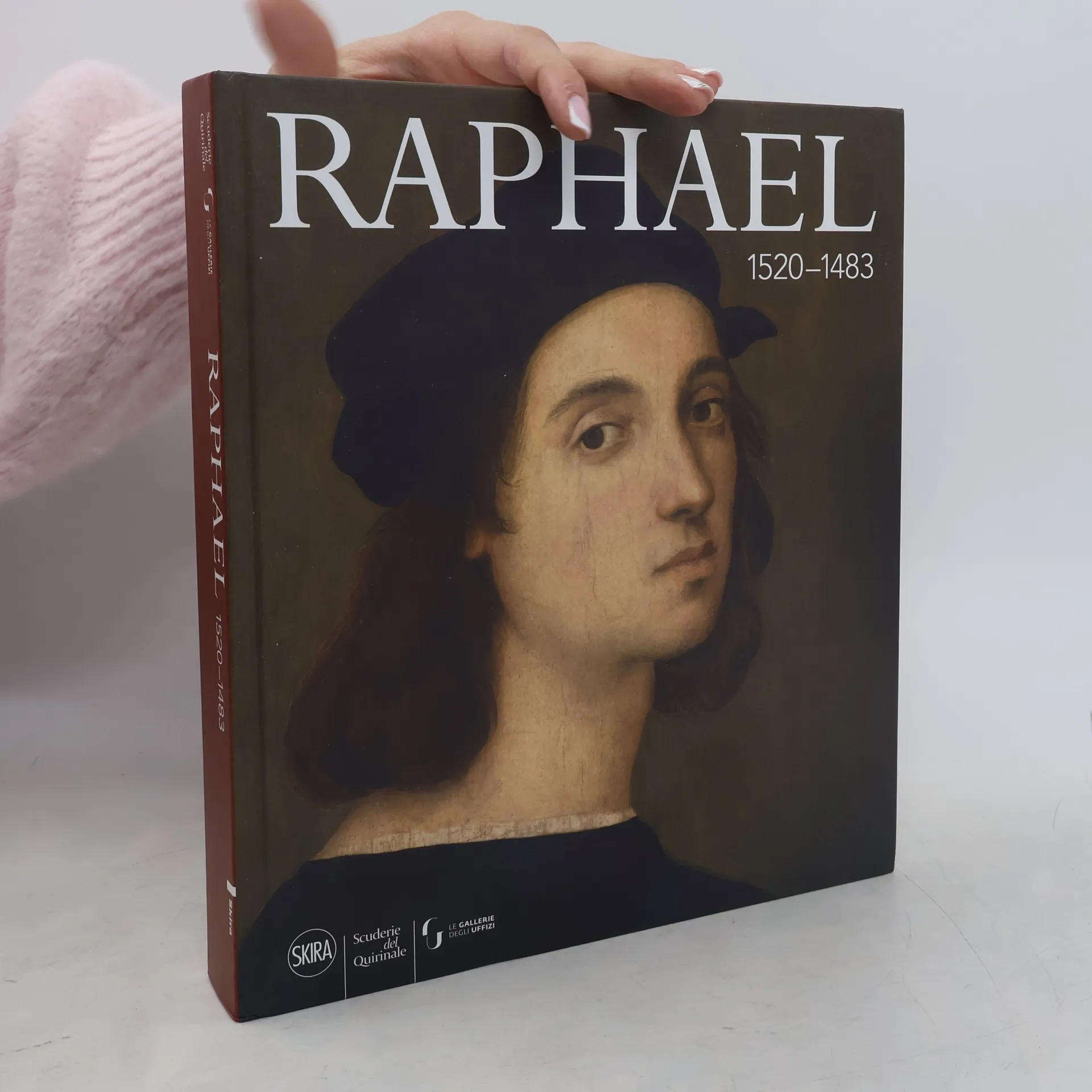
A tribute to the master of Urbino on the 500th anniversary of his death, this significant exhibition in 2020 showcases the painter's legacy. Published in collaboration with major museums, the monograph offers a unique retrospective journey through Raphael's life, exploring his connection to the ancient world and Rome, guiding readers from his death in 1520 back to his formative years in Urbino, Città di Castello, Perugia, and Siena. The publication features contributions from an esteemed scientific committee, with each member curating a section of the catalogue, introducing their essays alongside detailed entries of the works. Raphael (1483-1520) is celebrated as the quintessential High Renaissance painter, and despite his early death at 37, his influence as a classicism paragon shaped European painting until the mid-19th century. Born in Urbino to court painter Giovanni Santi, Raphael likely began his training there, influenced by Mantegna, Paolo Uccello, and Piero della Francesca. His early works were also shaped by Perugino. From 1500 to 1508, he worked across central Italy, gaining recognition as a portraitist and Madonna painter. In 1508, at 25, he was summoned to Pope Julius II's court for the papal apartments' redecoration, evolving into a master portraitist and history painter, eventually becoming the architect in charge of St. Peter's after Bramante's death in 1514.
Acquisto del libro
Raphael, Raffael, Matteo Lafranconi, Marzia Faietti
- Lingua

- Pubblicato
- 2020
- Rilegatura
- (Copertina rigida)
Metodi di pagamento
Ancora nessuna valutazione.
- Titolo
- Raphael
- Sottotitolo
- 1520–1483
- Lingua
- Inglese
- Autori
- Raffael, Matteo Lafranconi, Marzia Faietti
- Editore
- Skira editore
- Pubblicato
- 2020
- Formato
- Copertina rigida
- Pagine
- 543
- ISBN10
- 8857243095
- ISBN13
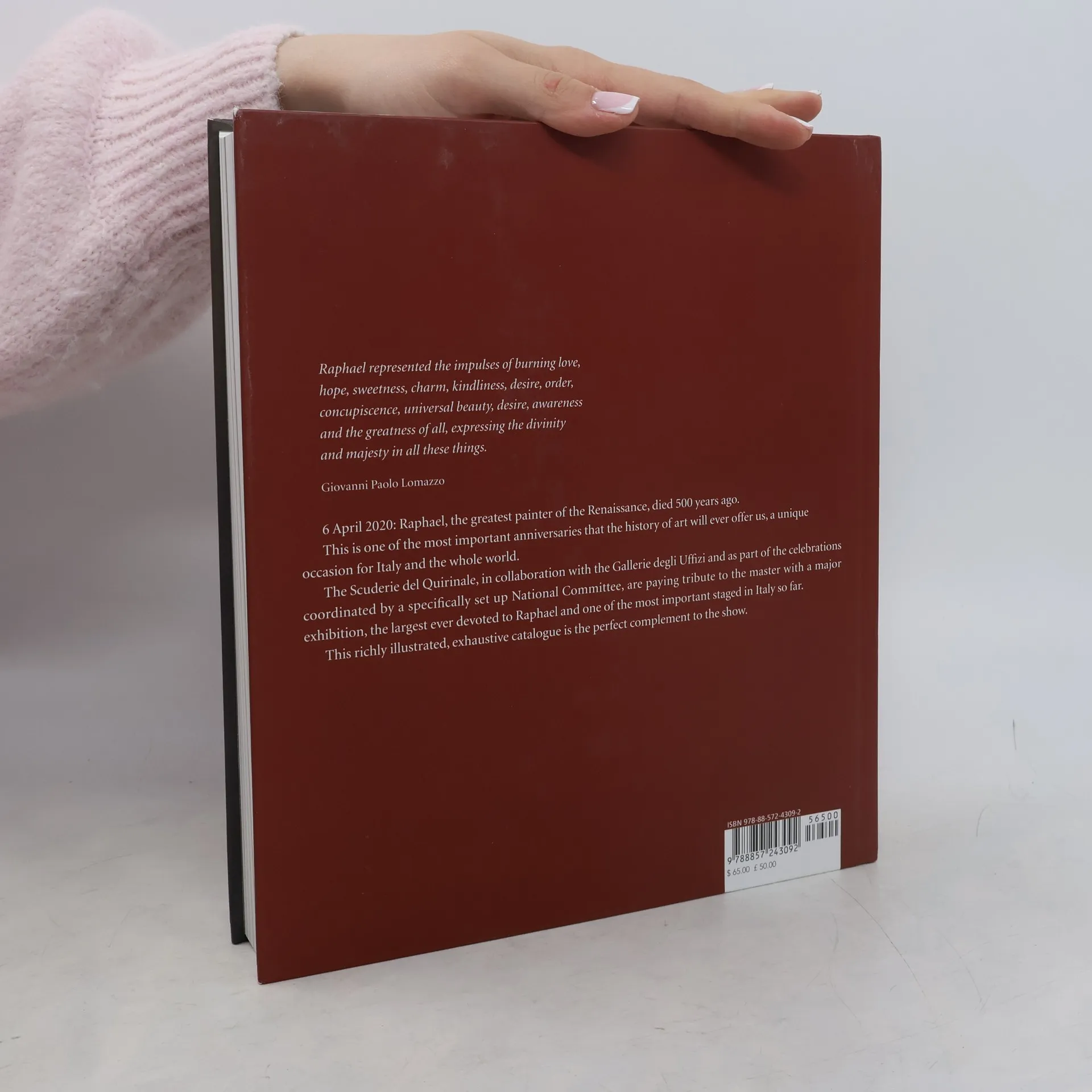
- 9788857243092
- Serie
- Descrizione
- A tribute to the master of Urbino on the 500th anniversary of his death, this significant exhibition in 2020 showcases the painter's legacy. Published in collaboration with major museums, the monograph offers a unique retrospective journey through Raphael's life, exploring his connection to the ancient world and Rome, guiding readers from his death in 1520 back to his formative years in Urbino, Città di Castello, Perugia, and Siena. The publication features contributions from an esteemed scientific committee, with each member curating a section of the catalogue, introducing their essays alongside detailed entries of the works. Raphael (1483-1520) is celebrated as the quintessential High Renaissance painter, and despite his early death at 37, his influence as a classicism paragon shaped European painting until the mid-19th century. Born in Urbino to court painter Giovanni Santi, Raphael likely began his training there, influenced by Mantegna, Paolo Uccello, and Piero della Francesca. His early works were also shaped by Perugino. From 1500 to 1508, he worked across central Italy, gaining recognition as a portraitist and Madonna painter. In 1508, at 25, he was summoned to Pope Julius II's court for the papal apartments' redecoration, evolving into a master portraitist and history painter, eventually becoming the architect in charge of St. Peter's after Bramante's death in 1514.