

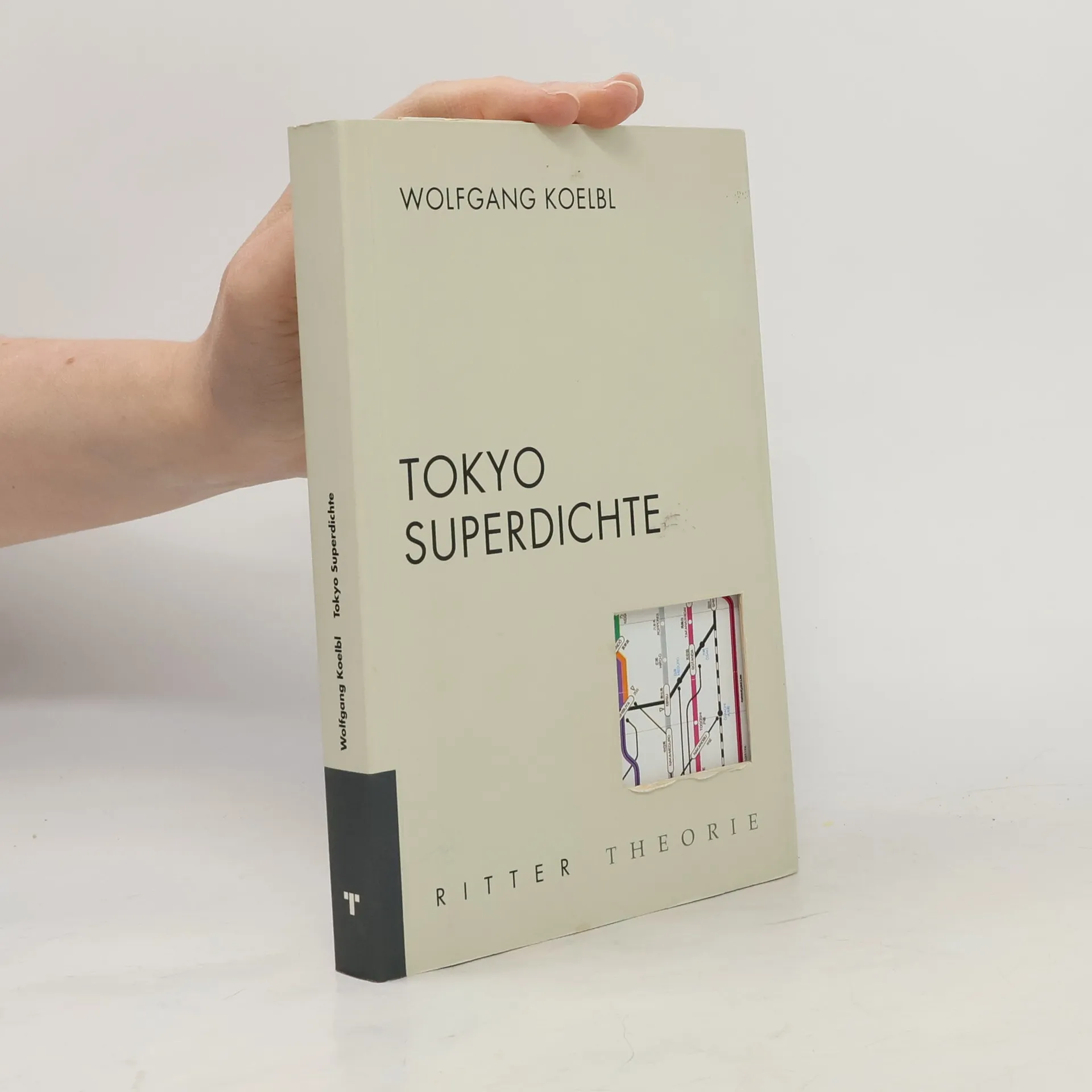
Tokyo Superdichte
Autori
Parametri
- 243pagine
- 9 ore di lettura
Maggiori informazioni sul libro
In Tokyo, the central station Shinjuku handles over 3.4 million commuters daily, creating a collision of extreme movement and urban structure. This chaos disrupts conventional concepts of urban and architectural space, including orientation, perception, and the distinctions between inside and outside, as well as real and unreal. The analysis of this exceptional situation reveals a functional model of super-dense structures. However, a surprising second layer emerges: what initially appears as an extreme urban variant gradually reveals itself as a non-city. The conclusion is that super-density can only thrive by shedding all conventional urban characteristics, transforming into a pure state of intensity akin to art, music, and media. The city essentially discards its own identity. Through the lens of intense commuter traffic at Tokyo's central subway station, the author examines the failure of established urban and architectural frameworks, proposing theoretical anarchy as a foundational principle and maximum density as a guiding program.
Acquisto del libro
Tokyo Superdichte, Wolfgang Koelbl
- Lingua

- Pubblicato
- 2000
- Rilegatura
- (In brossura)
Metodi di pagamento
Ancora nessuna valutazione.
- Titolo
- Tokyo Superdichte
- Lingua
- Tedesco
- Autori
- Wolfgang Koelbl
- Editore
- Ritter
- Pubblicato
- 2000
- Formato
- In brossura
- Pagine
- 243
- ISBN10
- 3854152817
- ISBN13
- 9783854152811
- Serie
- Descrizione
- In Tokyo, the central station Shinjuku handles over 3.4 million commuters daily, creating a collision of extreme movement and urban structure. This chaos disrupts conventional concepts of urban and architectural space, including orientation, perception, and the distinctions between inside and outside, as well as real and unreal. The analysis of this exceptional situation reveals a functional model of super-dense structures. However, a surprising second layer emerges: what initially appears as an extreme urban variant gradually reveals itself as a non-city. The conclusion is that super-density can only thrive by shedding all conventional urban characteristics, transforming into a pure state of intensity akin to art, music, and media. The city essentially discards its own identity. Through the lens of intense commuter traffic at Tokyo's central subway station, the author examines the failure of established urban and architectural frameworks, proposing theoretical anarchy as a foundational principle and maximum density as a guiding program.