

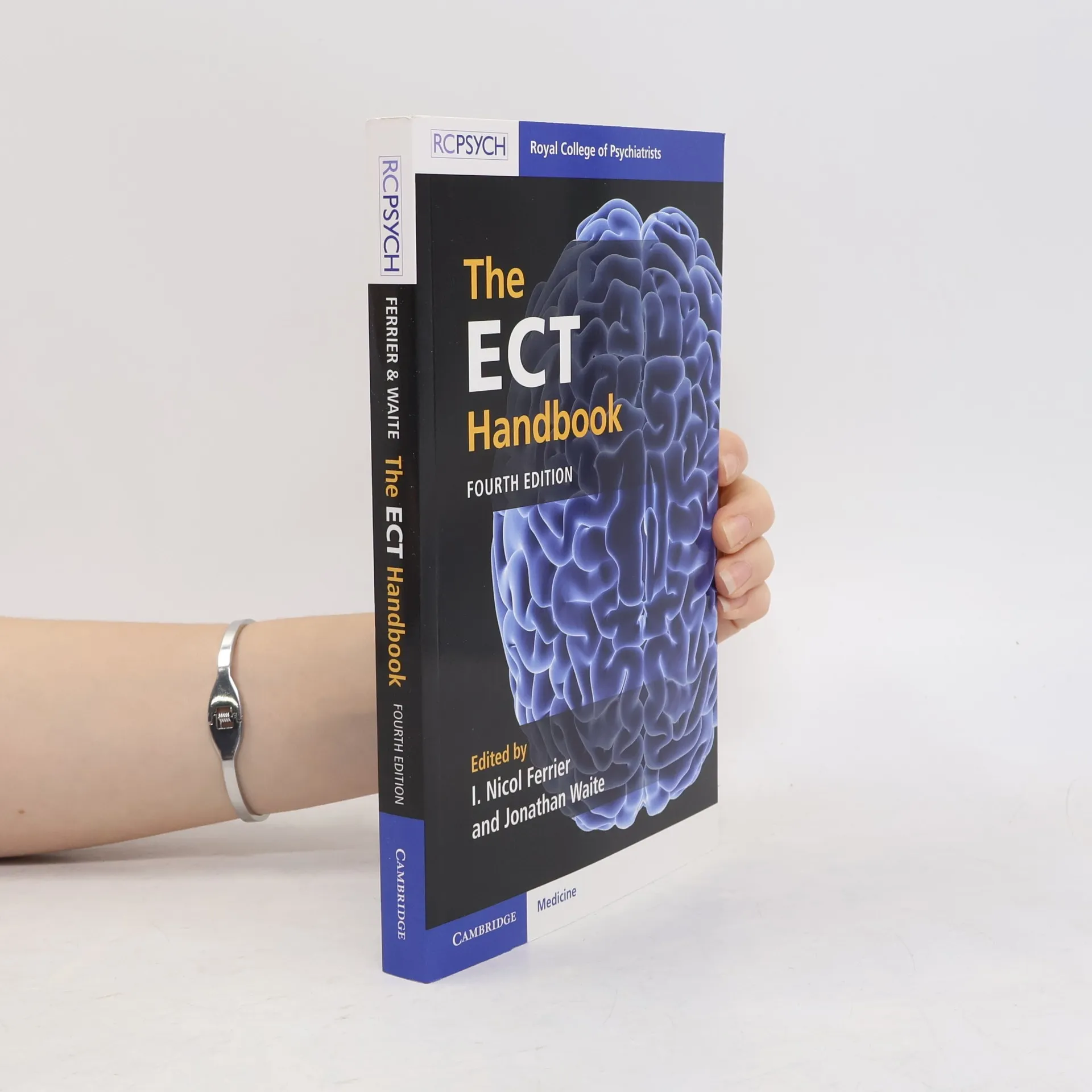
The ECT Handbook
Fourth Edition
Maggiori informazioni sul libro
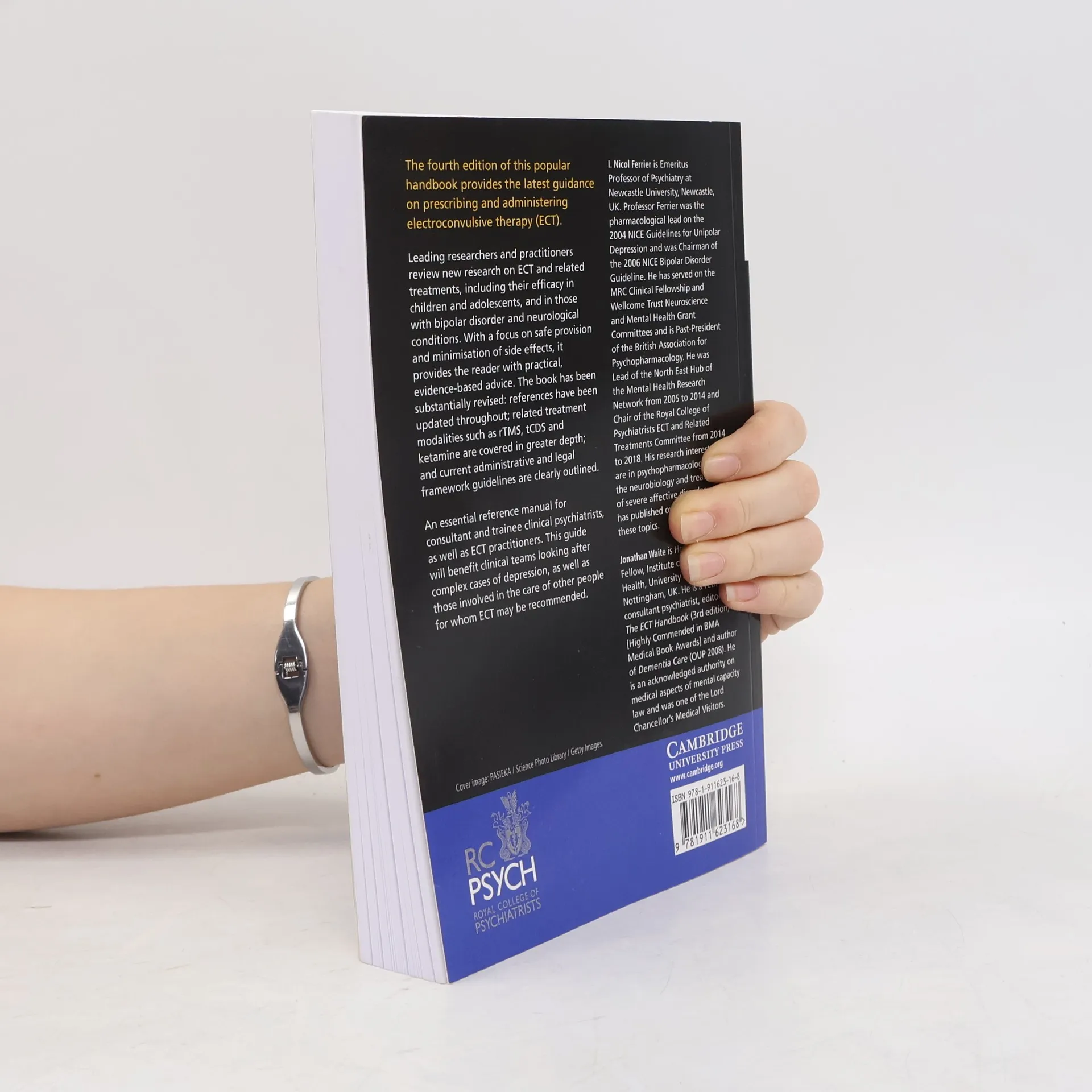
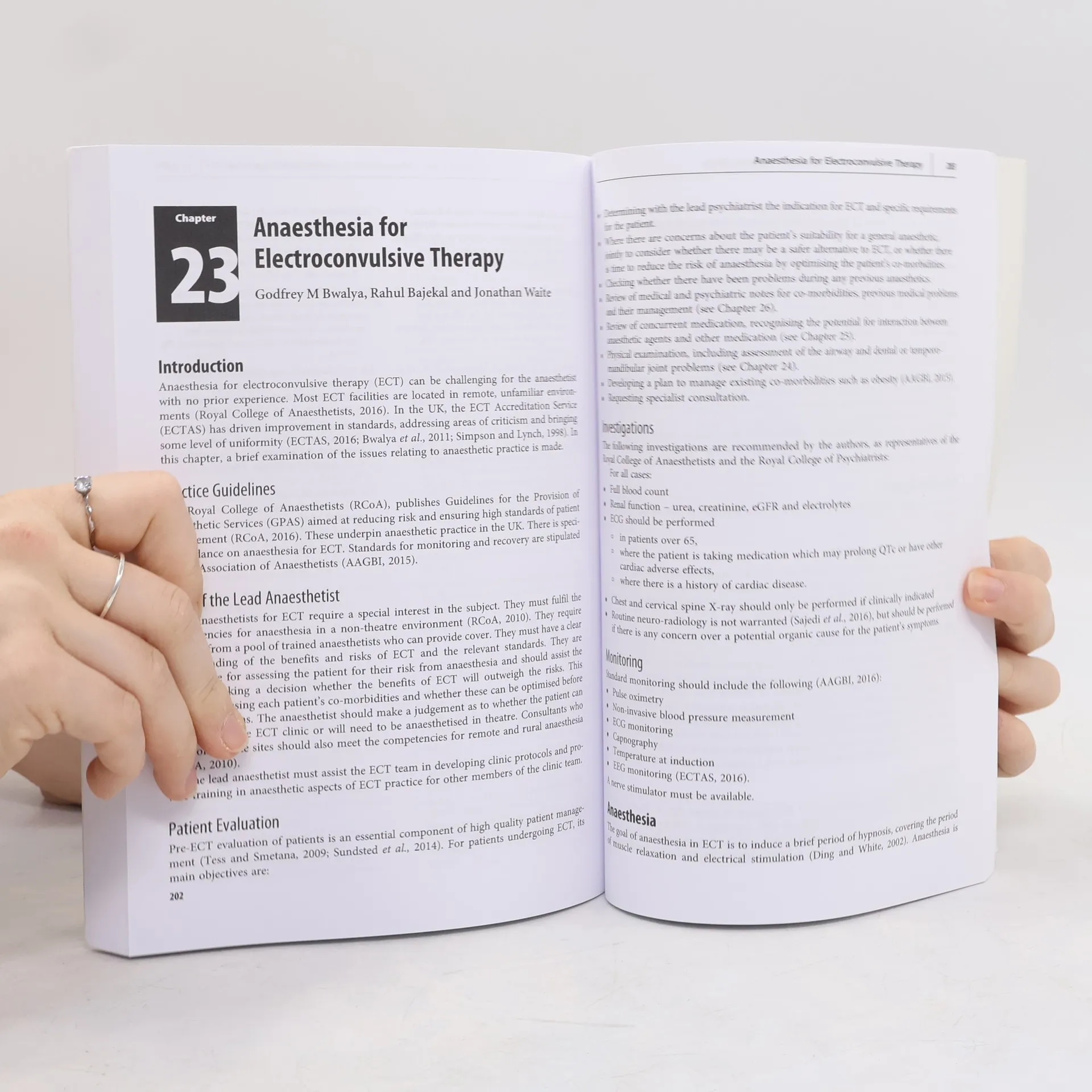
This new edition of the Handbook arrives six years after the previous one. While there have been no major changes in electroconvulsive therapy (ECT) practice, ongoing research has yielded valuable evidence on its optimal use for mental disorders. The Handbook features new chapters on ECT for bipolar depression, ECT during pregnancy and postnatally, ECT in children and adolescents, and the use of ketamine for treatment-resistant depression. Many chapters have been completely rewritten by new authors, and all have been significantly revised to incorporate new evidence published up to the end of 2018. Ongoing discussions regarding whether unilateral or bilateral ECT should be the initial technique for treating depression are addressed in Chapter 3. Additional important research on ECT for bipolar depression and resistant schizophrenia is covered in Chapters 5 and 10. Although a major revision of guidance on managing depression from the National Institute of Health and Care Excellence (NICE) was anticipated in 2018, its publication has been delayed. Furthermore, significant changes in mental health law in Northern Ireland may have implications for other jurisdictions, although these changes had not taken effect by the time of the Handbook's publication.
Acquisto del libro
The ECT Handbook, Jonathan Waite, I. Nicol Ferrier
- Lingua

- Pubblicato
- 2019
- Rilegatura
- (In brossura)
Metodi di pagamento
Ancora nessuna valutazione.
- Titolo
- The ECT Handbook
- Sottotitolo
- Fourth Edition
- Lingua
- Inglese
- Autori
- Jonathan Waite, I. Nicol Ferrier
- Editore
- RCPsych Publications
- Pubblicato
- 2019
- Formato
- In brossura
- Pagine
- 288
- ISBN10
- 1911623168
- ISBN13
- 9781911623168
- Serie
- Categoria
- Descrizione
- This new edition of the Handbook arrives six years after the previous one. While there have been no major changes in electroconvulsive therapy (ECT) practice, ongoing research has yielded valuable evidence on its optimal use for mental disorders. The Handbook features new chapters on ECT for bipolar depression, ECT during pregnancy and postnatally, ECT in children and adolescents, and the use of ketamine for treatment-resistant depression. Many chapters have been completely rewritten by new authors, and all have been significantly revised to incorporate new evidence published up to the end of 2018. Ongoing discussions regarding whether unilateral or bilateral ECT should be the initial technique for treating depression are addressed in Chapter 3. Additional important research on ECT for bipolar depression and resistant schizophrenia is covered in Chapters 5 and 10. Although a major revision of guidance on managing depression from the National Institute of Health and Care Excellence (NICE) was anticipated in 2018, its publication has been delayed. Furthermore, significant changes in mental health law in Northern Ireland may have implications for other jurisdictions, although these changes had not taken effect by the time of the Handbook's publication.