

Maggiori informazioni sul libro
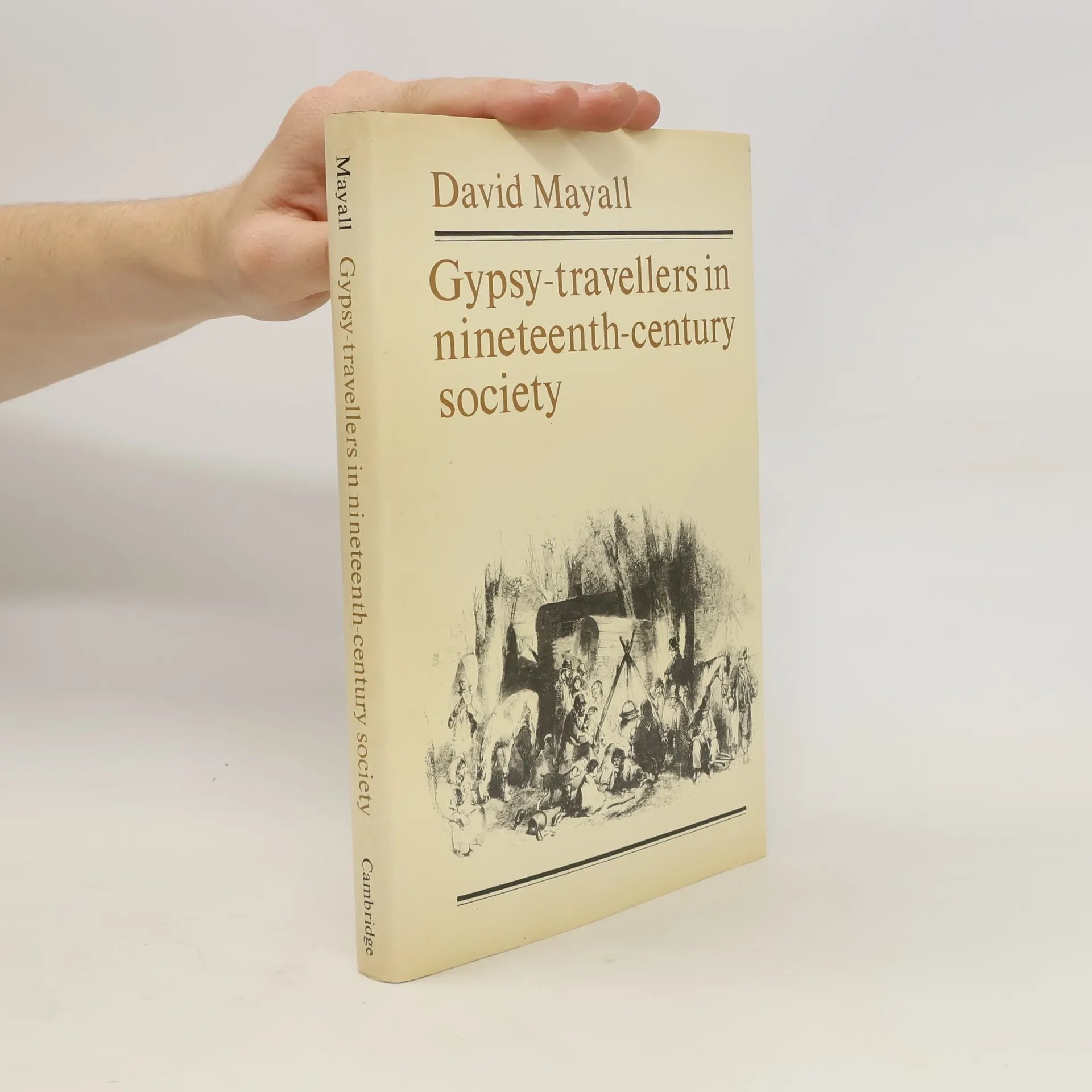
The Gypsy is traditionally portrayed as a black-eyed, tousle-haired savage from a distant land who makes a living by deceit and parasitism on the host society. This book critically examines the nature and source of such stereotypes, locating the image of the wild but often romantic Romany in various works of fiction and the writings of lorists and gypsiologists, fascinated by the need to classify, categorize and describe. The author reveals the inadequacies of the racial construct, and replaces it with a definition that allows for the coming together and coexistence of indigenous itinerants and the original, foreign immigrants. A picture emerges of a distinctive group living on the fringes of industrialized society and economy, but necessarily involved in a close economic relationship with the settled community.
Acquisto del libro
Gypsy-Travellers in Nineteenth-Century Society, David Mayall
- Lingua

- Pubblicato
- 1988
- Rilegatura
- (Copertina rigida)
Metodi di pagamento
Ancora nessuna valutazione.
- Titolo
- Gypsy-Travellers in Nineteenth-Century Society
- Lingua
- Inglese
- Autori
- David Mayall
- Editore
- Cambridge University Press
- Pubblicato
- 1988
- Formato
- Copertina rigida
- Pagine
- 272
- ISBN10
- 0521323975
- ISBN13
- 9780521323970
- Serie
- Descrizione
- The Gypsy is traditionally portrayed as a black-eyed, tousle-haired savage from a distant land who makes a living by deceit and parasitism on the host society. This book critically examines the nature and source of such stereotypes, locating the image of the wild but often romantic Romany in various works of fiction and the writings of lorists and gypsiologists, fascinated by the need to classify, categorize and describe. The author reveals the inadequacies of the racial construct, and replaces it with a definition that allows for the coming together and coexistence of indigenous itinerants and the original, foreign immigrants. A picture emerges of a distinctive group living on the fringes of industrialized society and economy, but necessarily involved in a close economic relationship with the settled community.