

Maggiori informazioni sul libro
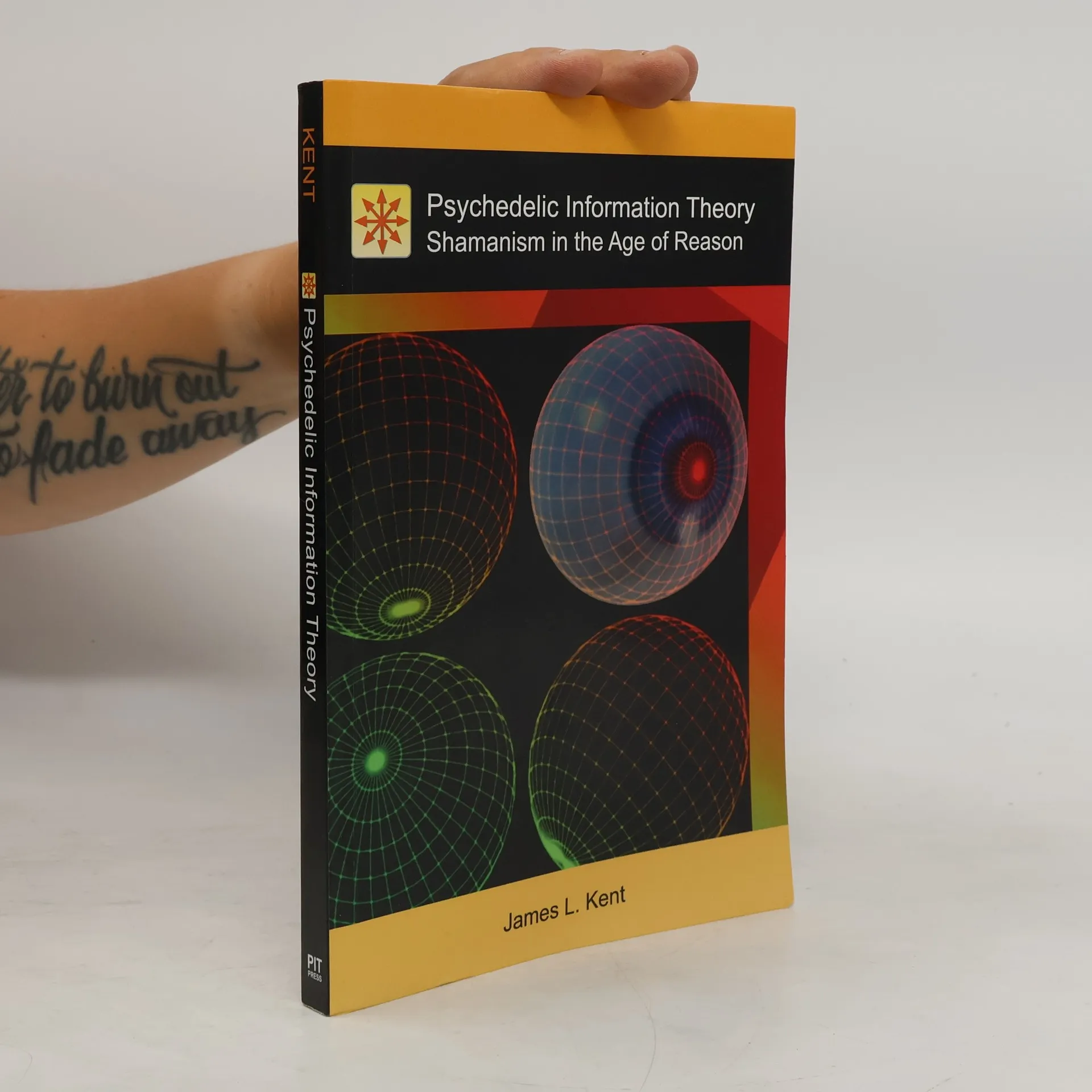
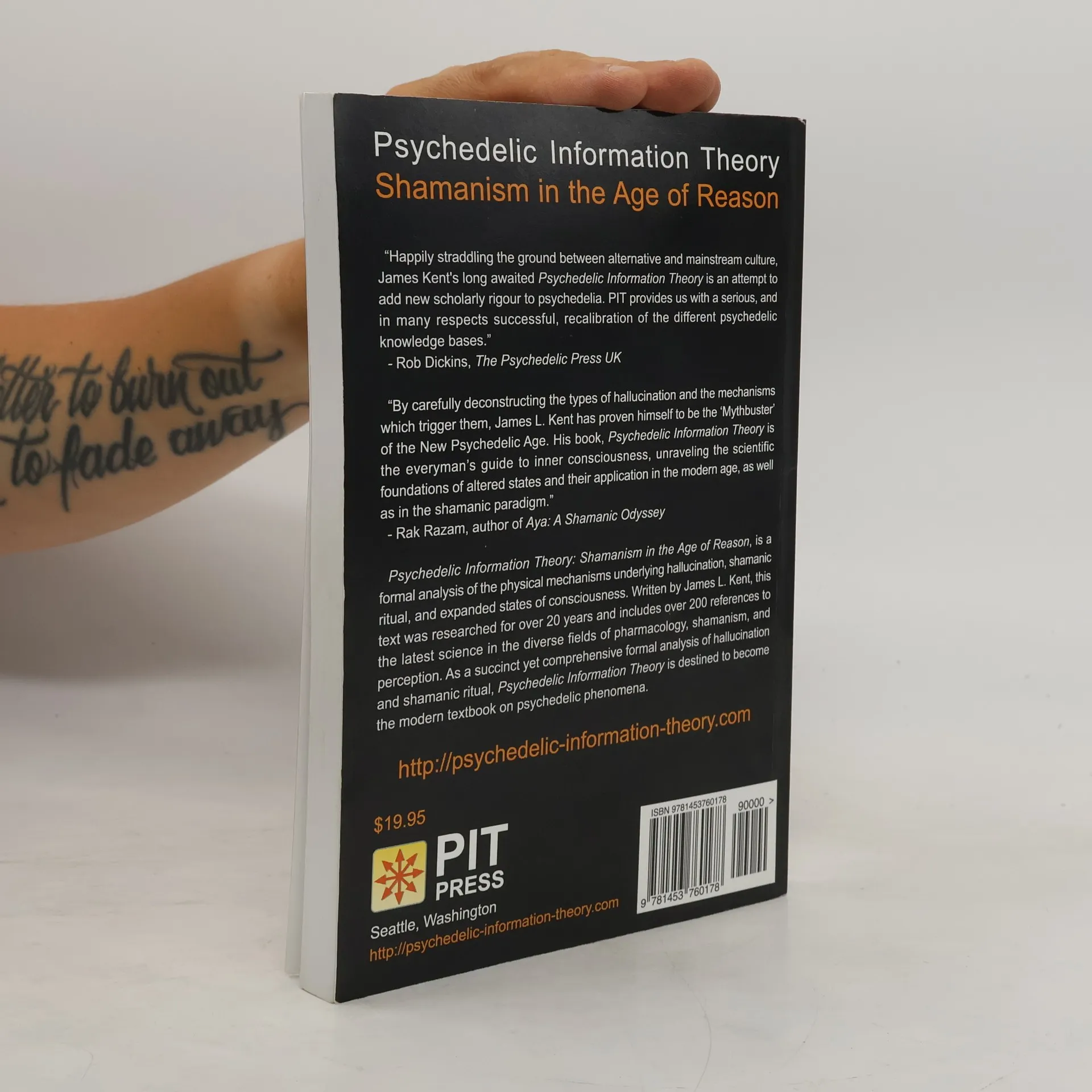
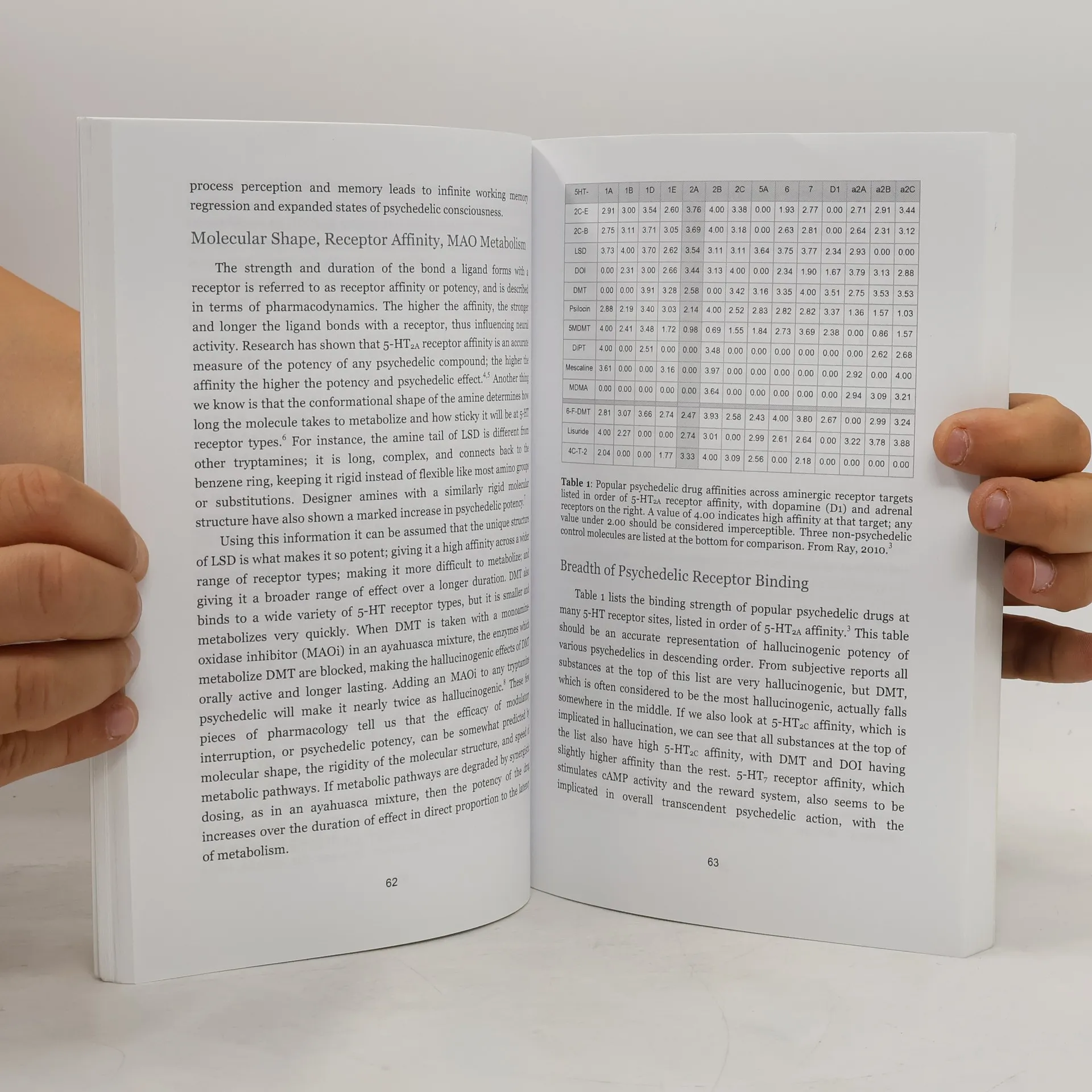
Psychedelic Information Theory offers a formal analysis of the mechanisms behind hallucination, shamanic rituals, and expanded states of consciousness. Researched over 20 years, it includes over 200 references and 31 images, integrating insights from pharmacology, shamanism, and perception. This comprehensive analysis of the nonlinear dynamics of these phenomena is poised to serve as a modern textbook on psychedelics. Key topics include the physiology of perception, types of visual hallucination, psychedelic pharmacology, neuroplasticity, chaos theory, shamanic therapy, and group mind phenomena. The work is anticipated to be significant for researchers in both the sciences and humanities, opening new avenues for investigation and providing a recalibration of psychedelic knowledge bases. It is expected to elicit both praise and criticism, fostering further serious research in the field. Kent employs the language of classical wave mechanics to describe consciousness and psychedelic experiences, suggesting a refined theory and terminology for psychedelic action. His approach presents opportunities for innovative research and applications. Readers have noted the clarity of Kent's research, which elucidates how visual processing and brain functions contribute to hallucinatory states. His work is recommended for psychonauts, scientists, and psychologists alike, establishing him as a pivotal figure in the exploration of altered sta
Acquisto del libro
Psychedelic Information Theory, James L. Kent
- Lingua

- Pubblicato
- 2010
- Rilegatura
- (In brossura)
Metodi di pagamento
Ancora nessuna valutazione.
- Titolo
- Psychedelic Information Theory
- Sottotitolo
- Shamanism in the Age of Reason
- Lingua
- Inglese
- Autori
- James L. Kent
- Pubblicato
- 2010
- Formato
- In brossura
- Pagine
- 204
- ISBN10
- 1453760172
- ISBN13
- 9781453760178
- Serie
- Descrizione
- Psychedelic Information Theory offers a formal analysis of the mechanisms behind hallucination, shamanic rituals, and expanded states of consciousness. Researched over 20 years, it includes over 200 references and 31 images, integrating insights from pharmacology, shamanism, and perception. This comprehensive analysis of the nonlinear dynamics of these phenomena is poised to serve as a modern textbook on psychedelics. Key topics include the physiology of perception, types of visual hallucination, psychedelic pharmacology, neuroplasticity, chaos theory, shamanic therapy, and group mind phenomena. The work is anticipated to be significant for researchers in both the sciences and humanities, opening new avenues for investigation and providing a recalibration of psychedelic knowledge bases. It is expected to elicit both praise and criticism, fostering further serious research in the field. Kent employs the language of classical wave mechanics to describe consciousness and psychedelic experiences, suggesting a refined theory and terminology for psychedelic action. His approach presents opportunities for innovative research and applications. Readers have noted the clarity of Kent's research, which elucidates how visual processing and brain functions contribute to hallucinatory states. His work is recommended for psychonauts, scientists, and psychologists alike, establishing him as a pivotal figure in the exploration of altered sta