

Maggiori informazioni sul libro
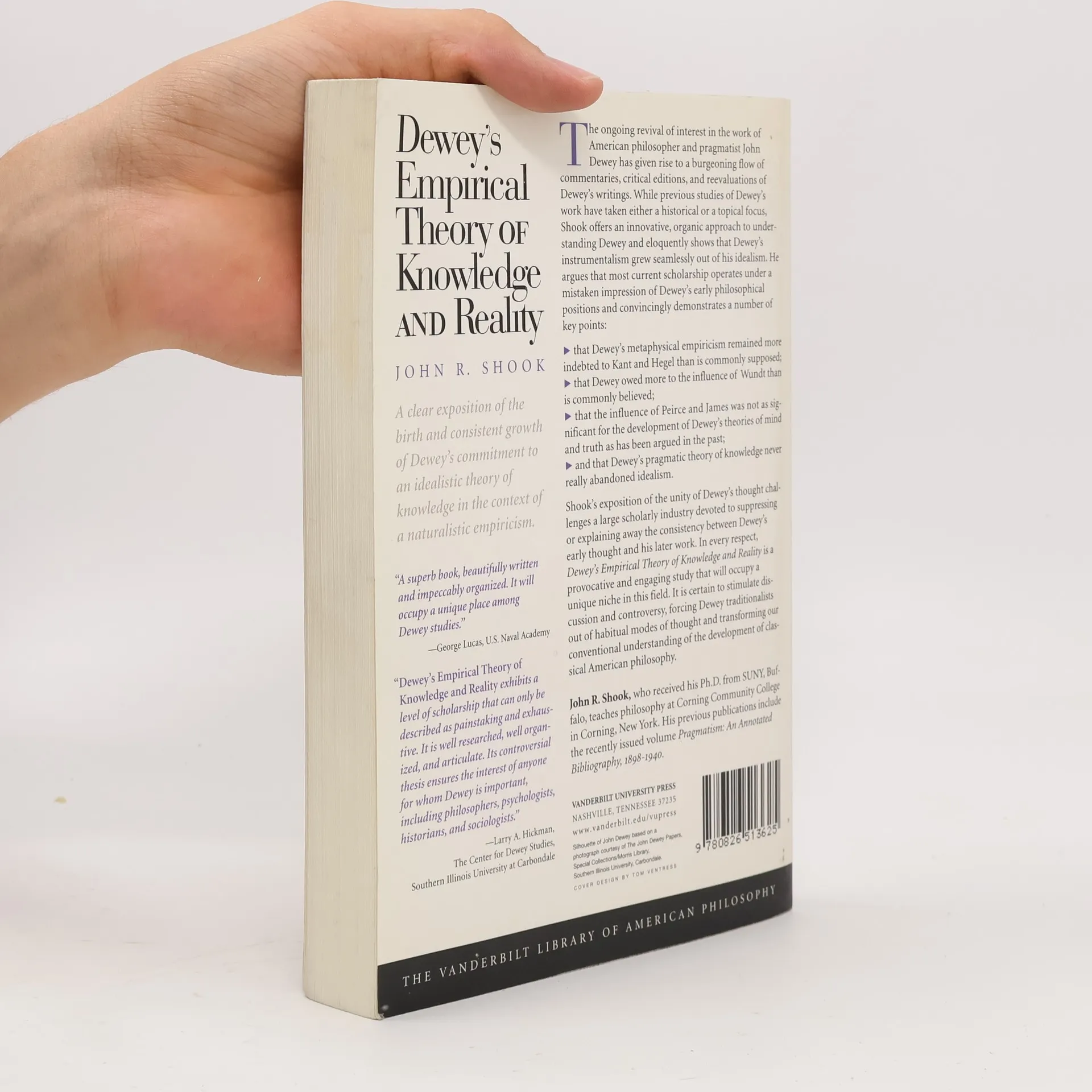
The revival of interest in American philosopher John Dewey has led to an influx of commentaries and reevaluations of his work. While past studies have focused on historical or topical aspects, Shook presents an innovative, organic approach to understanding Dewey, illustrating how his instrumentalism evolved from his idealism. He argues that much current scholarship misinterprets Dewey's early philosophical positions and makes several key points: Dewey's metaphysical empiricism is more influenced by Kant and Hegel than commonly acknowledged; his connection to Wundt is stronger than believed; the impact of Peirce and James on his theories of mind and truth is overstated; and his pragmatic theory of knowledge did not fully abandon idealism. Shook's exploration of the unity in Dewey's thought challenges a substantial body of scholarship that seeks to downplay the consistency between his early and later ideas. This study is both provocative and engaging, poised to carve out a unique place in the field. It promises to stimulate discussion and controversy, pushing Dewey traditionalists to reconsider their perspectives and reshaping our understanding of the evolution of classical American philosophy.
Acquisto del libro
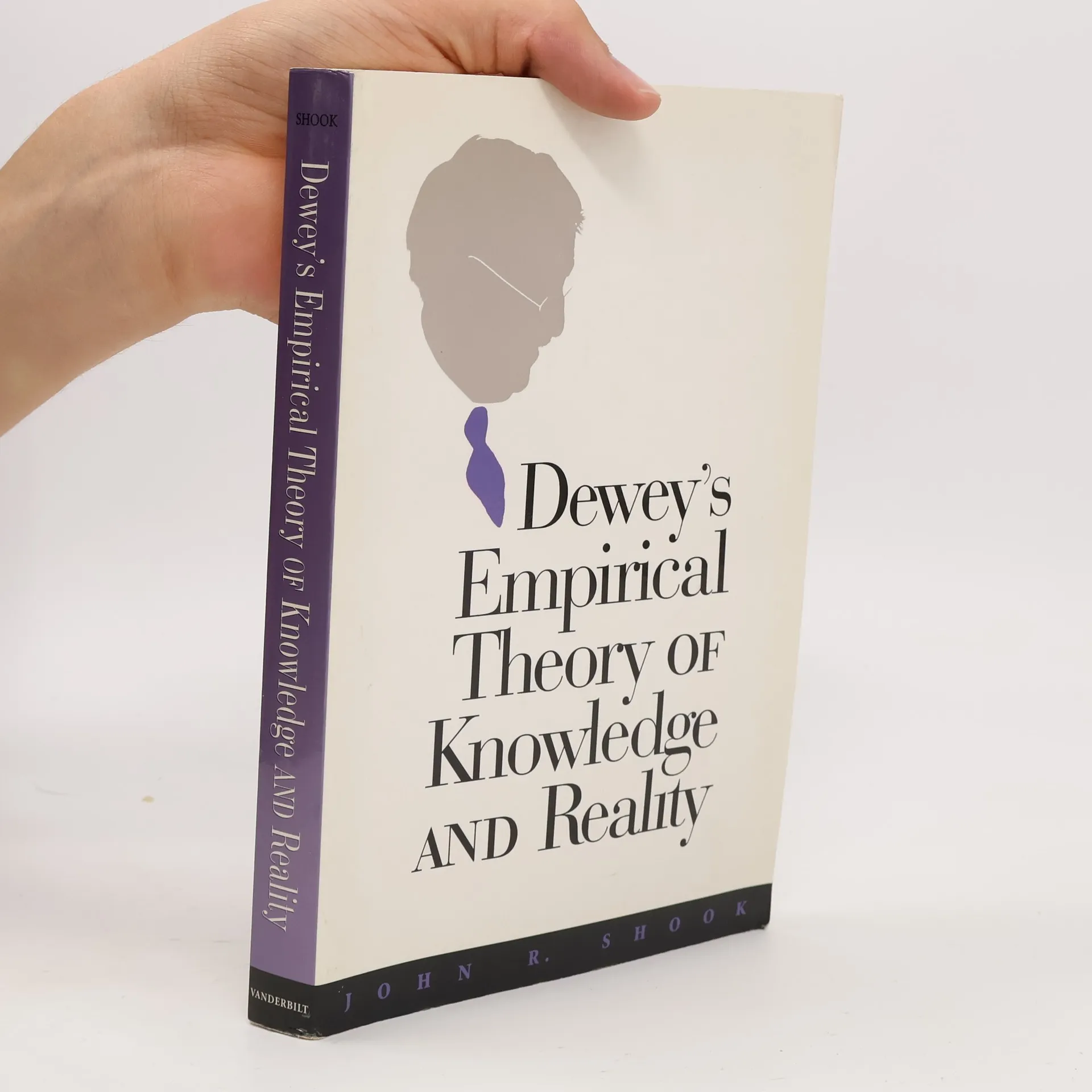
Dewey's Empirical Theory of Knowledge and Reality, John R. Shook
- Lingua

- Pubblicato
- 2000
- Rilegatura
- (In brossura)
Metodi di pagamento
Ancora nessuna valutazione.
- Titolo
- Dewey's Empirical Theory of Knowledge and Reality
- Lingua
- Inglese
- Autori
- John R. Shook
- Editore
- Vanderbilt University Press
- Pubblicato
- 2000
- Formato
- In brossura
- Pagine
- 352
- ISBN10
- 082651362X
- ISBN13
- 9780826513625
- Serie
- Categoria
- Descrizione
- The revival of interest in American philosopher John Dewey has led to an influx of commentaries and reevaluations of his work. While past studies have focused on historical or topical aspects, Shook presents an innovative, organic approach to understanding Dewey, illustrating how his instrumentalism evolved from his idealism. He argues that much current scholarship misinterprets Dewey's early philosophical positions and makes several key points: Dewey's metaphysical empiricism is more influenced by Kant and Hegel than commonly acknowledged; his connection to Wundt is stronger than believed; the impact of Peirce and James on his theories of mind and truth is overstated; and his pragmatic theory of knowledge did not fully abandon idealism. Shook's exploration of the unity in Dewey's thought challenges a substantial body of scholarship that seeks to downplay the consistency between his early and later ideas. This study is both provocative and engaging, poised to carve out a unique place in the field. It promises to stimulate discussion and controversy, pushing Dewey traditionalists to reconsider their perspectives and reshaping our understanding of the evolution of classical American philosophy.