

Maggiori informazioni sul libro
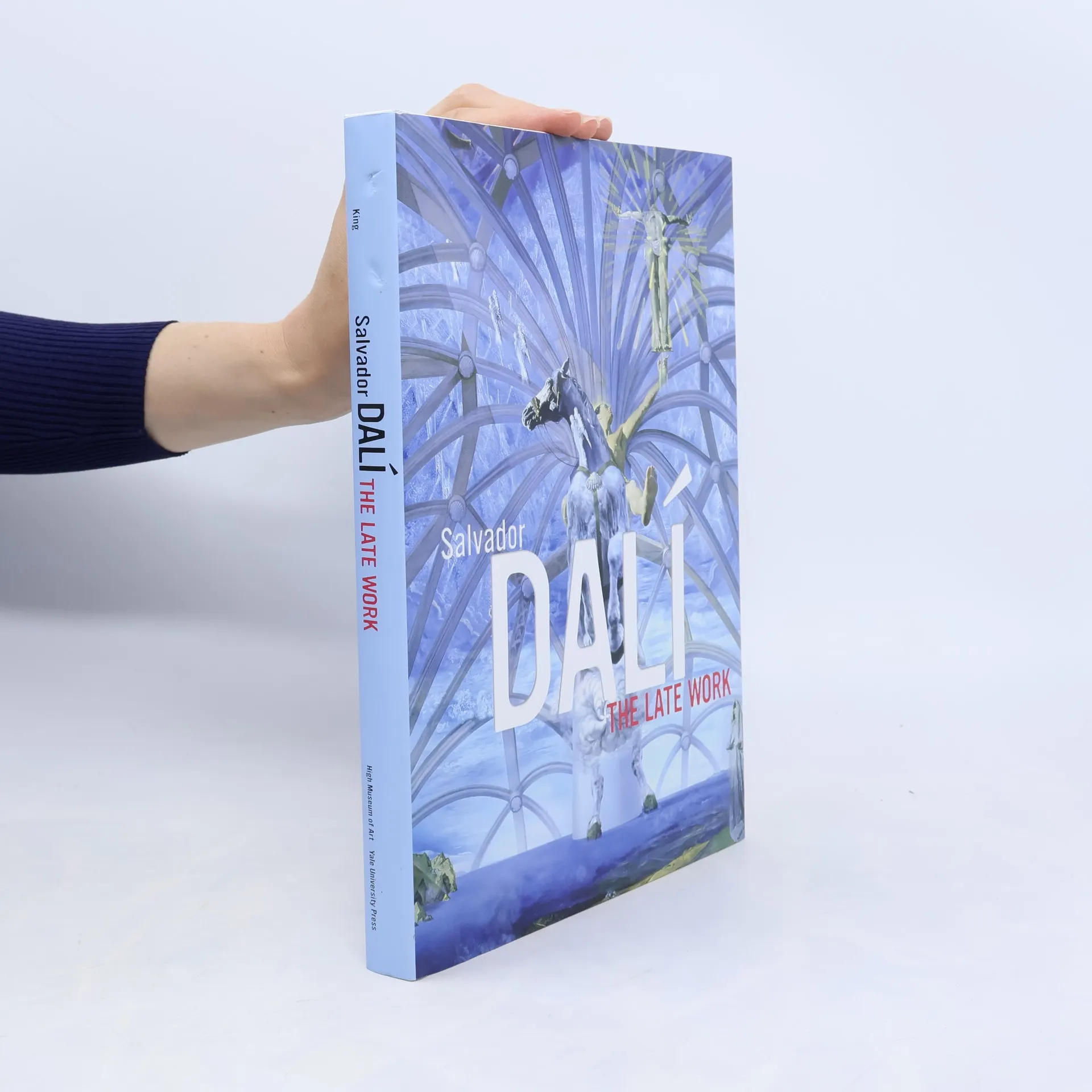
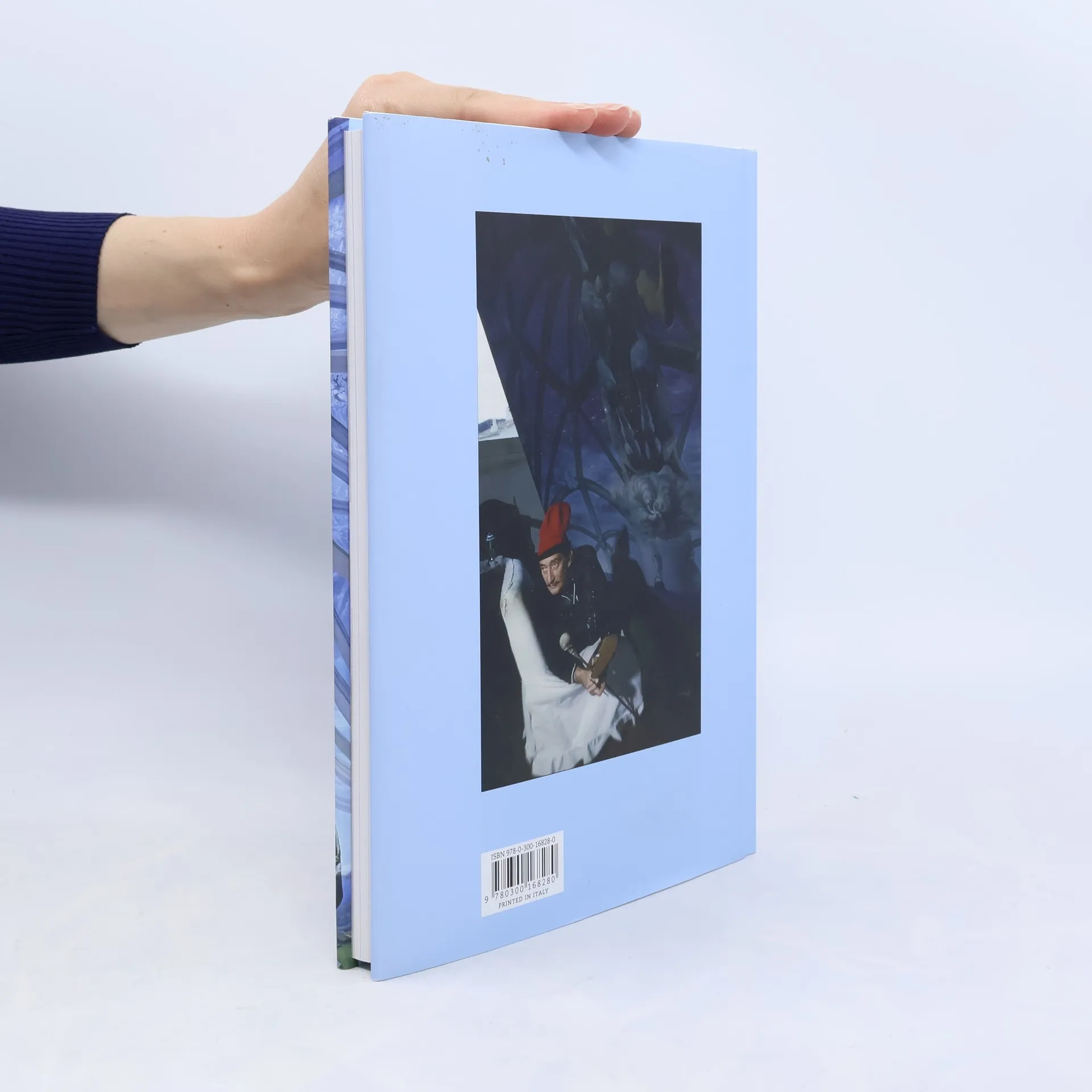
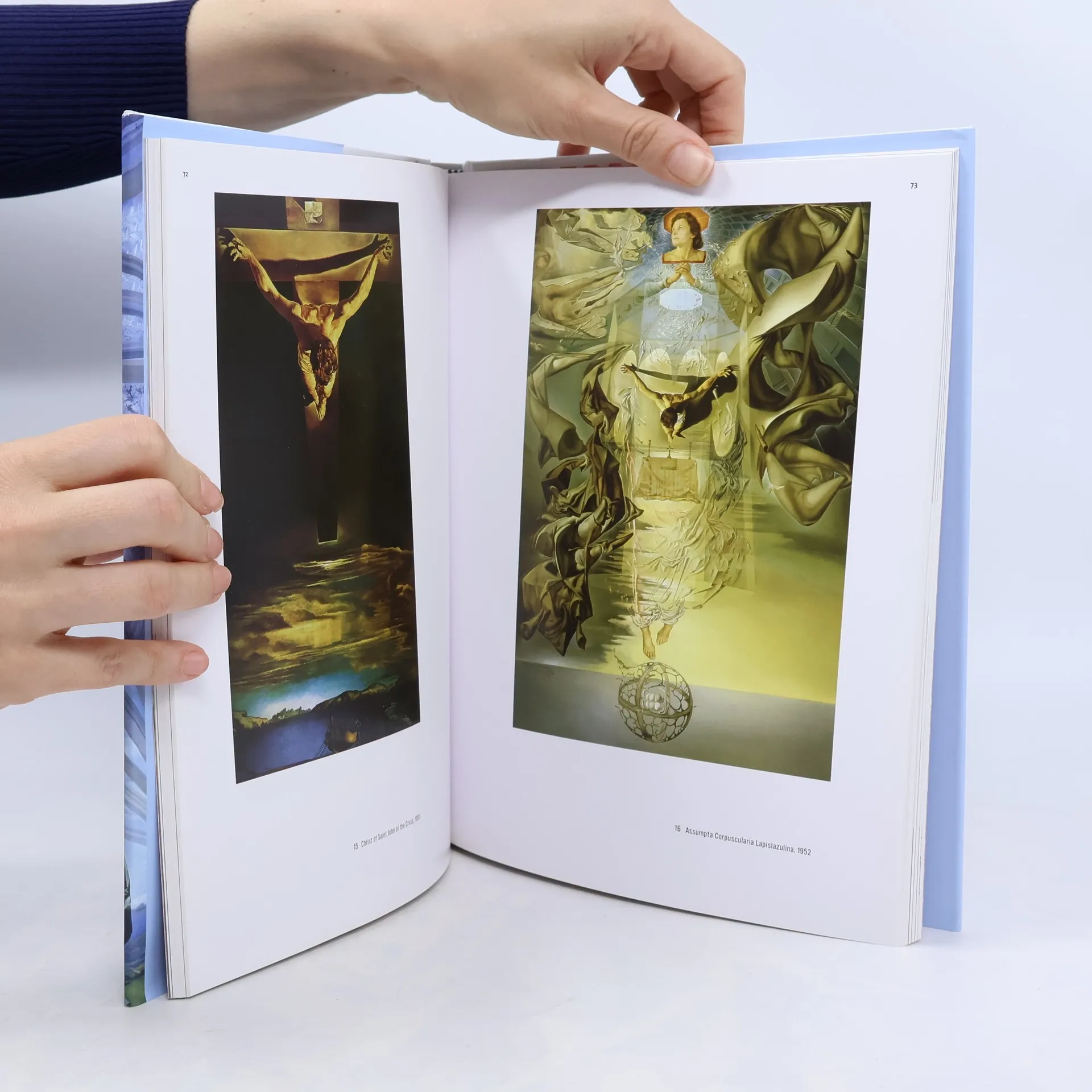
Salvador Dalí (1904–1989) was a renowned and controversial 20th-century artist. Over his prolific sixty-year career, he created 1,200 oil paintings, numerous drawings, sculptures, and writings. Critics generally agree that his work peaked in the early 1930s during his time with the Surrealist movement. However, much of his output after 1940 is often viewed as repetitive and overly commercialized, largely due to his 1941 shift toward classicism, embrace of Catholicism, and support for General Franco, which distanced him from modernist ideals. This illustrated volume examines Dalí's post-1940 work, presenting it as a complex body of art influenced by both Old Masters and contemporary themes. It begins with his transition from Surrealism to classicism in the late 1930s and explores his ventures into illustration, fashion, and theatre, predating the commercial success of artists like Andy Warhol. Essays delve into Dalí’s “nuclear mysticism” of the 1950s, his fascination with science and optical effects, and his collaborations with photographer Philippe Halsman, as well as his brief engagements in Hollywood with figures like Alfred Hitchcock and Walt Disney. The volume also highlights the Dalí Theatre-Museum in Figueres and the Salvador Dalí Museum in St. Petersburg as key repositories of his work.
Acquisto del libro
High Museum of Art Series: Salvador Dali, Dr. William Jeffett, Hank Hine, Elliott H. King, Montse Aguer Teixidor
- Lingua

- Pubblicato
- 2010
- Rilegatura
- (Copertina rigida)
Metodi di pagamento
Ancora nessuna valutazione.
- Titolo
- High Museum of Art Series: Salvador Dali
- Sottotitolo
- The Late Work
- Lingua
- Inglese
- Editore
- Yale University Press
- Pubblicato
- 2010
- Formato
- Copertina rigida
- Pagine
- 176
- ISBN10
- 0300168284
- ISBN13
- 9780300168280
- Serie
- Descrizione
- Salvador Dalí (1904–1989) was a renowned and controversial 20th-century artist. Over his prolific sixty-year career, he created 1,200 oil paintings, numerous drawings, sculptures, and writings. Critics generally agree that his work peaked in the early 1930s during his time with the Surrealist movement. However, much of his output after 1940 is often viewed as repetitive and overly commercialized, largely due to his 1941 shift toward classicism, embrace of Catholicism, and support for General Franco, which distanced him from modernist ideals. This illustrated volume examines Dalí's post-1940 work, presenting it as a complex body of art influenced by both Old Masters and contemporary themes. It begins with his transition from Surrealism to classicism in the late 1930s and explores his ventures into illustration, fashion, and theatre, predating the commercial success of artists like Andy Warhol. Essays delve into Dalí’s “nuclear mysticism” of the 1950s, his fascination with science and optical effects, and his collaborations with photographer Philippe Halsman, as well as his brief engagements in Hollywood with figures like Alfred Hitchcock and Walt Disney. The volume also highlights the Dalí Theatre-Museum in Figueres and the Salvador Dalí Museum in St. Petersburg as key repositories of his work.