


Maggiori informazioni sul libro
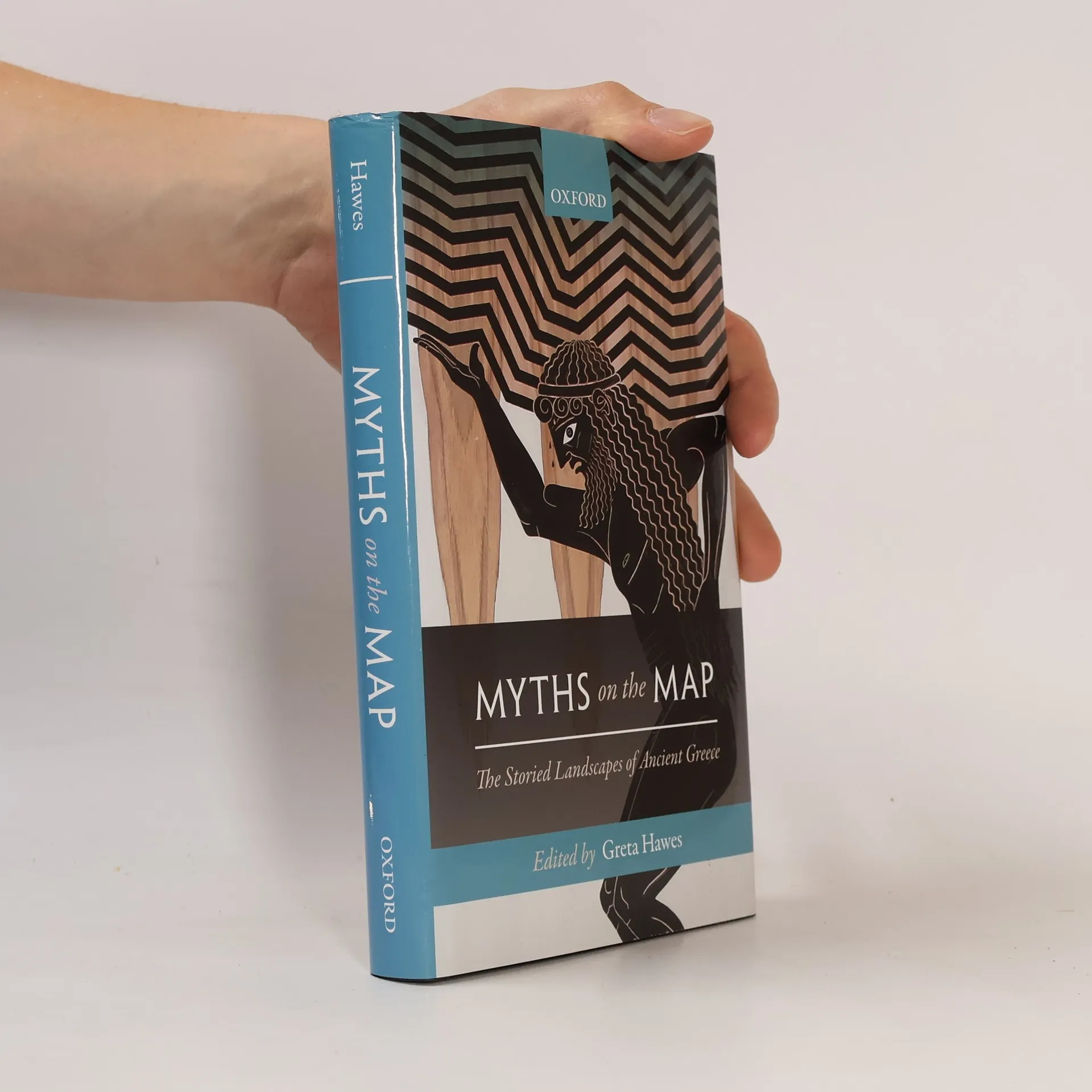
Polybius boldly declared that 'now that all places have become accessible by land or sea, it is no longer appropriate to use poets and writers of myth as witnesses of the unknown' (4.40.2). And yet, in reality, the significance of myth did not diminish as the borders of the known world expanded. Storytelling was always an inextricable part of how the ancient Greeks understood their environment; mythic maps existed alongside new, more concrete, methods of charting the contours of the earth. Specific landscape features acted as repositories of myth and spurred their retelling; myths, in turn, shaped and gave sense to natural and built environments, and were crucial to the conceptual resonances of places both unknown and known.This volume brings together contributions from leading scholars of Greek myth, literature, history, and archaeology to examine the myriad intricate ways in which ancient Greek myth interacted with the physical and conceptual landscapes of antiquity. The diverse range of approaches and topics highlights in particular the plurality and pervasiveness of such interactions. The collection as a whole sheds new light on the central importance of storytelling in Greek conceptions of space.
Acquisto del libro
Myths on the Map, Greta Hawes
- Lingua

- Pubblicato
- 2017
- Rilegatura
- (Copertina rigida)
Metodi di pagamento
Ancora nessuna valutazione.
- Titolo
- Myths on the Map
- Sottotitolo
- The Storied Landscapes of Ancient Greece
- Lingua
- Inglese
- Autori
- Greta Hawes
- Editore
- Oxford University Press
- Pubblicato
- 2017
- Formato
- Copertina rigida
- Pagine
- 352
- ISBN10
- 0198744773
- ISBN13
- 9780198744771
- Serie
- Categoria
- Descrizione
- Polybius boldly declared that 'now that all places have become accessible by land or sea, it is no longer appropriate to use poets and writers of myth as witnesses of the unknown' (4.40.2). And yet, in reality, the significance of myth did not diminish as the borders of the known world expanded. Storytelling was always an inextricable part of how the ancient Greeks understood their environment; mythic maps existed alongside new, more concrete, methods of charting the contours of the earth. Specific landscape features acted as repositories of myth and spurred their retelling; myths, in turn, shaped and gave sense to natural and built environments, and were crucial to the conceptual resonances of places both unknown and known.This volume brings together contributions from leading scholars of Greek myth, literature, history, and archaeology to examine the myriad intricate ways in which ancient Greek myth interacted with the physical and conceptual landscapes of antiquity. The diverse range of approaches and topics highlights in particular the plurality and pervasiveness of such interactions. The collection as a whole sheds new light on the central importance of storytelling in Greek conceptions of space.