



Maggiori informazioni sul libro
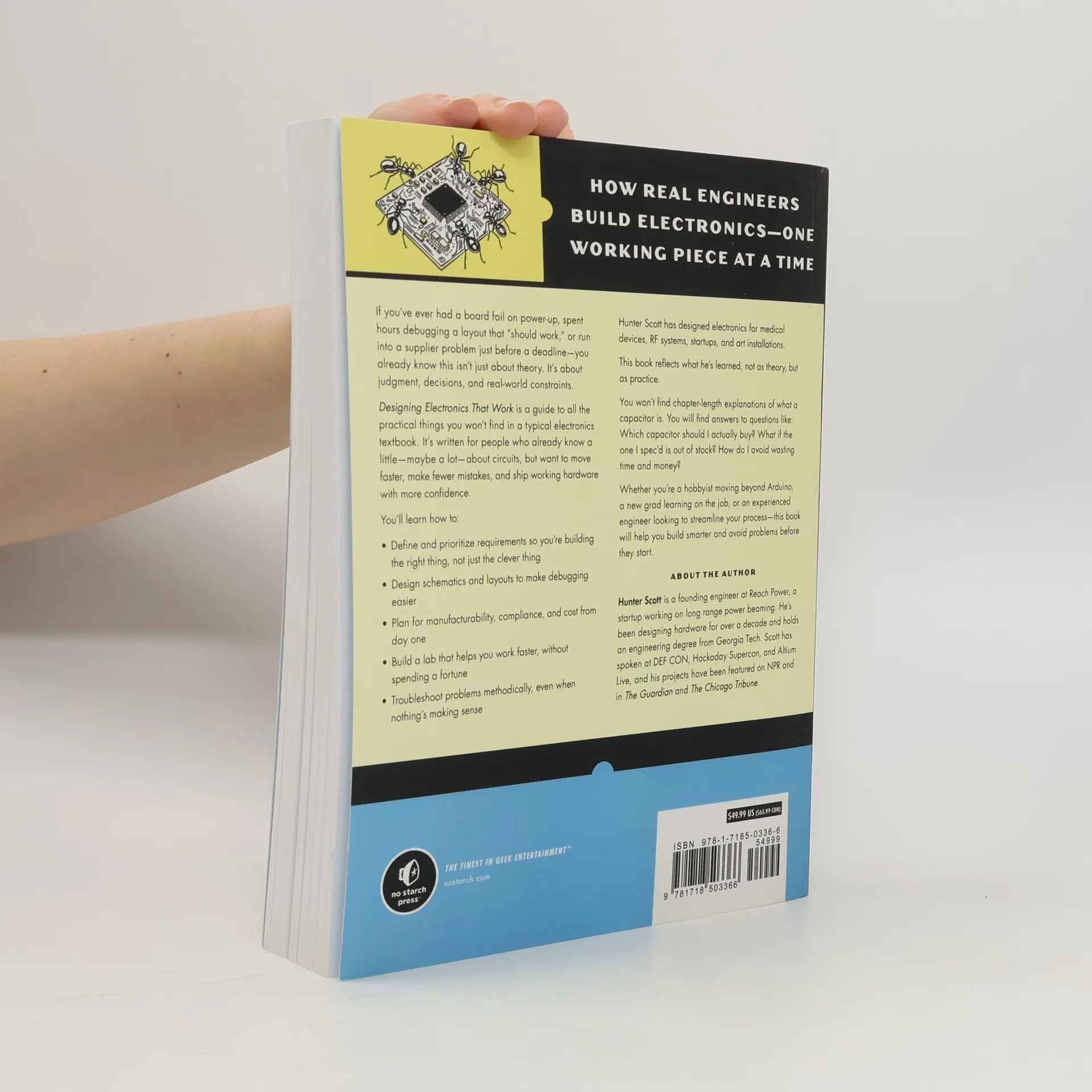
How real engineers build electronics—one working piece at a time. If you've faced board failures, spent hours debugging layouts, or encountered supplier issues before deadlines, you know this field is about judgment and real-world constraints. This guide focuses on practical insights often missing from traditional electronics textbooks. Aimed at those with some circuit knowledge, it helps you move faster, reduce mistakes, and deliver working hardware with confidence. You’ll learn to define and prioritize requirements to ensure you’re building the right product, design schematics and layouts for easier debugging, and plan for manufacturability and cost from the start. Additionally, it covers building a cost-effective lab that enhances productivity and troubleshooting methods for complex problems. Hunter Scott’s experience spans medical devices, RF systems, startups, and art installations, providing a practical perspective rather than theoretical explanations. You won’t find lengthy discussions on basic components, but you will discover answers to pressing questions like which capacitor to buy, how to handle stock issues, and ways to save time and money. This resource is valuable for hobbyists, new graduates, and seasoned engineers looking to improve their processes and avoid potential pitfalls.
Acquisto del libro
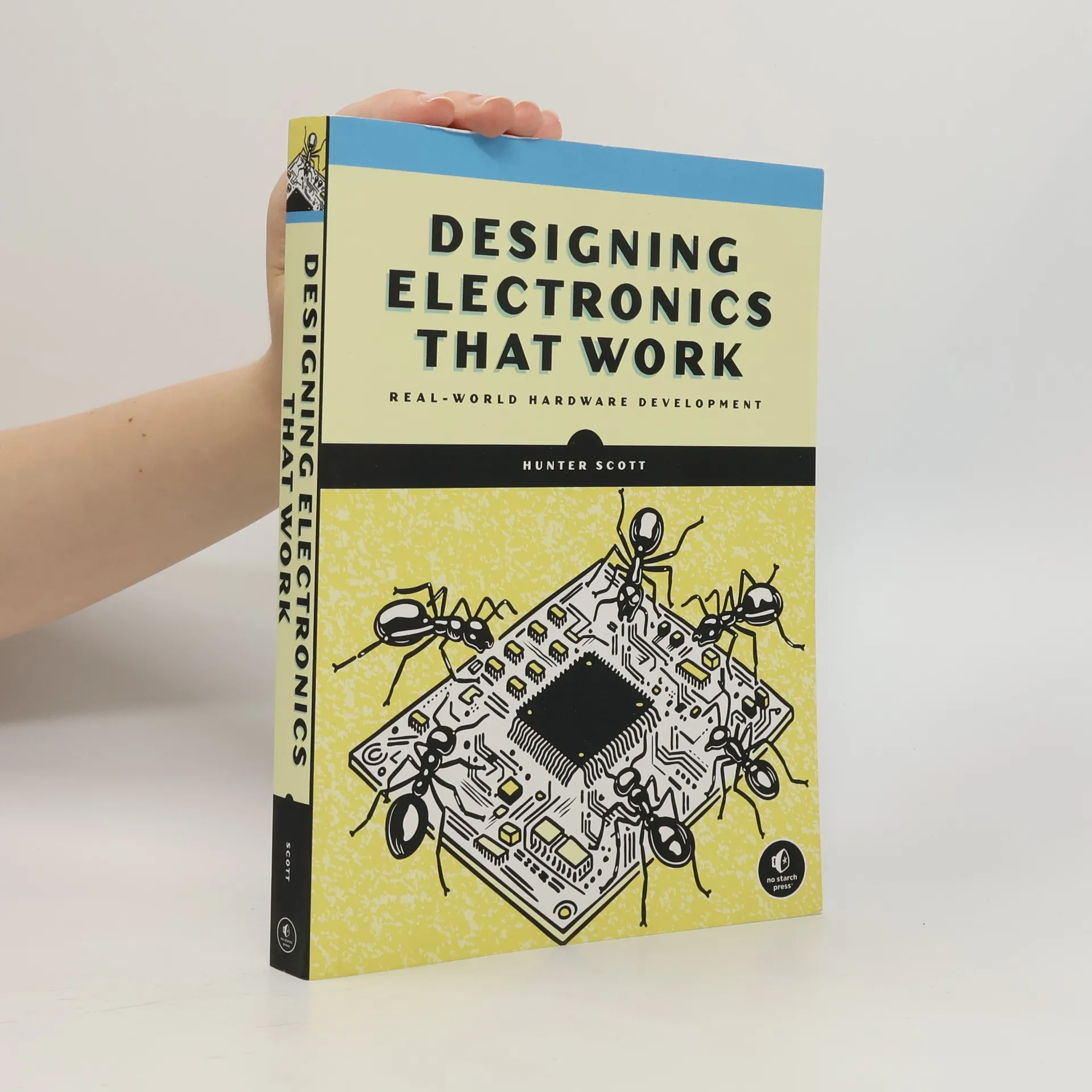
Designing Electronics That Work, Hunter Scott
- Lingua

- Pubblicato
- 2025
- Rilegatura
- (In brossura)
Metodi di pagamento
Ancora nessuna valutazione.
- Titolo
- Designing Electronics That Work
- Sottotitolo
- Real-World Hardware Development
- Lingua
- Inglese
- Autori
- Hunter Scott
- Editore
- No Starch Press
- Pubblicato
- 2025
- Formato
- In brossura
- Pagine
- 344
- ISBN10
- 1718503369
- ISBN13
- 9781718503366
- Serie
- Categoria
- Descrizione
- How real engineers build electronics—one working piece at a time. If you've faced board failures, spent hours debugging layouts, or encountered supplier issues before deadlines, you know this field is about judgment and real-world constraints. This guide focuses on practical insights often missing from traditional electronics textbooks. Aimed at those with some circuit knowledge, it helps you move faster, reduce mistakes, and deliver working hardware with confidence. You’ll learn to define and prioritize requirements to ensure you’re building the right product, design schematics and layouts for easier debugging, and plan for manufacturability and cost from the start. Additionally, it covers building a cost-effective lab that enhances productivity and troubleshooting methods for complex problems. Hunter Scott’s experience spans medical devices, RF systems, startups, and art installations, providing a practical perspective rather than theoretical explanations. You won’t find lengthy discussions on basic components, but you will discover answers to pressing questions like which capacitor to buy, how to handle stock issues, and ways to save time and money. This resource is valuable for hobbyists, new graduates, and seasoned engineers looking to improve their processes and avoid potential pitfalls.