

Maggiori informazioni sul libro
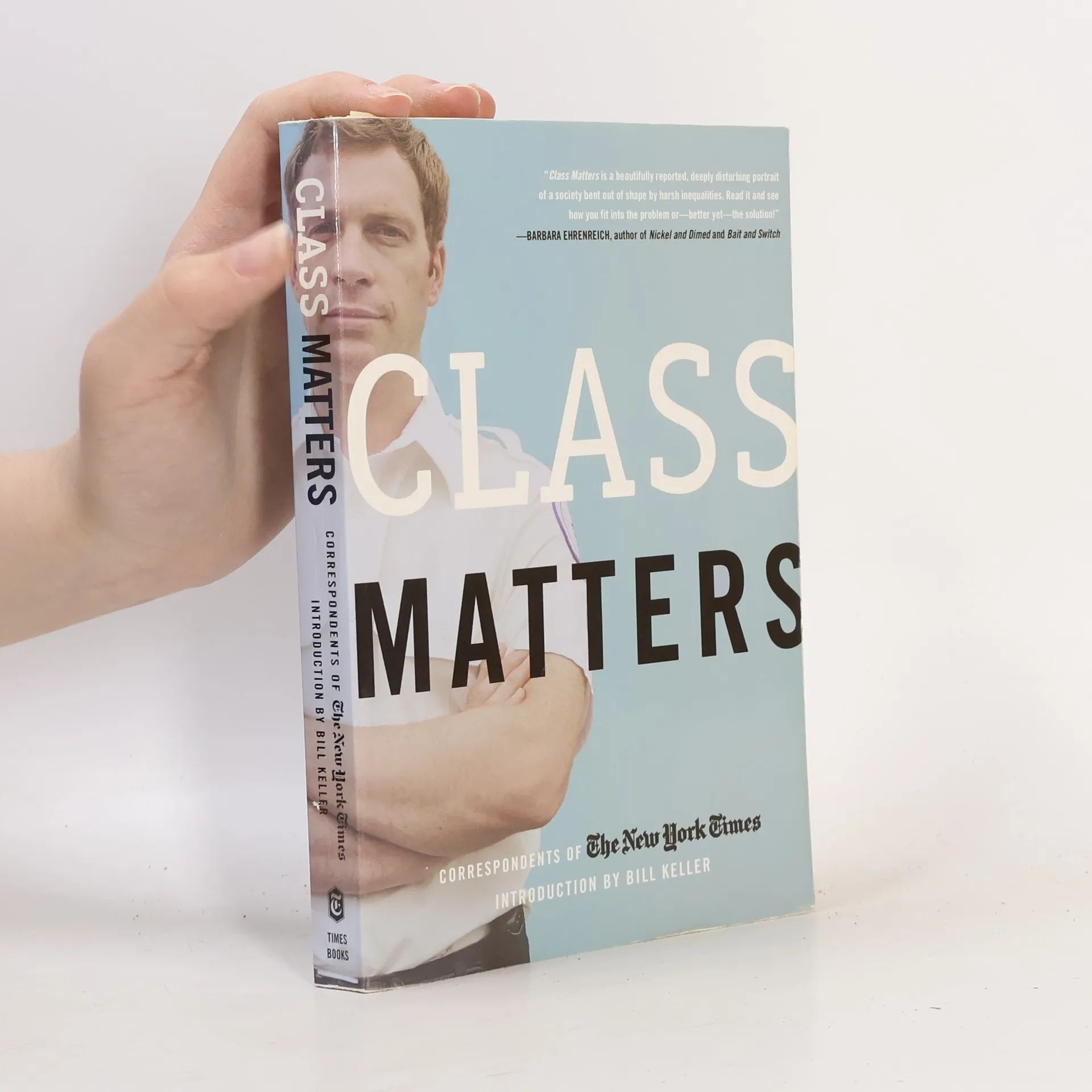
The acclaimed New York Times series on social class in America examines the implications of class distinctions on our lives. While Americans often believe they are free from class barriers, social class remains a significant force. A team of New York Times reporters investigates how class—defined by income, education, wealth, and occupation—shapes destinies in a society that prides itself on opportunity. Through compelling narratives, we encounter individuals from Kentucky and Chicago who have leveraged education to escape poverty, alongside those in Virginia and Washington hindered by a lack of it. We also meet an upper-middle-class family in Georgia that relocates frequently and newly wealthy residents in Nantucket whose opulent homes have displaced long-time locals. The book reveals how class disparities affect experiences in various aspects of life, from healthcare to marriage. For anyone concerned about the future of the American dream, this exploration is essential reading. It presents a deeply disturbing portrait of a society grappling with stark inequalities, prompting readers to reflect on their own roles in the problem and, ideally, the solution.
Acquisto del libro
Class Matters, Bill Keller
- Lingua

- Pubblicato
- 2005
- Rilegatura
- (In brossura)
Metodi di pagamento
Ancora nessuna valutazione.
- Titolo
- Class Matters
- Lingua
- Inglese
- Autori
- Bill Keller
- Editore
- Times Books
- Pubblicato
- 2005
- Formato
- In brossura
- Pagine
- 288
- ISBN10
- 0805080554
- ISBN13
- 9780805080551
- Serie
- Tag
- Commercio, Politica, USA, Scuola, Giustizia sociale, Povertà, Ricchezza, Classi sociali, Differenze sociali, Mobilità sociale
- Descrizione
- The acclaimed New York Times series on social class in America examines the implications of class distinctions on our lives. While Americans often believe they are free from class barriers, social class remains a significant force. A team of New York Times reporters investigates how class—defined by income, education, wealth, and occupation—shapes destinies in a society that prides itself on opportunity. Through compelling narratives, we encounter individuals from Kentucky and Chicago who have leveraged education to escape poverty, alongside those in Virginia and Washington hindered by a lack of it. We also meet an upper-middle-class family in Georgia that relocates frequently and newly wealthy residents in Nantucket whose opulent homes have displaced long-time locals. The book reveals how class disparities affect experiences in various aspects of life, from healthcare to marriage. For anyone concerned about the future of the American dream, this exploration is essential reading. It presents a deeply disturbing portrait of a society grappling with stark inequalities, prompting readers to reflect on their own roles in the problem and, ideally, the solution.