

Parametri
- 295pagine
- 11 ore di lettura
Maggiori informazioni sul libro
On May 24, 2001, 102 students and lecturers participated in an Advanced Study Institute (ASI) sponsored by NATO, focusing on the in situ and onsite management of contaminated sites. The Institute aimed to integrate advanced science with practical field applications for assessing and remediating contaminated areas. Many lecturers were affiliated with Hazardous Substance Research Centers, which are multi-university consortia funded by the US Environmental Protection Agency. These Centers have contributed significantly to research and technology transfer aimed at promoting risk-based management of hazardous substances. Their work emphasizes in situ and onsite assessment and remediation, offering approaches that can be more cost-effective than traditional methods while ensuring accuracy and effectiveness. There is a pressing need for cost-effective remedial strategies that minimize exposure and risks to human health and the environment, particularly in regions like Eastern Europe and the former Soviet Union, where resources for environmental cleanup are severely limited. The ASI served as a platform for sharing knowledge and techniques that can address these critical challenges globally.
Acquisto del libro
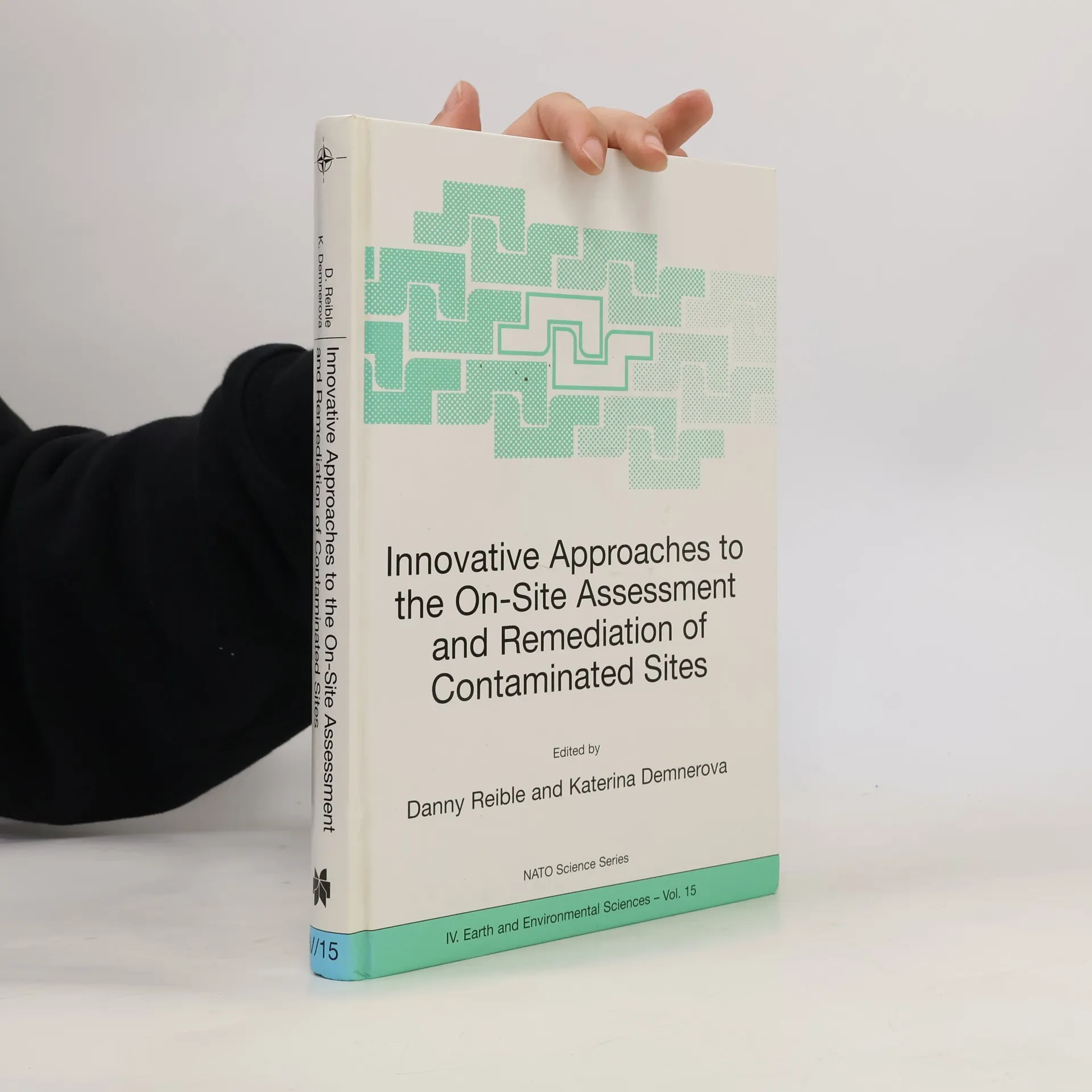
NATO Science Series: IV: Earth and Environmental Sciences - 15: Innovative Approaches to the On-Site Assessment and Remediation of Contaminated Sites, Danny Reible, Kateřina Demnerová
- Lingua

- Pubblicato
- 2002
- Rilegatura
- (Copertina rigida)
Metodi di pagamento
Ancora nessuna valutazione.
- Titolo
- NATO Science Series: IV: Earth and Environmental Sciences - 15: Innovative Approaches to the On-Site Assessment and Remediation of Contaminated Sites
- Lingua
- Inglese
- Autori
- Danny Reible, Kateřina Demnerová
- Editore
- Springer
- Pubblicato
- 2002
- Formato
- Copertina rigida
- Pagine
- 295
- ISBN10
- 1402009569
- ISBN13
- 9781402009563
- Serie
- Categoria
- Tag
- Natura, Scienza, Tecnologia, Tematica ecologica, Europa Occidentale, Geologia, Scienze ambientali, Biotecnologia
- Descrizione
- On May 24, 2001, 102 students and lecturers participated in an Advanced Study Institute (ASI) sponsored by NATO, focusing on the in situ and onsite management of contaminated sites. The Institute aimed to integrate advanced science with practical field applications for assessing and remediating contaminated areas. Many lecturers were affiliated with Hazardous Substance Research Centers, which are multi-university consortia funded by the US Environmental Protection Agency. These Centers have contributed significantly to research and technology transfer aimed at promoting risk-based management of hazardous substances. Their work emphasizes in situ and onsite assessment and remediation, offering approaches that can be more cost-effective than traditional methods while ensuring accuracy and effectiveness. There is a pressing need for cost-effective remedial strategies that minimize exposure and risks to human health and the environment, particularly in regions like Eastern Europe and the former Soviet Union, where resources for environmental cleanup are severely limited. The ASI served as a platform for sharing knowledge and techniques that can address these critical challenges globally.