



Maggiori informazioni sul libro
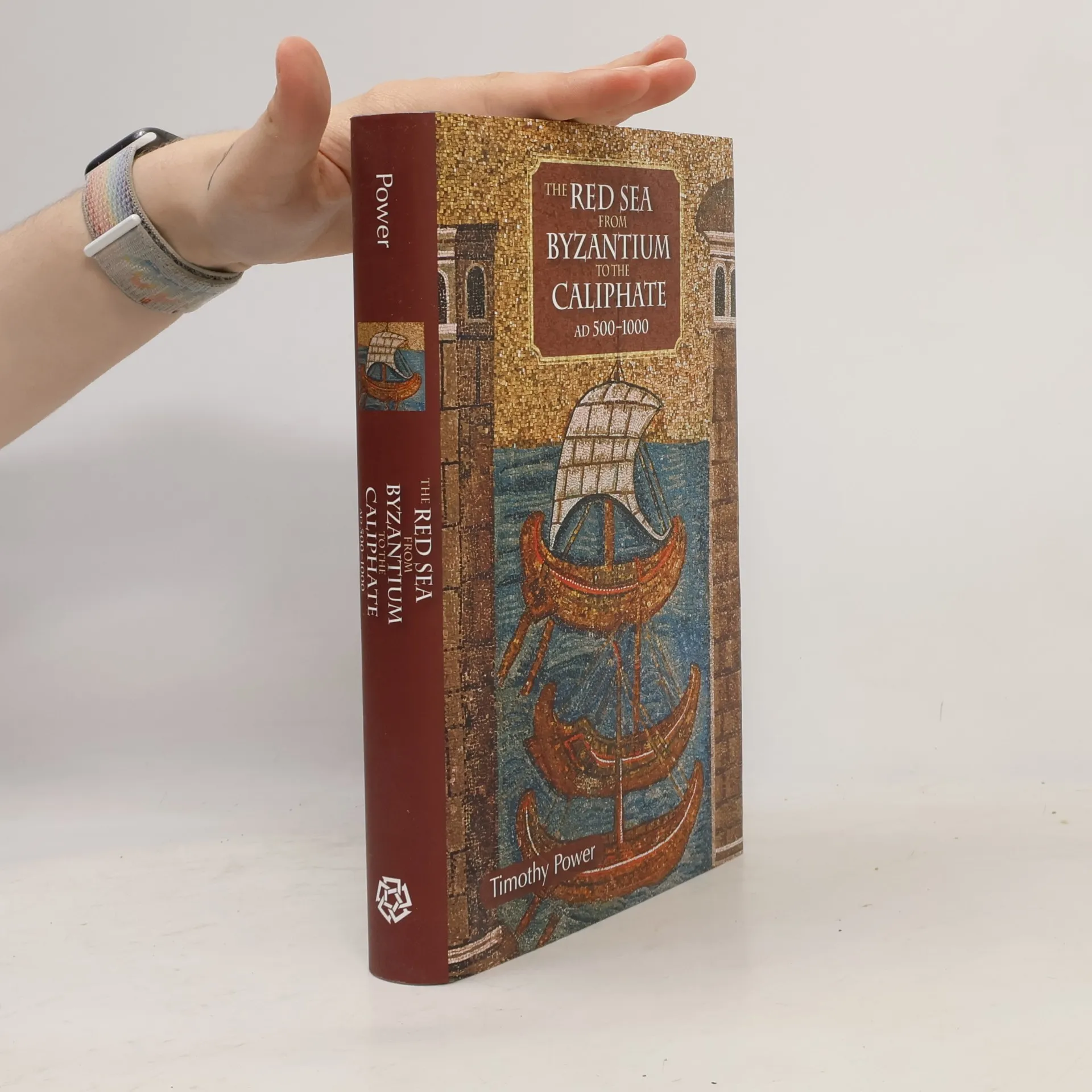
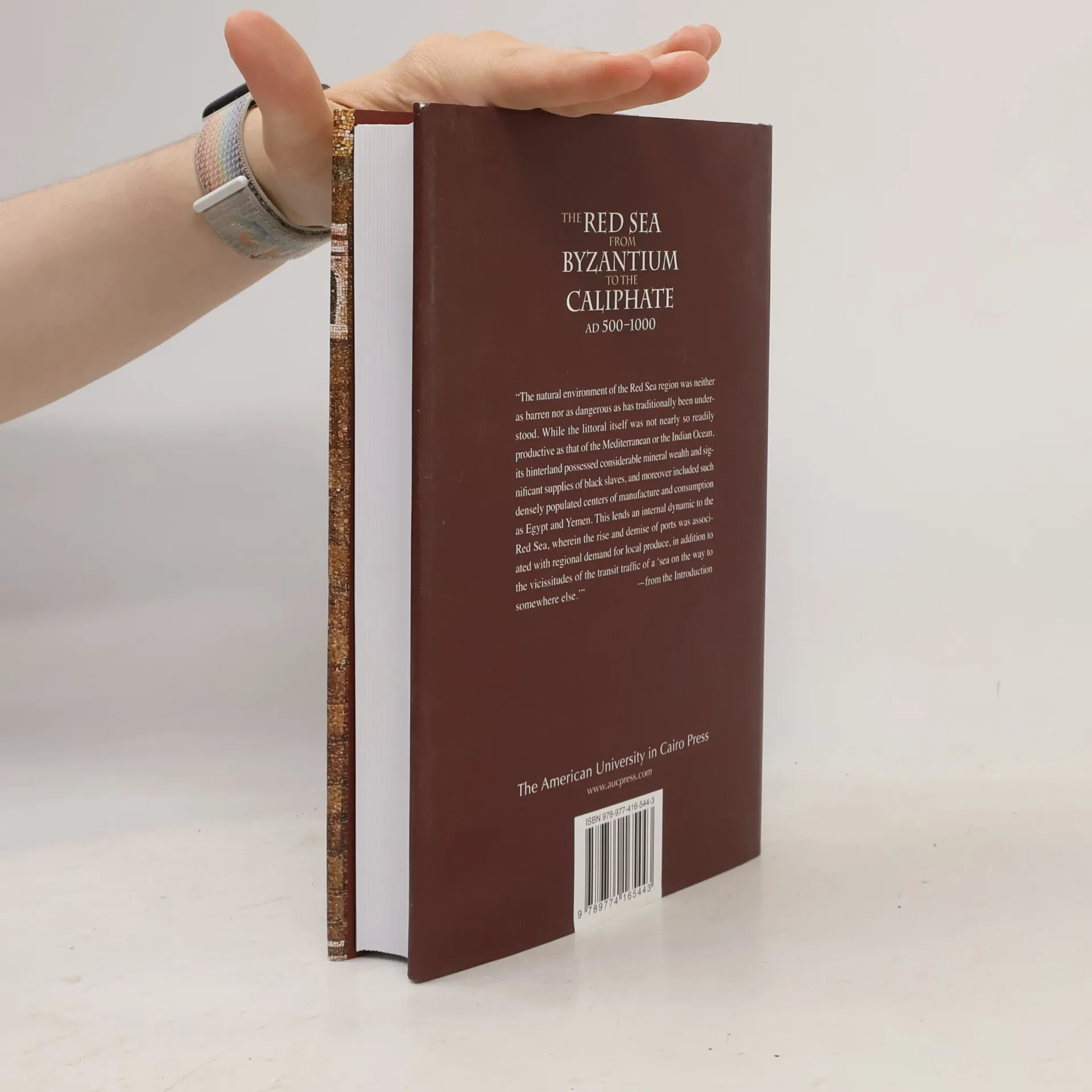
This book examines the historic process traditionally referred to as the fall of Rome and rise of Islam from the perspective of the Red Sea, a strategic waterway linking the Mediterranean to the Indian Ocean and a distinct region incorporating Africa with Arabia. The transition from Byzantium to the Caliphate is contextualized in the contestation of regional hegemony between Aksumite Ethiopia, Sasanian Iran, and the Islamic Hijaz. The economic stimulus associated with Arab colonization is then considered, including the foundation of ports and roads linking new metropolises and facilitating commercial expansion, particularly gold mining and the slave trade. Finally, the economic inheritance of the Fatimids and the formation of the commercial networks glimpsed in the Cairo Geniza is contextualized in the diffusion of the Abbasid 'bourgeois revolution' and resumption of the 'India trade' under the Tulunids and Ziyadids. Timothy Power's careful analysis reveals the complex cultural and economic factors that provided a fertile ground for the origins of the Islamic civilization to take root in the Red Sea region, offering a new perspective on a vital period of history.
Acquisto del libro
The Red Sea from Byzantium to the Caliphate, Timothy Power
- Lingua

- Pubblicato
- 2012
- Rilegatura
- (Copertina rigida)
Metodi di pagamento
Ancora nessuna valutazione.
- Titolo
- The Red Sea from Byzantium to the Caliphate
- Sottotitolo
- AD 500-1000
- Lingua
- Inglese
- Autori
- Timothy Power
- Pubblicato
- 2012
- Formato
- Copertina rigida
- Pagine
- 363
- ISBN10
- 9774165446
- ISBN13
- 9789774165443
- Serie
- Categoria
- Descrizione
- This book examines the historic process traditionally referred to as the fall of Rome and rise of Islam from the perspective of the Red Sea, a strategic waterway linking the Mediterranean to the Indian Ocean and a distinct region incorporating Africa with Arabia. The transition from Byzantium to the Caliphate is contextualized in the contestation of regional hegemony between Aksumite Ethiopia, Sasanian Iran, and the Islamic Hijaz. The economic stimulus associated with Arab colonization is then considered, including the foundation of ports and roads linking new metropolises and facilitating commercial expansion, particularly gold mining and the slave trade. Finally, the economic inheritance of the Fatimids and the formation of the commercial networks glimpsed in the Cairo Geniza is contextualized in the diffusion of the Abbasid 'bourgeois revolution' and resumption of the 'India trade' under the Tulunids and Ziyadids. Timothy Power's careful analysis reveals the complex cultural and economic factors that provided a fertile ground for the origins of the Islamic civilization to take root in the Red Sea region, offering a new perspective on a vital period of history.