


Maggiori informazioni sul libro
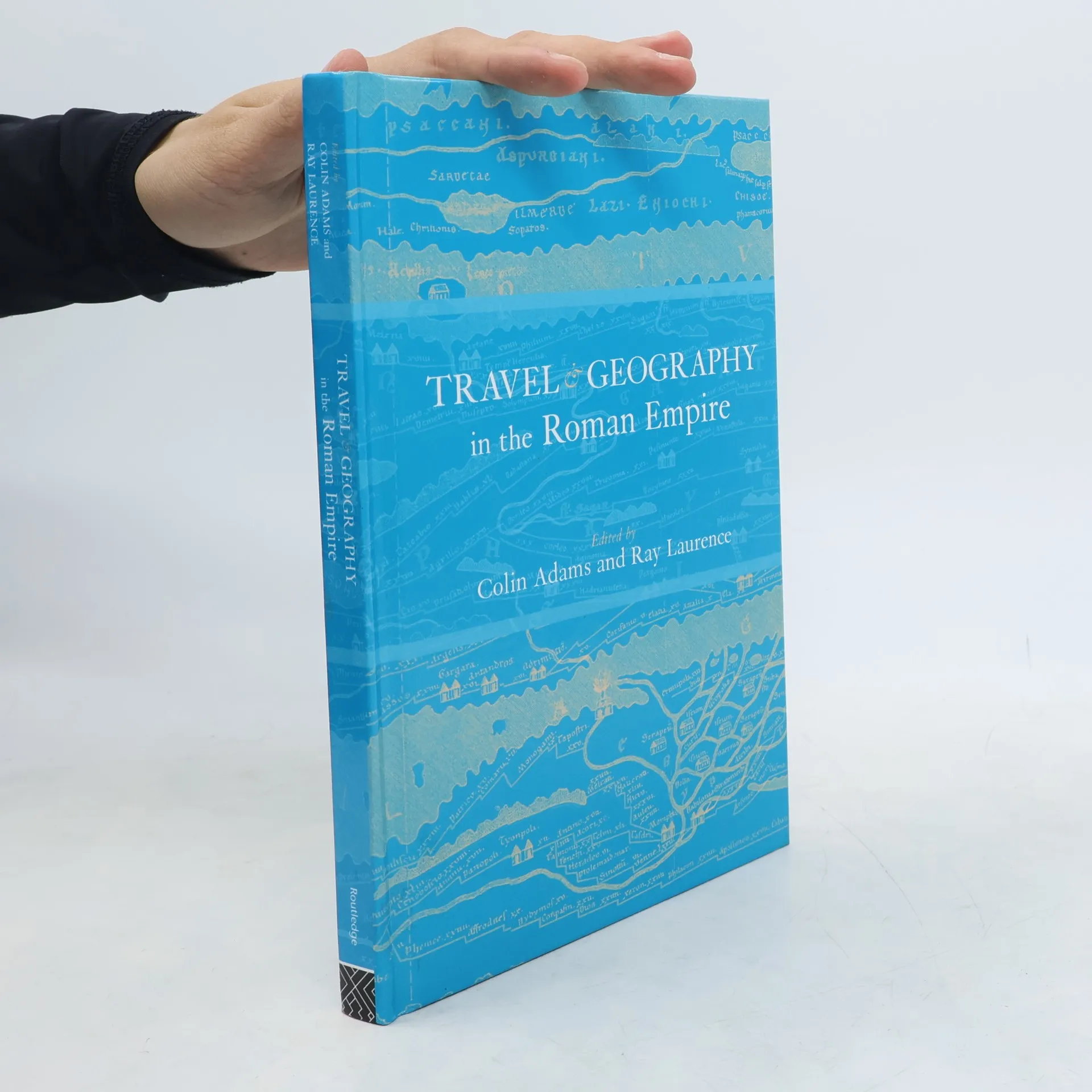
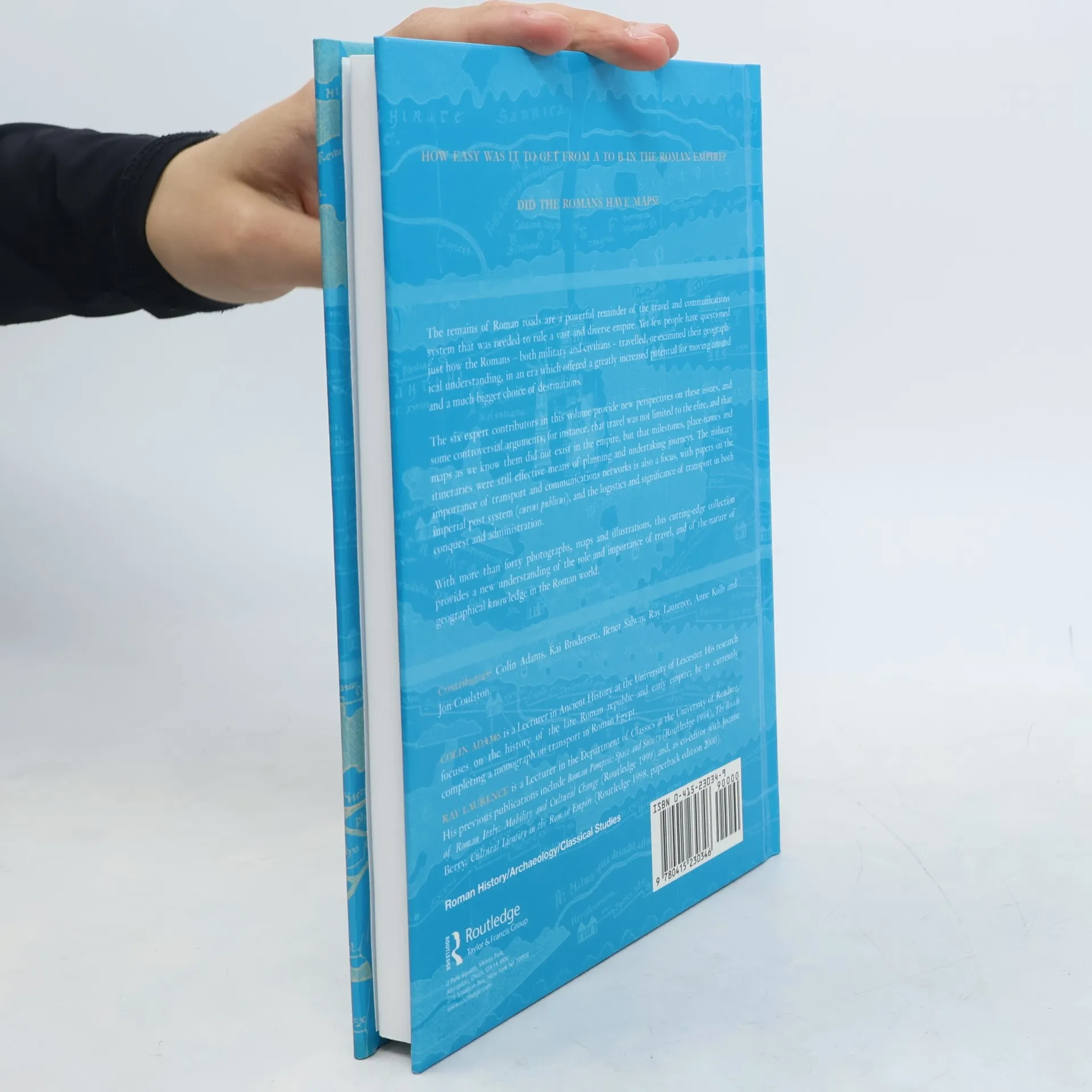
The remains of Roman roads are a powerful reminder of the travel and communications system that was needed to rule a vast and diverse empire. Yet few people have questioned just how the Romans - both military and civilians - travelled, or examined their geographical understanding in an era which offered a greatly increased potential for moving around, and a much bigger choice of destinations.This volume provides new perspectives on these issues, and some controversial arguments; for instance, that travel was not limited to the elite, and that maps as we know them did not exist in the empire. The military importance of transport and communication networks is also a focus, as is the imperial post system (cursus publicus), and the logistics and significance of transport in both conquest and administration.With more than forty photographs, maps and illustrations, this collection provides a new understanding of the role and importance of travel, and of the nature of geographical knowledge, in the Roman world,
Acquisto del libro
Travel and Geography in the Roman Empire, Colin E. P. Adams, Ray Laurence
- Lingua

- Pubblicato
- 2001
- Rilegatura
- (Copertina rigida)
Metodi di pagamento
Ancora nessuna valutazione.
- Titolo
- Travel and Geography in the Roman Empire
- Lingua
- Inglese
- Autori
- Colin E. P. Adams, Ray Laurence
- Editore
- Routledge
- Pubblicato
- 2001
- Formato
- Copertina rigida
- Pagine
- 202
- ISBN10
- 0415230349
- ISBN13
- 9780415230346
- Serie
- Categoria
- Descrizione
- The remains of Roman roads are a powerful reminder of the travel and communications system that was needed to rule a vast and diverse empire. Yet few people have questioned just how the Romans - both military and civilians - travelled, or examined their geographical understanding in an era which offered a greatly increased potential for moving around, and a much bigger choice of destinations.This volume provides new perspectives on these issues, and some controversial arguments; for instance, that travel was not limited to the elite, and that maps as we know them did not exist in the empire. The military importance of transport and communication networks is also a focus, as is the imperial post system (cursus publicus), and the logistics and significance of transport in both conquest and administration.With more than forty photographs, maps and illustrations, this collection provides a new understanding of the role and importance of travel, and of the nature of geographical knowledge, in the Roman world,