



Parametri
- 288pagine
- 11 ore di lettura
Maggiori informazioni sul libro
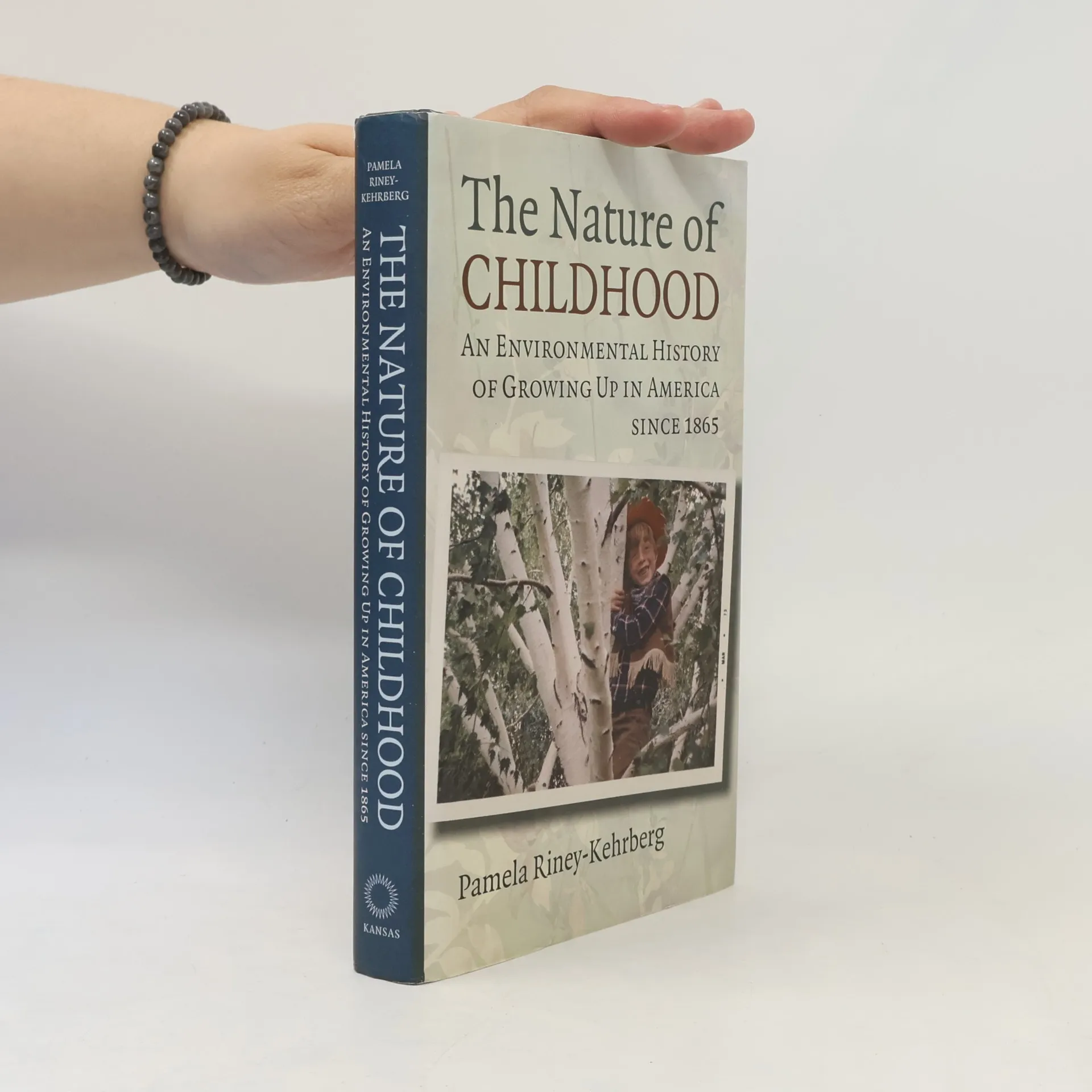
When did the adventurous child who explored nature transform into one confined to malls and screens? This environmental history examines the shift from "Go out and play!" to a culture where outdoor play is often seen as risky. It explores how American children have increasingly moved indoors, losing their connection to nature. Covering the period from the Civil War to today, the narrative highlights the migration from rural to urban living and its impact on youth. Focusing on the Midwest and Great Plains, the author delves into how families adapted to significant economic and social changes, leading to new forms of engagement with nature, such as summer camps and scouting, which replaced direct experiences in the outdoors. As the story progresses into the mid-twentieth century, the rise of technology—especially radio and television—introduces a conflict between indoor and outdoor activities, reflecting the differing preferences of children and parents. Ultimately, this book sheds light on how children, now comfortable with their electronic devices, have seemingly triumphed in this struggle, prompting reflection on the implications of this shift for future generations.
Acquisto del libro
The Nature of Childhood, Pamela Riney-Kehrberg
- Lingua

- Pubblicato
- 2014
- Rilegatura
- (Copertina rigida),
- Condizioni del libro
- In buone condizioni
- Prezzo
- 5,99 €
Metodi di pagamento
Ancora nessuna valutazione.
- Titolo
- The Nature of Childhood
- Sottotitolo
- An Environmental History of Growing Up in America Since 1865
- Lingua
- Inglese
- Autori
- Pamela Riney-Kehrberg
- Editore
- University Press of Kansas
- Pubblicato
- 2014
- Formato
- Copertina rigida
- Pagine
- 288
- ISBN10
- 0700619585
- ISBN13
- 9780700619580
- Serie
- Categoria
- Tag
- Tema stórico, Natura, Famiglia, USA, Relazioni, Bambini, Tematica ecologica, Matrimonio, 21° Secolo
- Descrizione
- When did the adventurous child who explored nature transform into one confined to malls and screens? This environmental history examines the shift from "Go out and play!" to a culture where outdoor play is often seen as risky. It explores how American children have increasingly moved indoors, losing their connection to nature. Covering the period from the Civil War to today, the narrative highlights the migration from rural to urban living and its impact on youth. Focusing on the Midwest and Great Plains, the author delves into how families adapted to significant economic and social changes, leading to new forms of engagement with nature, such as summer camps and scouting, which replaced direct experiences in the outdoors. As the story progresses into the mid-twentieth century, the rise of technology—especially radio and television—introduces a conflict between indoor and outdoor activities, reflecting the differing preferences of children and parents. Ultimately, this book sheds light on how children, now comfortable with their electronic devices, have seemingly triumphed in this struggle, prompting reflection on the implications of this shift for future generations.