

Maggiori informazioni sul libro
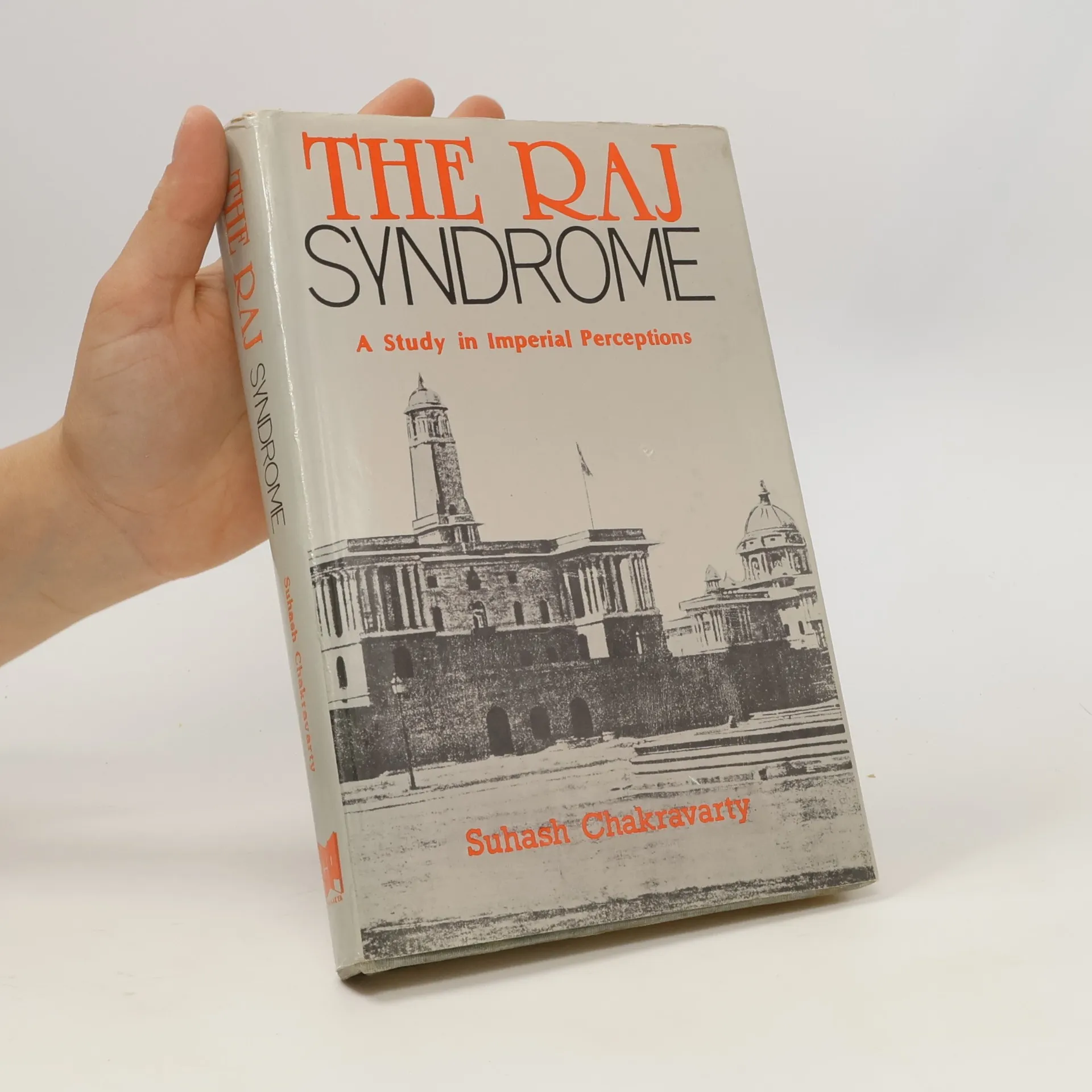
Told with verve, clarity, wit and at times with enlivening sarcasm, The Raj Syndrome is an original and persuasive portrayal of the broad parameters and intricate detours of imperial perceptions of India. Rudyard Kipling and Maud Diver stood at one end of the imperial spectrum signifying unflinching will and determination. Edward Morgan Forster and Edward Thompson stood at the other end of the same world view upholding various sentiments to buttress imperial mindset. The extravagant Round Table Group inherited in full measure the self righteous authoritarianism of John Strachey, James Fitzjames Stephen and Valentine Chirol. The Indian Conciliation Group and various sympathizers of an amorphous British Left of the 1930s and 40s sought to explore a human partnership between the ruler and the ruled within the same haughty empire. Despite tactical differences, Chakravarty argues, there was a strategic consensus that upheld imperial sensibility they all served the empire. Impeccably researched, this is an extraordinarily vivid analysis of the complex men institutions and perceptions of the imperial age. It is both gripping and rewarding.
Acquisto del libro
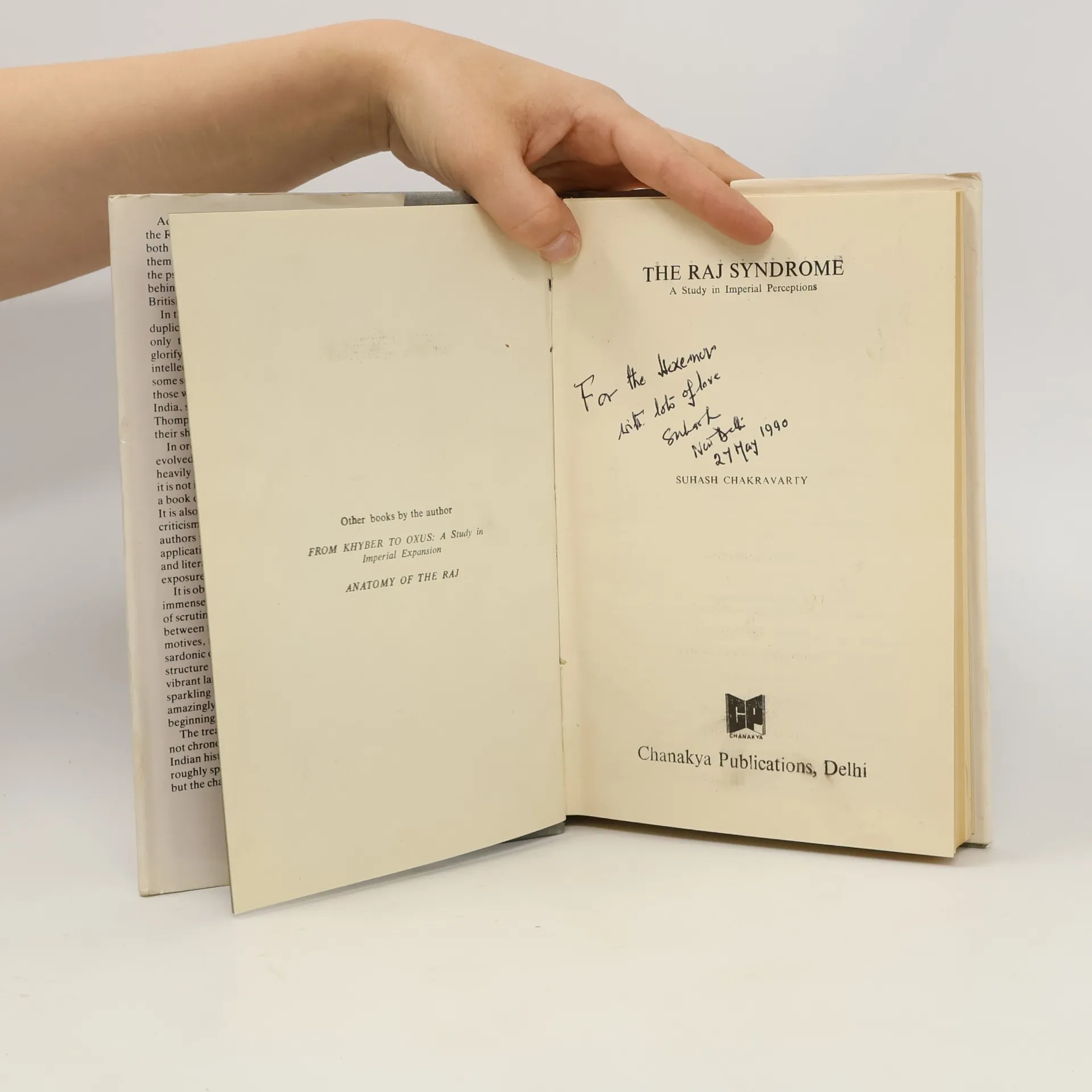
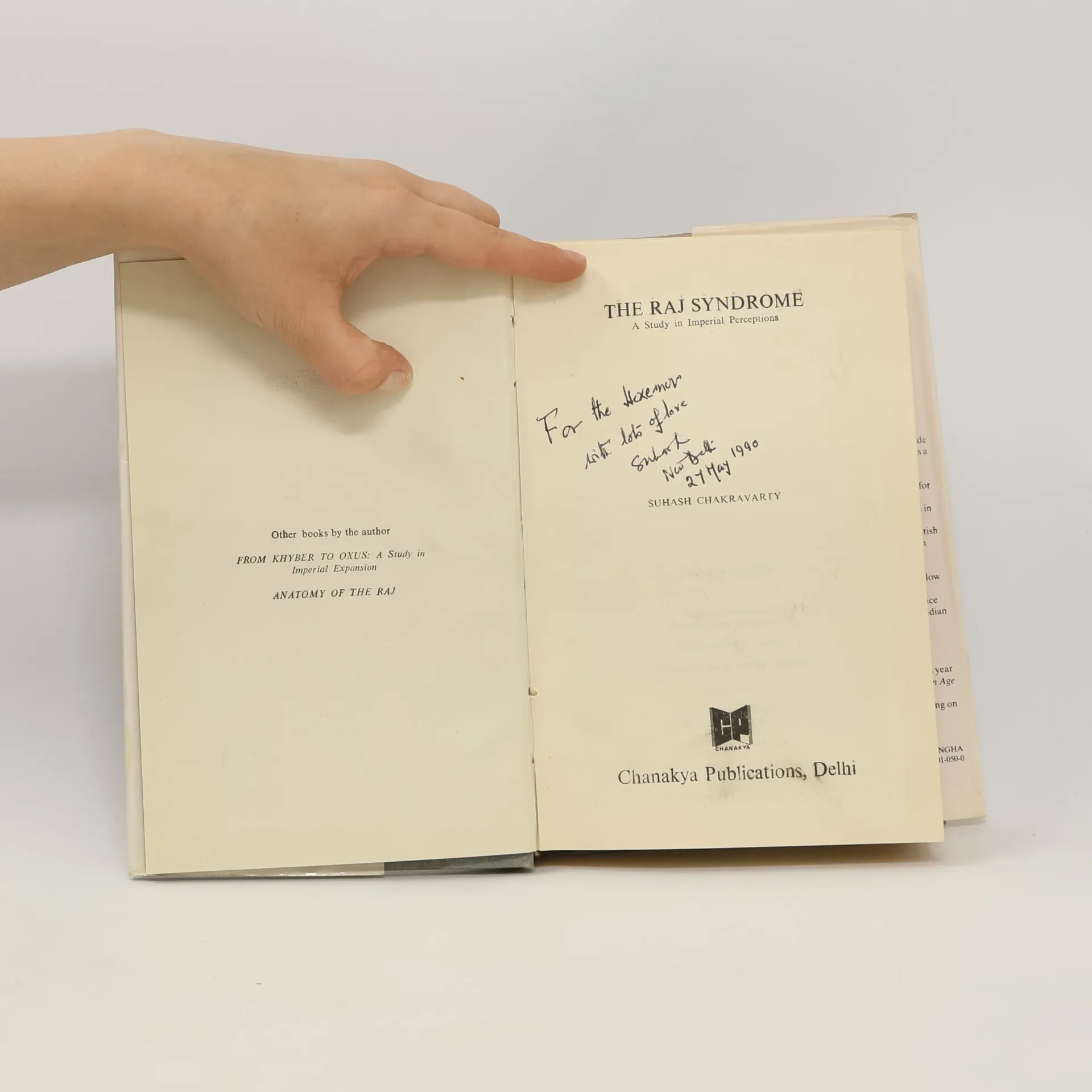
The Raj Syndrome, Suhash Chakravarty
- Lingua

- Pubblicato
- 1990,
- Condizioni del libro
- Danneggiato
- Prezzo
- 3,94 €
Metodi di pagamento
Ancora nessuna valutazione.
- Titolo
- The Raj Syndrome
- Sottotitolo
- A Study in Imperial Perceptions
- Lingua
- Inglese
- Autori
- Suhash Chakravarty
- Editore
- Penguin Books India
- Pubblicato
- 1990
- Pagine
- 325
- ISBN10
- 8170010500
- ISBN13
- 9788170010500
- Serie
- Categoria
- Descrizione
- Told with verve, clarity, wit and at times with enlivening sarcasm, The Raj Syndrome is an original and persuasive portrayal of the broad parameters and intricate detours of imperial perceptions of India. Rudyard Kipling and Maud Diver stood at one end of the imperial spectrum signifying unflinching will and determination. Edward Morgan Forster and Edward Thompson stood at the other end of the same world view upholding various sentiments to buttress imperial mindset. The extravagant Round Table Group inherited in full measure the self righteous authoritarianism of John Strachey, James Fitzjames Stephen and Valentine Chirol. The Indian Conciliation Group and various sympathizers of an amorphous British Left of the 1930s and 40s sought to explore a human partnership between the ruler and the ruled within the same haughty empire. Despite tactical differences, Chakravarty argues, there was a strategic consensus that upheld imperial sensibility they all served the empire. Impeccably researched, this is an extraordinarily vivid analysis of the complex men institutions and perceptions of the imperial age. It is both gripping and rewarding.