




Maggiori informazioni sul libro
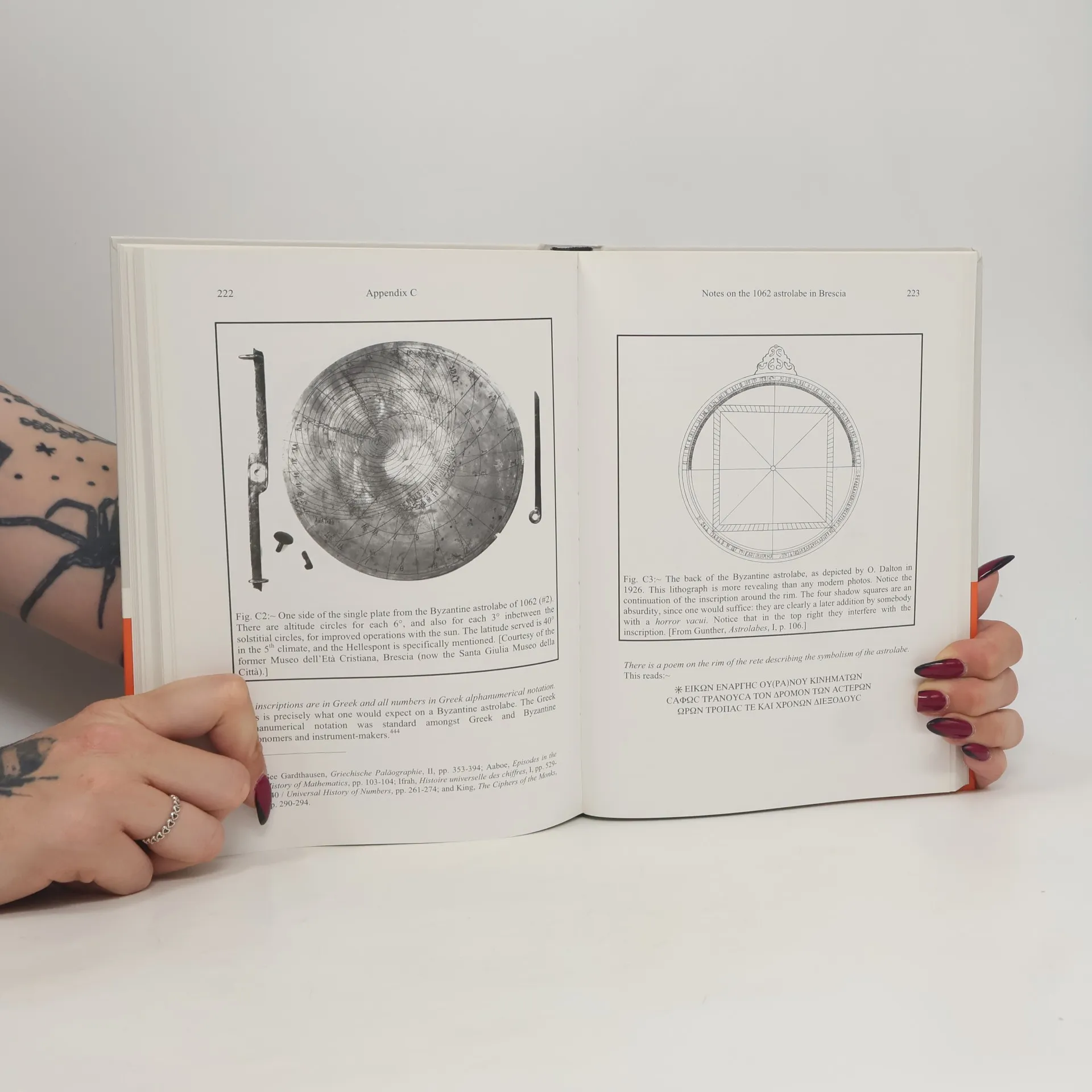
On the astrolabe presented by the young German astronomer Regiomontanus to his ageing patron Cardinal Bessarion there is a Latin epigram and the image of an angel. The former is a geometrically-arranged acrostic with eight hidden vertical axes. Of these, the two principal ones correspond precisely to the two principal axes of the enigmatic painting “The Flagellation of Christ” by Piero della Francesca. In this are five figures in a flagellation scene on the left and three “modern” figures on the right, including a bearded Greek and an “angelic” young man in cardinal red. Over 40 interpretations of the three “moderns” have been proposed over the past 150 years. In this book, David King shows how clusters of letters across the epigram reveal double or multiple identities for each and every one of the eight persons in the painting. The only new person in the drama is Regiomontanus, whose epigram provided the inspiration for the painting. His image embodies three talented young men close to Bessarion who had recently died, and also symbolizes the cardinal’s hope for the future.
Acquisto del libro
Boethius - 56: Astrolabes And Angels, Epigrams And Enigmas, David A. King
- Lingua

- Pubblicato
- 2007
- Rilegatura
- (Copertina rigida)
Metodi di pagamento
Ancora nessuna valutazione.
- Titolo
- Boethius - 56: Astrolabes And Angels, Epigrams And Enigmas
- Lingua
- Inglese
- Autori
- David A. King
- Editore
- Franz Steiner Verlag
- Pubblicato
- 2007
- Formato
- Copertina rigida
- Pagine
- 348
- ISBN10
- 3515090614
- ISBN13
- 9783515090612
- Serie
- Tag
- Tema stórico, Scienze Naturali, Belle arti, Spazio, Rinascimento, Storia della Scienza, Storia delle scienze naturali
- Descrizione
- On the astrolabe presented by the young German astronomer Regiomontanus to his ageing patron Cardinal Bessarion there is a Latin epigram and the image of an angel. The former is a geometrically-arranged acrostic with eight hidden vertical axes. Of these, the two principal ones correspond precisely to the two principal axes of the enigmatic painting “The Flagellation of Christ” by Piero della Francesca. In this are five figures in a flagellation scene on the left and three “modern” figures on the right, including a bearded Greek and an “angelic” young man in cardinal red. Over 40 interpretations of the three “moderns” have been proposed over the past 150 years. In this book, David King shows how clusters of letters across the epigram reveal double or multiple identities for each and every one of the eight persons in the painting. The only new person in the drama is Regiomontanus, whose epigram provided the inspiration for the painting. His image embodies three talented young men close to Bessarion who had recently died, and also symbolizes the cardinal’s hope for the future.