

Maggiori informazioni sul libro
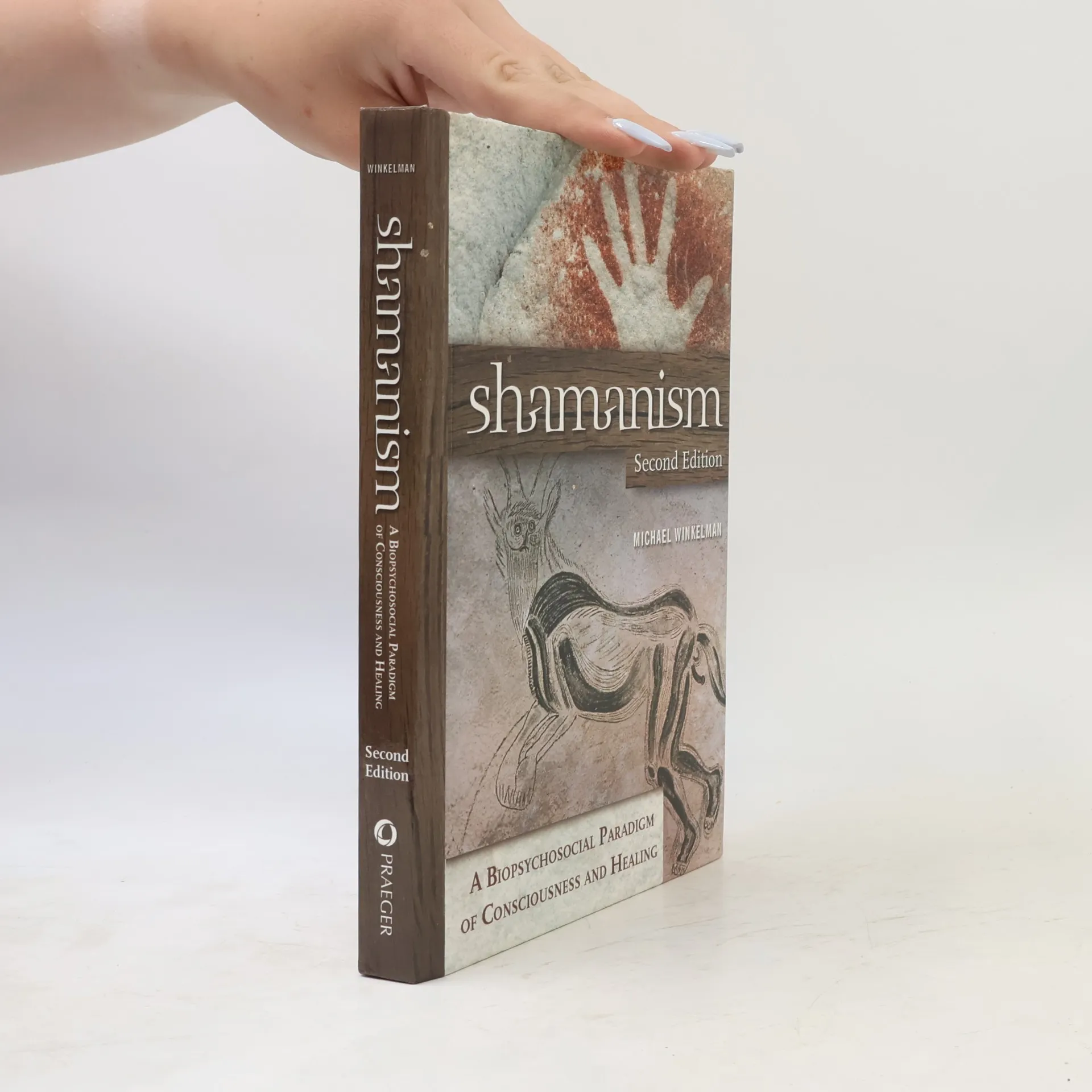
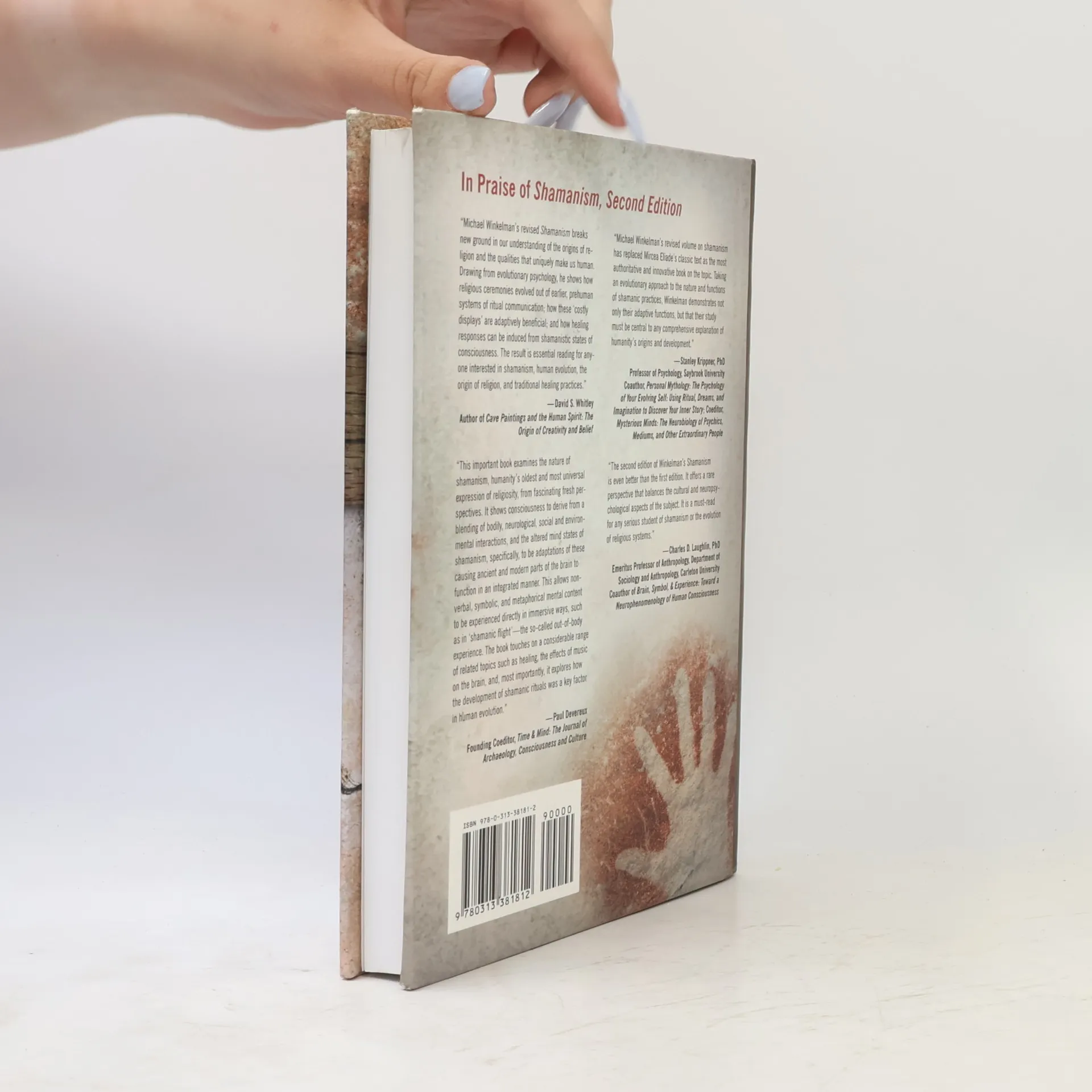
What does the brain do during "soul journeys"? How do shamans alter consciousness and why is this important for healing? Are shamans different from other kinds of healers? Is there a connection between the rituals performed by chimpanzees and traditional shamanistic practices? All of these questions--and many more--are answered in Shamanism, Second Edition: A Biopsychosocial Paradigm of Consciousness and Healing . This text contains crosscultural examinations of the nature of shamanism, biological perspectives on alterations of consciousness, mechanisms of shamanistic healing, as well as the evolutionary origins of shamanism. It presents the shamanic paradigm within a biopsychosocial framework for explaining successful human evolution through group rituals. In the final chapter,"the author compares shamanistic rituals with chimpanzee displays to identify homologies that point to the ritual dynamics of our ancient hominid ancestors.
Acquisto del libro
Shamanism, Michael Winkelman
- Lingua

- Pubblicato
- 2010
- Rilegatura
- (Copertina rigida)
Metodi di pagamento
Ancora nessuna valutazione.
- Titolo
- Shamanism
- Sottotitolo
- A Biopsychosocial Paradigm of Consciousness and Healing - Second Edition
- Lingua
- Inglese
- Autori
- Michael Winkelman
- Editore
- Praeger
- Pubblicato
- 2010
- Formato
- Copertina rigida
- Pagine
- 336
- ISBN10
- 031338181X
- ISBN13
- 9780313381812
- Serie
- Categoria
- Descrizione
- What does the brain do during "soul journeys"? How do shamans alter consciousness and why is this important for healing? Are shamans different from other kinds of healers? Is there a connection between the rituals performed by chimpanzees and traditional shamanistic practices? All of these questions--and many more--are answered in Shamanism, Second Edition: A Biopsychosocial Paradigm of Consciousness and Healing . This text contains crosscultural examinations of the nature of shamanism, biological perspectives on alterations of consciousness, mechanisms of shamanistic healing, as well as the evolutionary origins of shamanism. It presents the shamanic paradigm within a biopsychosocial framework for explaining successful human evolution through group rituals. In the final chapter,"the author compares shamanistic rituals with chimpanzee displays to identify homologies that point to the ritual dynamics of our ancient hominid ancestors.