


Parametri
- 126pagine
- 5 ore di lettura
Maggiori informazioni sul libro
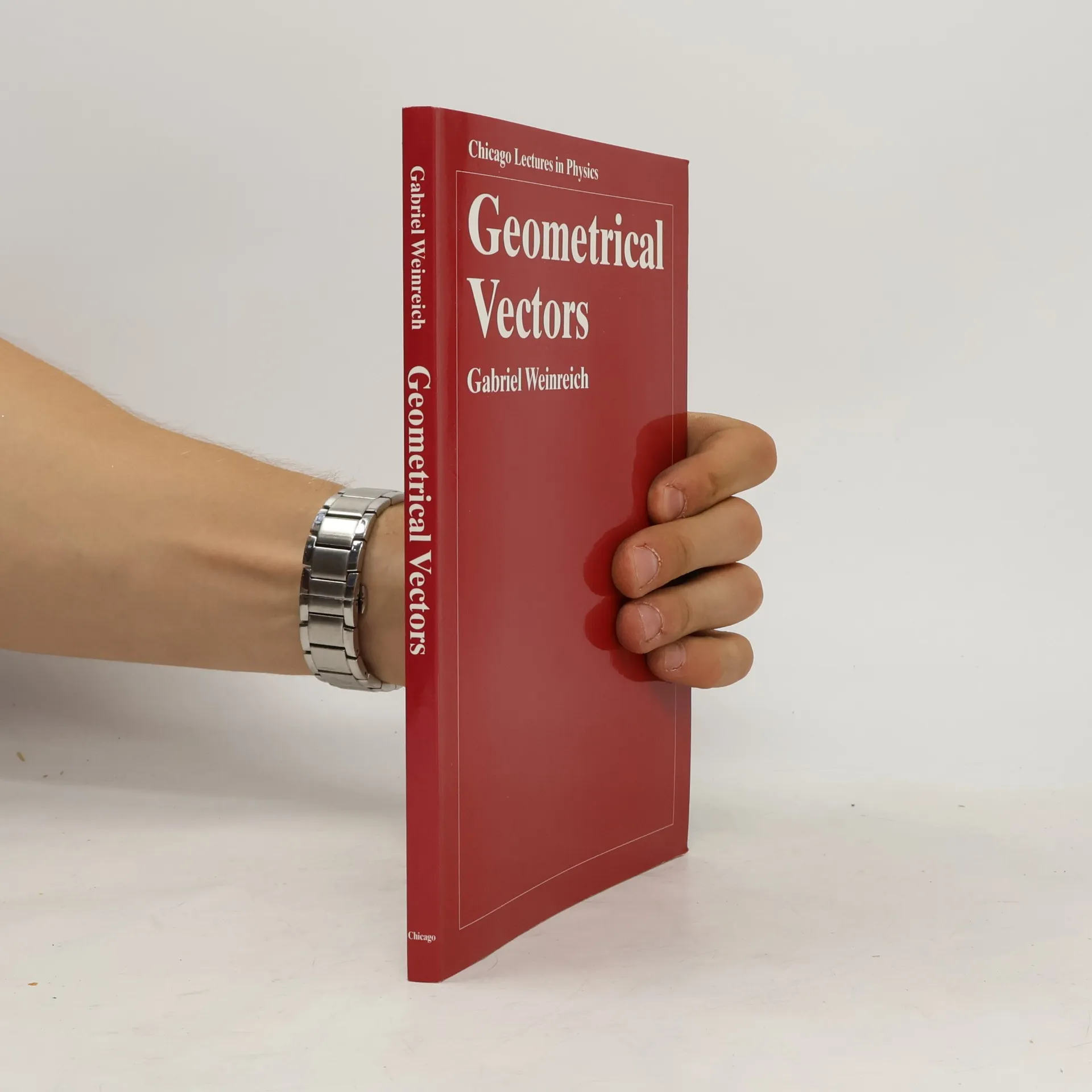
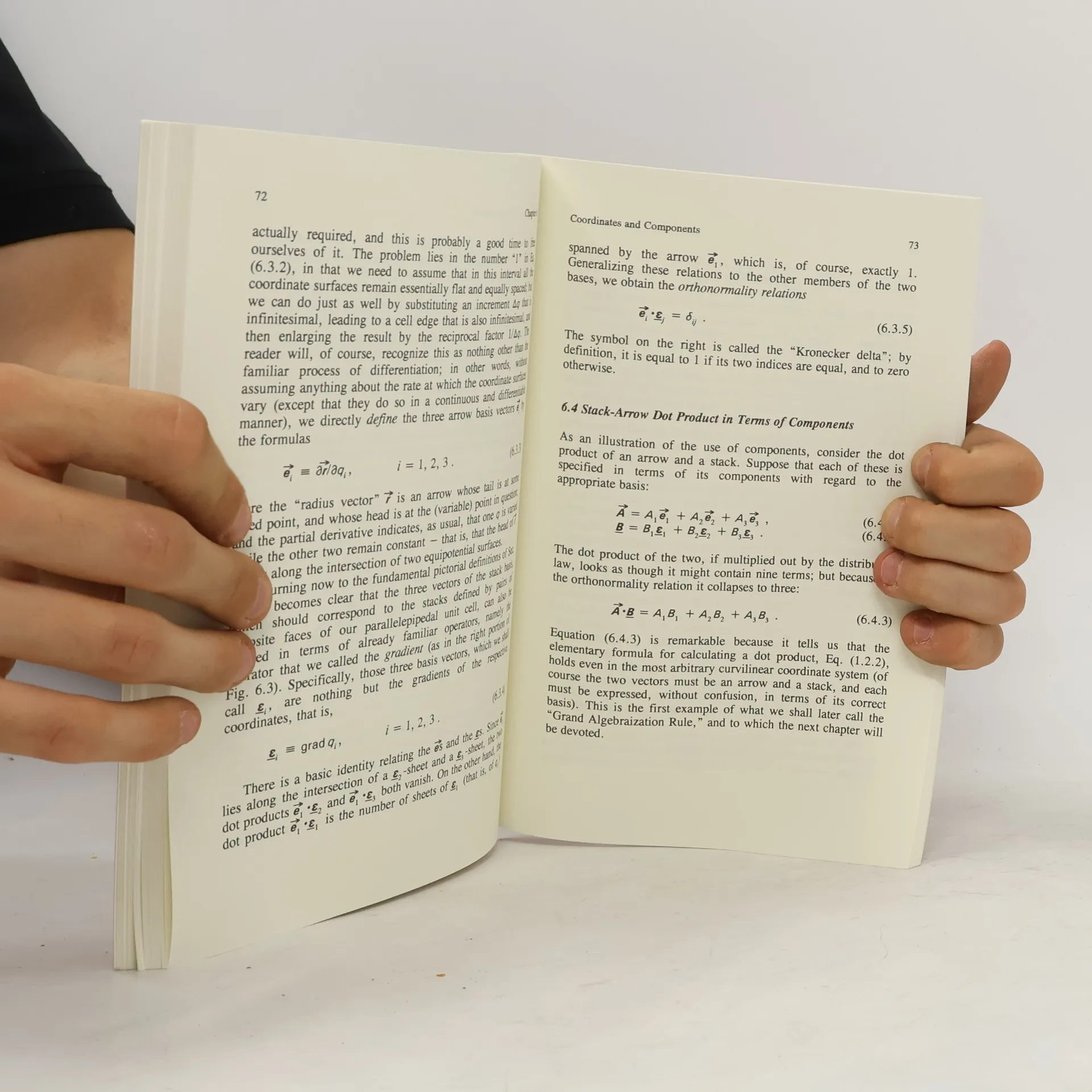
Every advanced undergraduate and graduate student of physics must master the concepts of vectors and vector analysis. Yet most books cover this topic by merely repeating the introductory-level treatment based on a limited algebraic or analytic view of the subject.Geometrical Vectors introduces a more sophisticated approach, which not only brings together many loose ends of the traditional treatment, but also leads directly into the practical use of vectors in general curvilinear coordinates by carefully separating those relationships which are topologically invariant from those which are not. Based on the essentially geometric nature of the subject, this approach builds consistently on students' prior knowledge and geometrical intuition.Written in an informal and personal style, Geometrical Vectors provides a handy guide for any student of vector analysis. Clear, carefully constructed line drawings illustrate key points in the text, and problem sets as well as physical examples are provided.
Acquisto del libro
Chicago Lectures in Physics: Geometrical Vectors, Gabriel Weinreich
- Lingua

- Pubblicato
- 1998
- Rilegatura
- (In brossura)
Metodi di pagamento
Ancora nessuna valutazione.
- Titolo
- Chicago Lectures in Physics: Geometrical Vectors
- Lingua
- Inglese
- Autori
- Gabriel Weinreich
- Pubblicato
- 1998
- Formato
- In brossura
- Pagine
- 126
- ISBN10
- 0226890481
- ISBN13
- 9780226890487
- Serie
- Tag
- Scienza, USA, Libri di testo di fisica, Università, Ingegneria Meccanica, Geometria, Analisi matematica, Topologia
- Descrizione
- Every advanced undergraduate and graduate student of physics must master the concepts of vectors and vector analysis. Yet most books cover this topic by merely repeating the introductory-level treatment based on a limited algebraic or analytic view of the subject.Geometrical Vectors introduces a more sophisticated approach, which not only brings together many loose ends of the traditional treatment, but also leads directly into the practical use of vectors in general curvilinear coordinates by carefully separating those relationships which are topologically invariant from those which are not. Based on the essentially geometric nature of the subject, this approach builds consistently on students' prior knowledge and geometrical intuition.Written in an informal and personal style, Geometrical Vectors provides a handy guide for any student of vector analysis. Clear, carefully constructed line drawings illustrate key points in the text, and problem sets as well as physical examples are provided.