

Maggiori informazioni sul libro
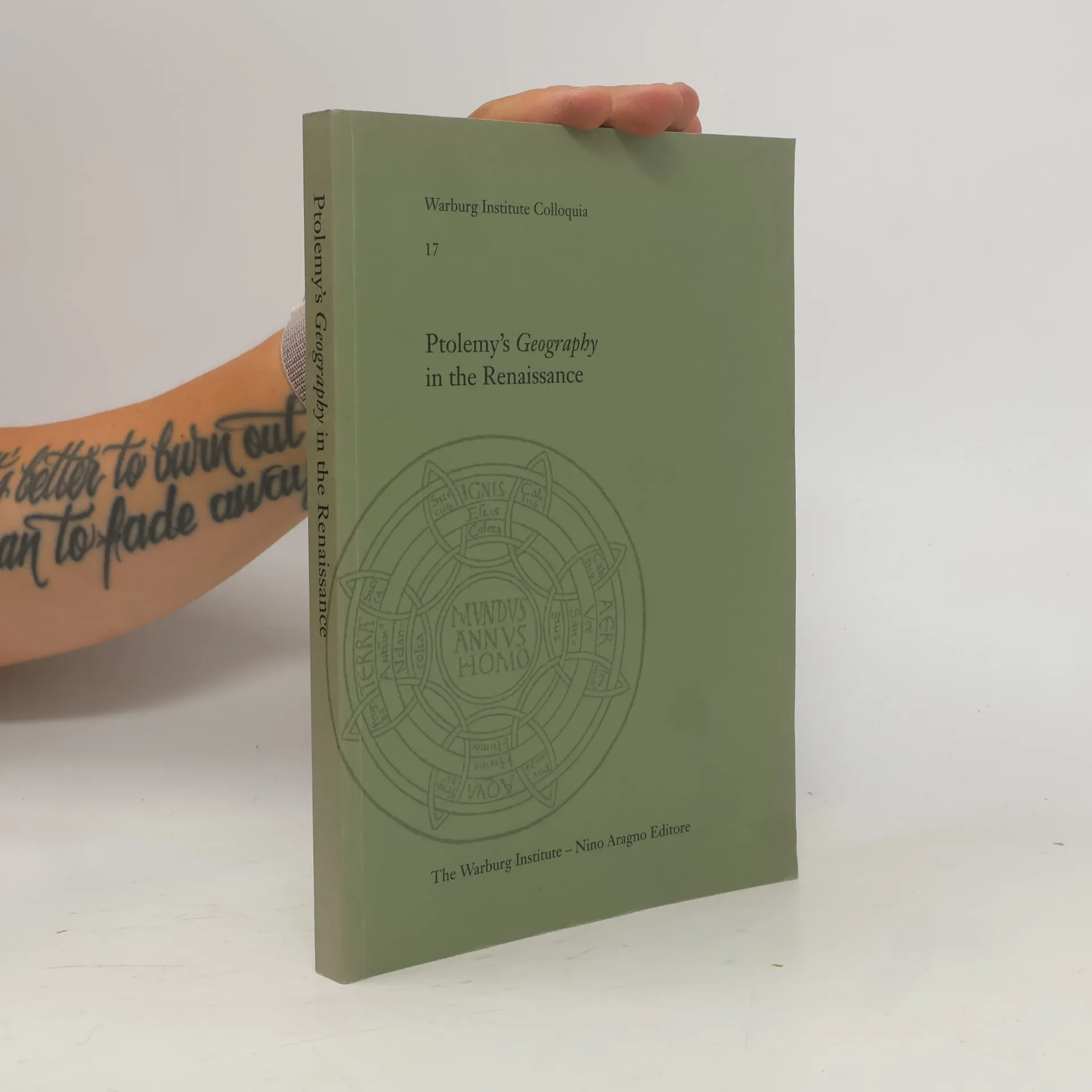
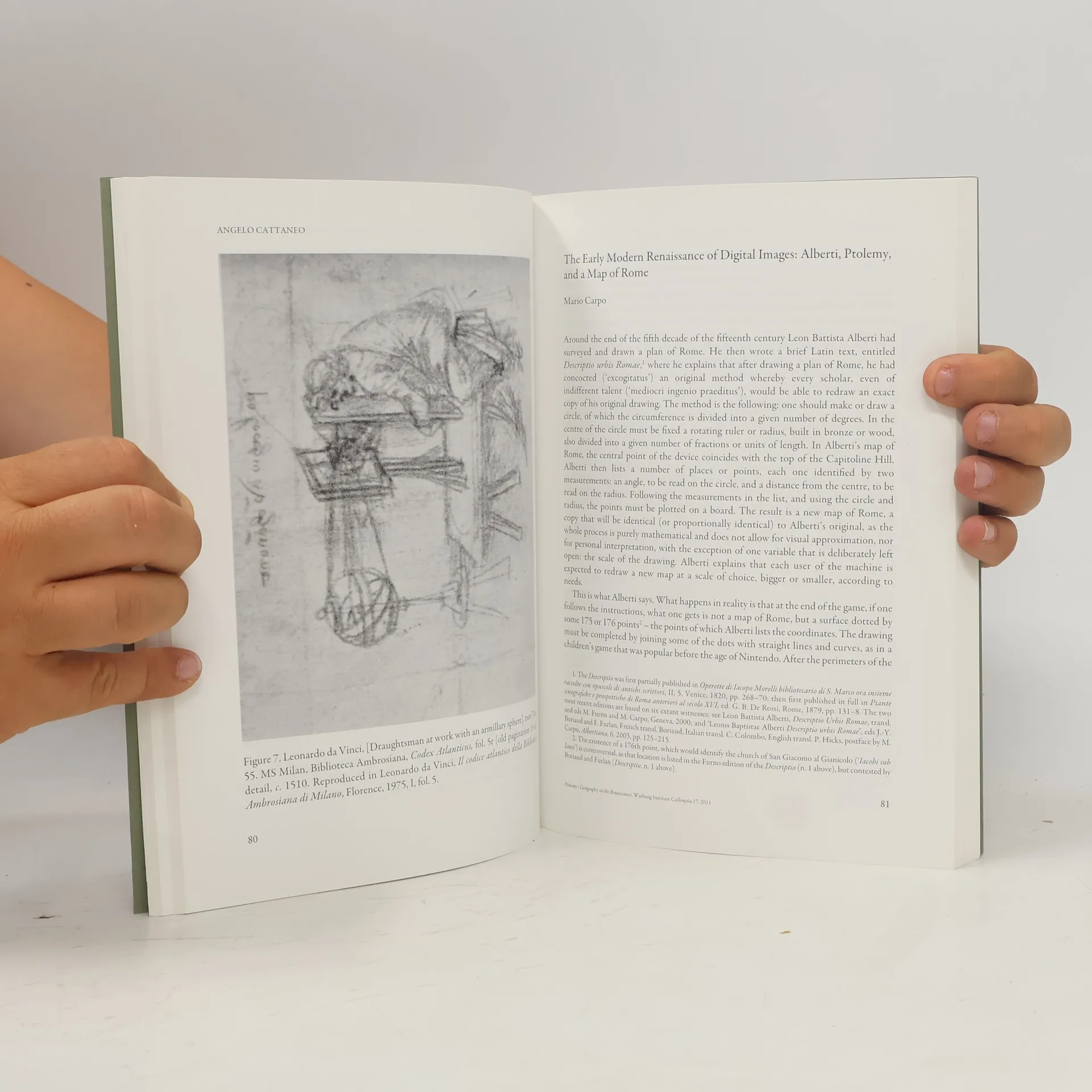
The rediscovery of Ptolemy’s Geography has long been hailed as a key moment in the emergence of Renaissance culture, symbolizing a new rational spatiality, and preparing the way for the Age of Discovery. And yet, the process of the Geography’s introduction, integration and impact in western Europe, as the essays in this volume collectively suggest, was more complex and less predictable than has been traditionally assumed. Whereas previously Ptolemy’s maps attracted most scholarly attention, in this volume the textual tradition of the Geography – Ptolemy’s text, added prefaces, annotations and treatises – stand at the centre. Bringing together a wealth of previously unexplored sources and contexts, the essays examine the Geography as it took part in and influenced diverse areas of Renaissance culture, such as visual theory and communication, humanistic philological, historical and antiquarian practices, astrology, education and religion. The emerging Geography is perhaps less revolutionary but more satisfyingly embedded into the culture that produced and used it. This volume points to new directions for the study of the remaining questions that still hover around Ptolemy’s seminal work and for the study of early modern geography as a whole.
Acquisto del libro
Warburg Institute Colloquia - 17: Ptolemy's Geography in the Renaissance, Zur Shalev, Charles S. F. Burnett
- Lingua

- Pubblicato
- 2011
- Rilegatura
- (In brossura)
Metodi di pagamento
Ancora nessuna valutazione.
- Titolo
- Warburg Institute Colloquia - 17: Ptolemy's Geography in the Renaissance
- Lingua
- Inglese
- Autori
- Zur Shalev, Charles S. F. Burnett
- Editore
- Warburg Institute
- Pubblicato
- 2011
- Formato
- In brossura
- Pagine
- 253
- ISBN10
- 0854811524
- ISBN13
- 9780854811526
- Serie
- Categoria
- Descrizione
- The rediscovery of Ptolemy’s Geography has long been hailed as a key moment in the emergence of Renaissance culture, symbolizing a new rational spatiality, and preparing the way for the Age of Discovery. And yet, the process of the Geography’s introduction, integration and impact in western Europe, as the essays in this volume collectively suggest, was more complex and less predictable than has been traditionally assumed. Whereas previously Ptolemy’s maps attracted most scholarly attention, in this volume the textual tradition of the Geography – Ptolemy’s text, added prefaces, annotations and treatises – stand at the centre. Bringing together a wealth of previously unexplored sources and contexts, the essays examine the Geography as it took part in and influenced diverse areas of Renaissance culture, such as visual theory and communication, humanistic philological, historical and antiquarian practices, astrology, education and religion. The emerging Geography is perhaps less revolutionary but more satisfyingly embedded into the culture that produced and used it. This volume points to new directions for the study of the remaining questions that still hover around Ptolemy’s seminal work and for the study of early modern geography as a whole.