

Esaurito ma molto ricercato!
Parametri
- 278pagine
- 10 ore di lettura
Maggiori informazioni sul libro
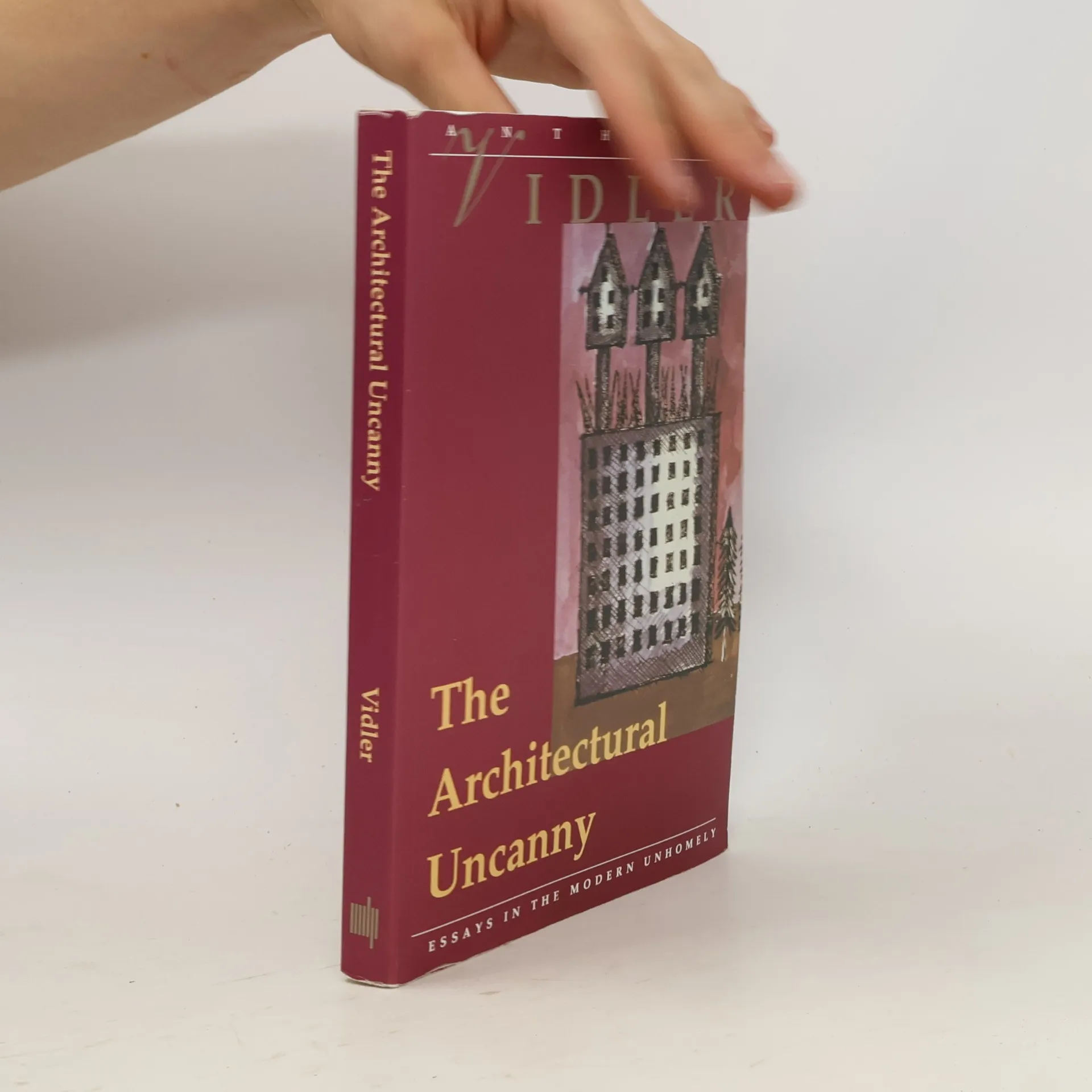
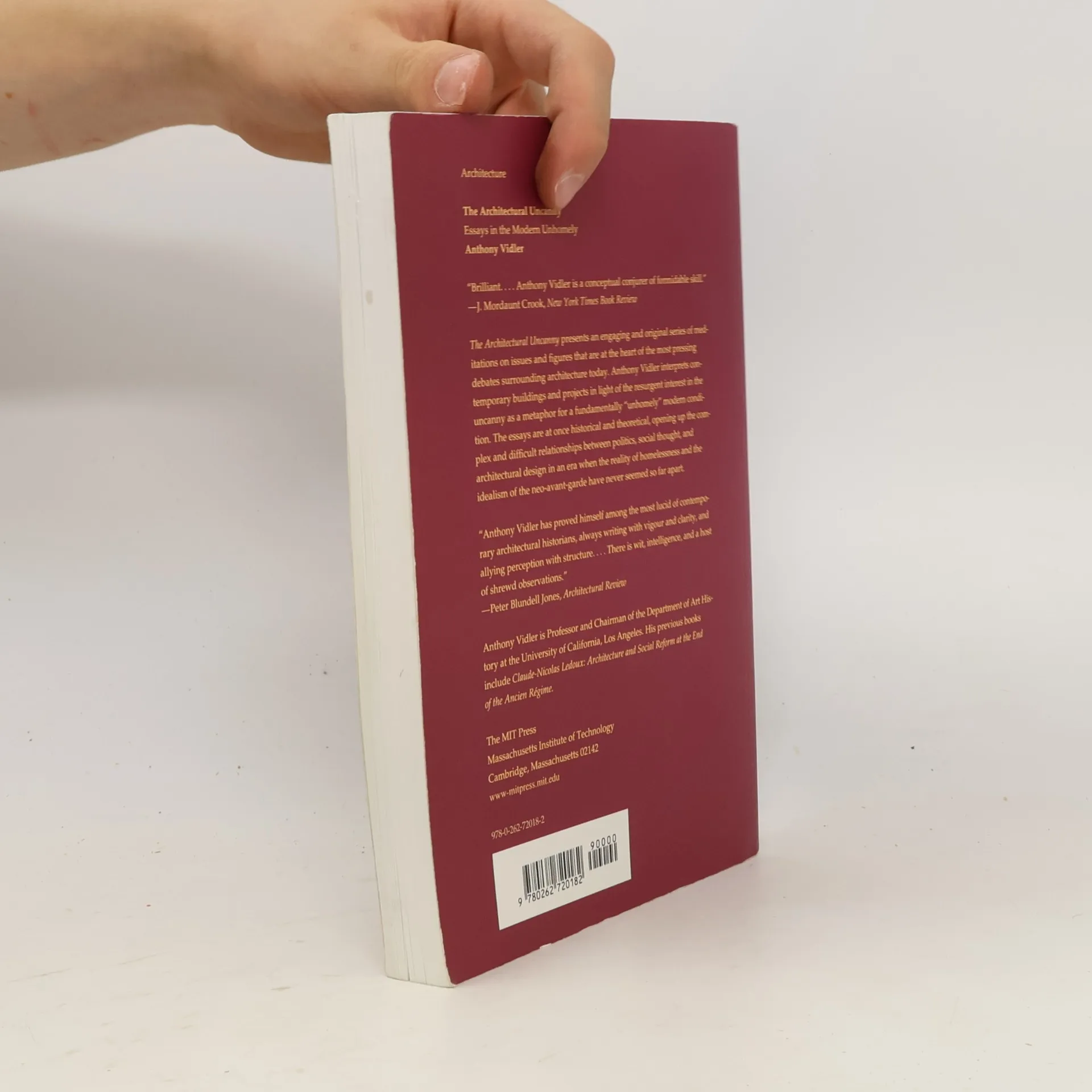
The Architectural Uncanny presents an engaging and original series of meditations on issues and figures that are at the heart of the most pressing debates surrounding architecture today. Anthony Vidler interprets contemporary buildings and projects in light of the resurgent interest in the uncanny as a metaphor for a fundamentally “unhomely” modern condition. The essays are at once historical and theoretical, opening up the complex and difficult relationships between politics, social thought, and architectural design in an era when the reality of homelessness and the idealism of the neo-avant-garde have never seemed so far apart.
Acquisto del libro
The Architectural Uncanny, Anthony Vidler
- Lingua

- Pubblicato
- 1992
- Rilegatura
- (In brossura)
Ti avviseremo via email non appena lo rintracceremo.
Metodi di pagamento
Ancora nessuna valutazione.
- Titolo
- The Architectural Uncanny
- Sottotitolo
- Essays in the Modern Unhomely
- Lingua
- Inglese
- Autori
- Anthony Vidler
- Editore
- MIT Press
- Pubblicato
- 1992
- Formato
- In brossura
- Pagine
- 278
- ISBN10
- 0262720183
- ISBN13
- 9780262720182
- Serie
- Categoria
- Tag
- Commercio, Temi psicologici, Tematica filosofica, Arte, Architettura, Famiglia, Guerre, Tematica cinematografica, Cultura e Società, Femminismo, Salute mentale, Storia d'Europa, Matrimonio, Cultura, Teorie Scientifiche, 21° Secolo, Identità, Città, Critica, Genere, Capitalismo, Bellezza, Disturbi d'ansia, Perdita di Memoria, Amnesia, Aspetti Psicologici, Teoria dell'architettura, Teoria Critica
- Descrizione
- The Architectural Uncanny presents an engaging and original series of meditations on issues and figures that are at the heart of the most pressing debates surrounding architecture today. Anthony Vidler interprets contemporary buildings and projects in light of the resurgent interest in the uncanny as a metaphor for a fundamentally “unhomely” modern condition. The essays are at once historical and theoretical, opening up the complex and difficult relationships between politics, social thought, and architectural design in an era when the reality of homelessness and the idealism of the neo-avant-garde have never seemed so far apart.