




Maggiori informazioni sul libro
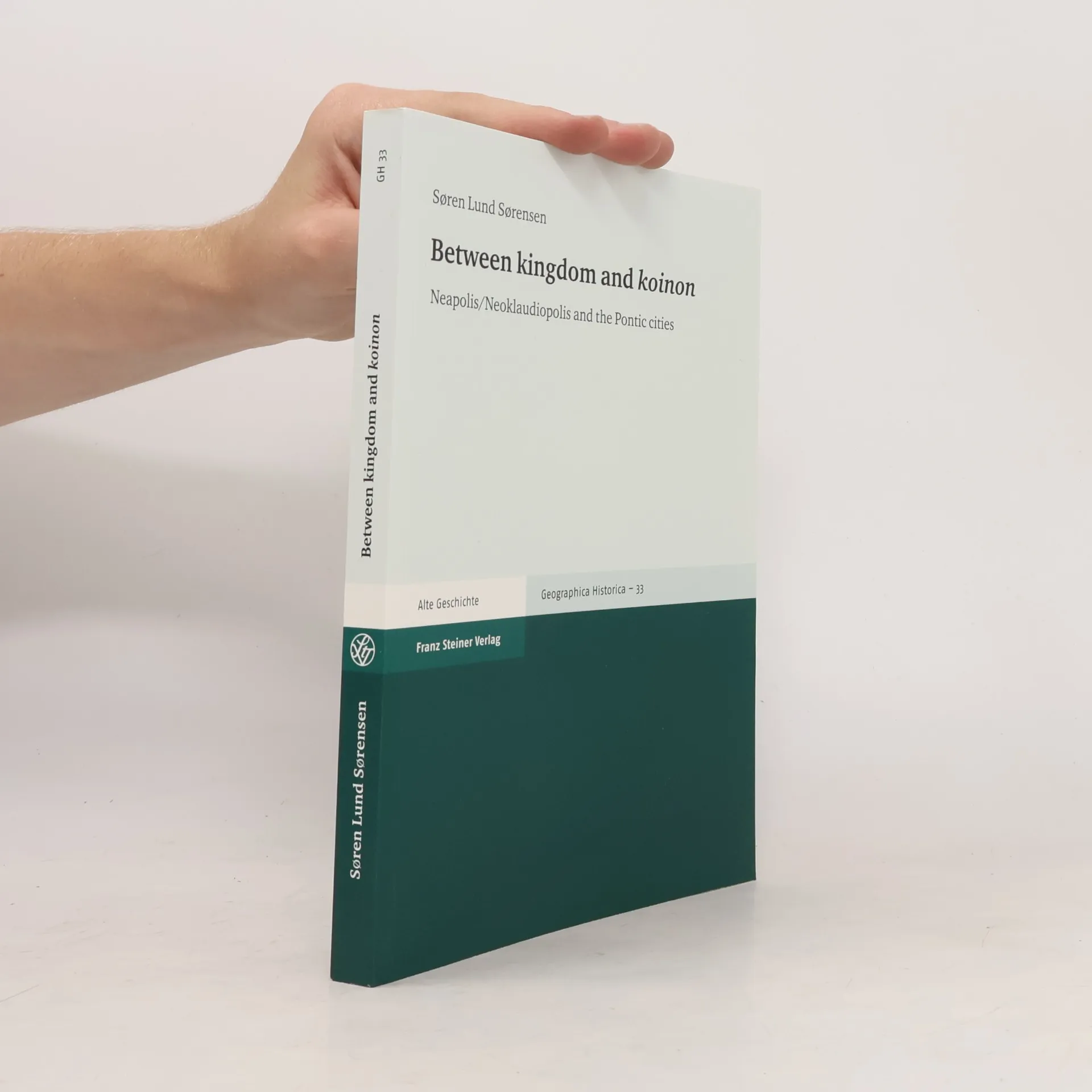
When, around 64 BC, the Romans drove out the last king of Pontos, they turned parts of his domains into a Roman province. The interior was, however, not ready for annexation, and a city-state culture was introduced, including the foundation of seven new cities in an area previously characterised by fortresses and temple states. This book surveys the development of these cities from their origins in the war-torn territories of the Pontic kingdom to the third century AD; by then they were fully incorporated in the Roman Empire. Furthermore, it places particular emphasis on one of them, Neapolis (later Neoklaudiopolis), an important but little studied city. Not only is this the first book-length study of Neapolis in its regional context, it also reassesses the many Greek and Latin inscriptions from this city and Pontos in general. Among the documents re-evaluated here is a famous imperial oath taken to the Emperor Augustus, aptly illustrating the difficult transition from a Persian-Anatolian domain to a Roman province by the means of client kings and the imperial cult.
Acquisto del libro
Geographica Historica - 33: Between Kingdom and "Koinon", Søren Lund Sørensen
- Lingua

- Pubblicato
- 2016
- Rilegatura
- (In brossura),
- Condizioni del libro
- In ottime condizioni
- Prezzo
- 16,39 €
Metodi di pagamento
Ancora nessuna valutazione.
- Titolo
- Geographica Historica - 33: Between Kingdom and "Koinon"
- Sottotitolo
- Neapolis/Neoklaudiopolis and the Pontic Cities
- Lingua
- Inglese
- Autori
- Søren Lund Sørensen
- Editore
- Franz Steiner Verlag
- Pubblicato
- 2016
- Formato
- In brossura
- Pagine
- 224
- ISBN10
- 3515113126
- ISBN13
- 9783515113120
- Serie
- Categoria
- Descrizione
- When, around 64 BC, the Romans drove out the last king of Pontos, they turned parts of his domains into a Roman province. The interior was, however, not ready for annexation, and a city-state culture was introduced, including the foundation of seven new cities in an area previously characterised by fortresses and temple states. This book surveys the development of these cities from their origins in the war-torn territories of the Pontic kingdom to the third century AD; by then they were fully incorporated in the Roman Empire. Furthermore, it places particular emphasis on one of them, Neapolis (later Neoklaudiopolis), an important but little studied city. Not only is this the first book-length study of Neapolis in its regional context, it also reassesses the many Greek and Latin inscriptions from this city and Pontos in general. Among the documents re-evaluated here is a famous imperial oath taken to the Emperor Augustus, aptly illustrating the difficult transition from a Persian-Anatolian domain to a Roman province by the means of client kings and the imperial cult.