


Parametri
- 296pagine
- 11 ore di lettura
Maggiori informazioni sul libro
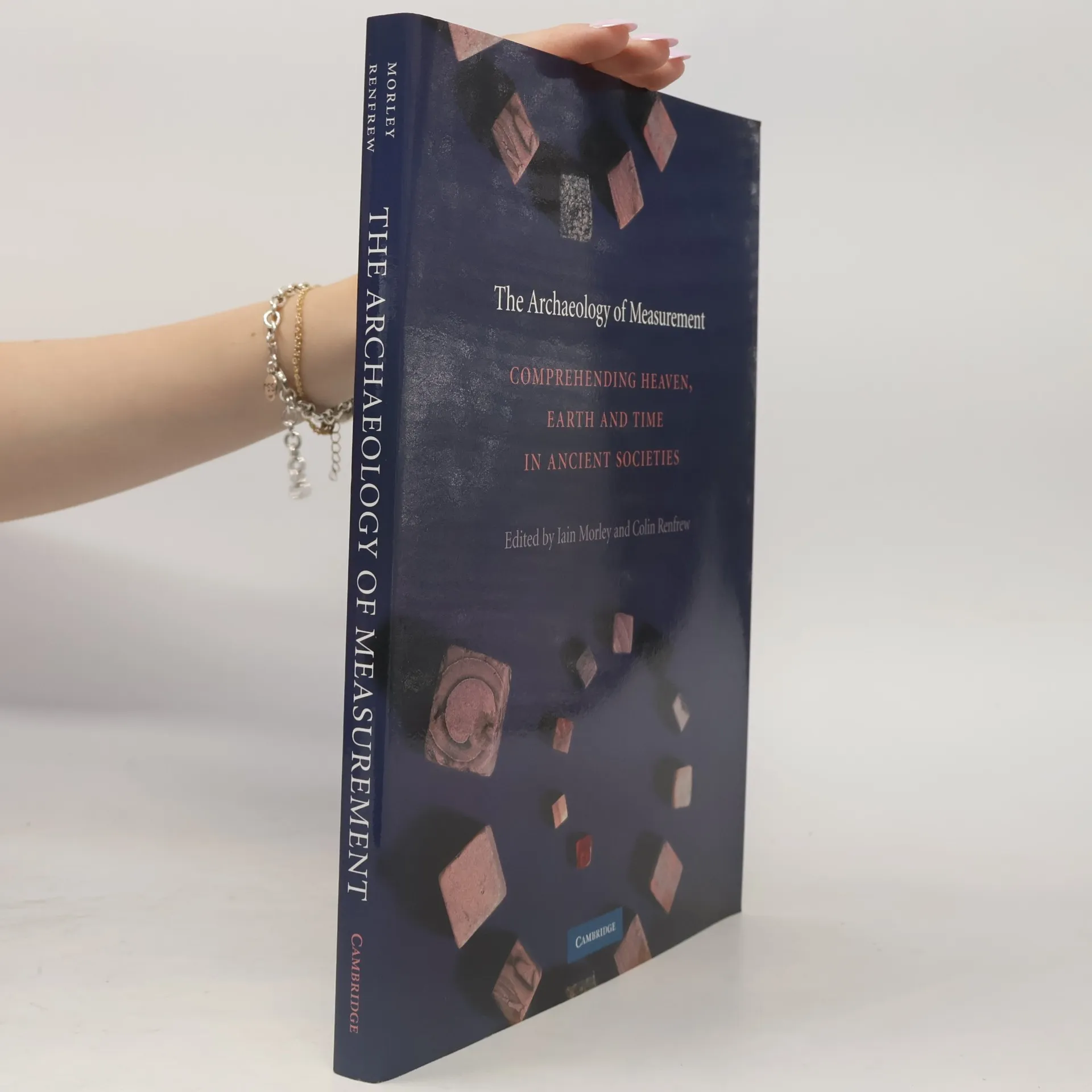
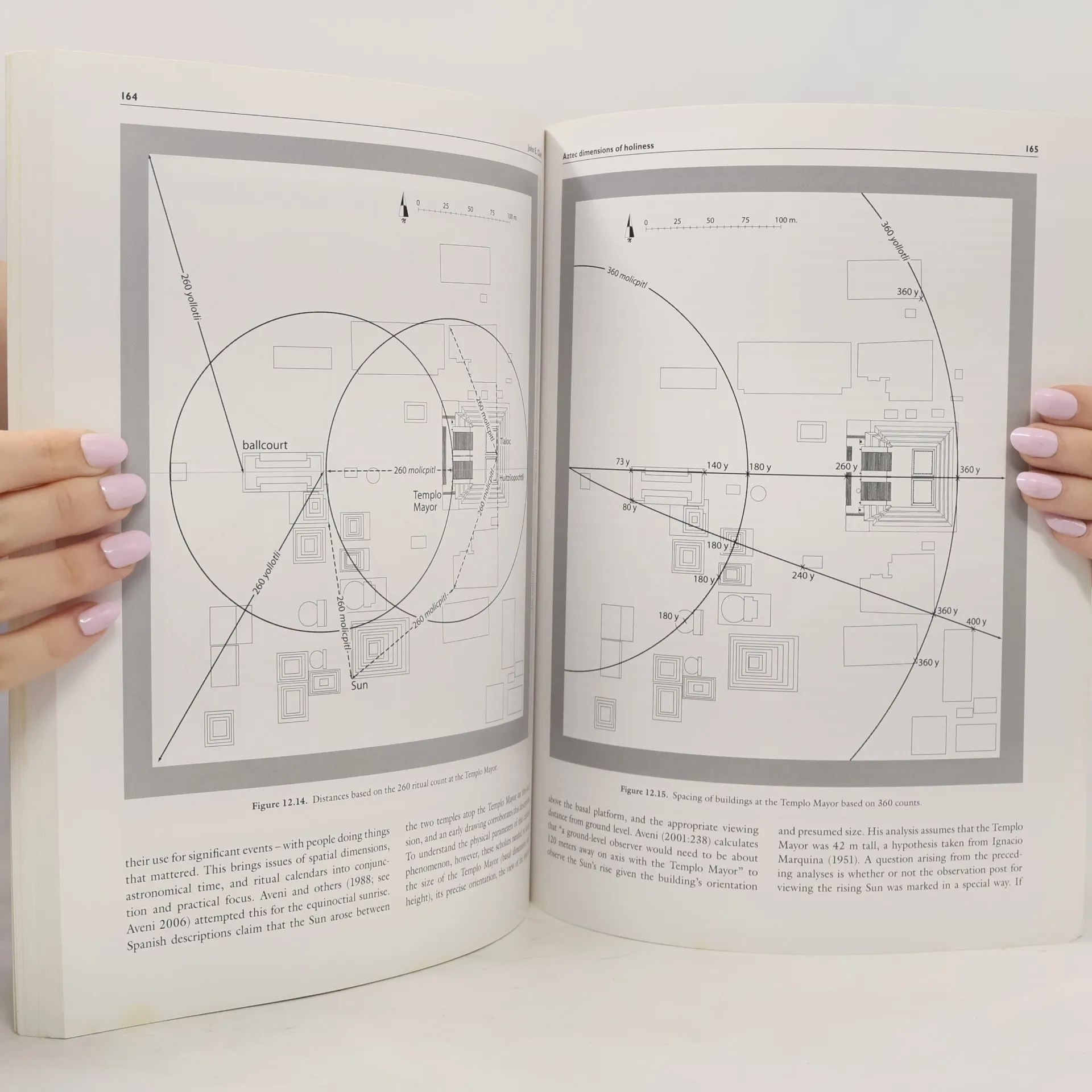
The construction of formal measurement systems is foundational to the advancement of science, technology, and economic understanding, as well as new perspectives on the world. Human societies have created these systems in diverse ways across different cultures and periods, with recent archaeological findings emphasizing their significance in fundamental aspects of life. Measurement systems have enabled new ways to engage with the material world, influencing motivations that extend beyond it. For instance, precise timekeeping has revealed patterns and causal relationships in nature. These systems have also shaped cosmological beliefs and articulated connections between human actions, the human form, and the broader universe, fostering new insights into the relationships between terrestrial events and those beyond. The exploration of archaeological evidence for measuring practices in various ancient societies sheds light on their worlds and belief systems. Contributions from esteemed scholars analyze the interplay between measurement, economy, architecture, symbolism, time, cosmology, ritual, and religion in prehistoric and early historic societies globally. This examination reveals how measurement has played a crucial role in shaping human understanding and interaction with the world.
Acquisto del libro
The Archaeology of Measurement, Iain Morley, Colin Renfrew
- Lingua

- Pubblicato
- 2010
- Rilegatura
- (In brossura)
Metodi di pagamento
Ancora nessuna valutazione.
- Titolo
- The Archaeology of Measurement
- Sottotitolo
- Comprehending Heaven, Earth and Time in Ancient Societies
- Lingua
- Inglese
- Autori
- Iain Morley, Colin Renfrew
- Editore
- Cambridge University Press
- Pubblicato
- 2010
- Formato
- In brossura
- Pagine
- 296
- ISBN10
- 0521135885
- ISBN13
- 9780521135887
- Serie
- Categoria
- Descrizione
- The construction of formal measurement systems is foundational to the advancement of science, technology, and economic understanding, as well as new perspectives on the world. Human societies have created these systems in diverse ways across different cultures and periods, with recent archaeological findings emphasizing their significance in fundamental aspects of life. Measurement systems have enabled new ways to engage with the material world, influencing motivations that extend beyond it. For instance, precise timekeeping has revealed patterns and causal relationships in nature. These systems have also shaped cosmological beliefs and articulated connections between human actions, the human form, and the broader universe, fostering new insights into the relationships between terrestrial events and those beyond. The exploration of archaeological evidence for measuring practices in various ancient societies sheds light on their worlds and belief systems. Contributions from esteemed scholars analyze the interplay between measurement, economy, architecture, symbolism, time, cosmology, ritual, and religion in prehistoric and early historic societies globally. This examination reveals how measurement has played a crucial role in shaping human understanding and interaction with the world.