

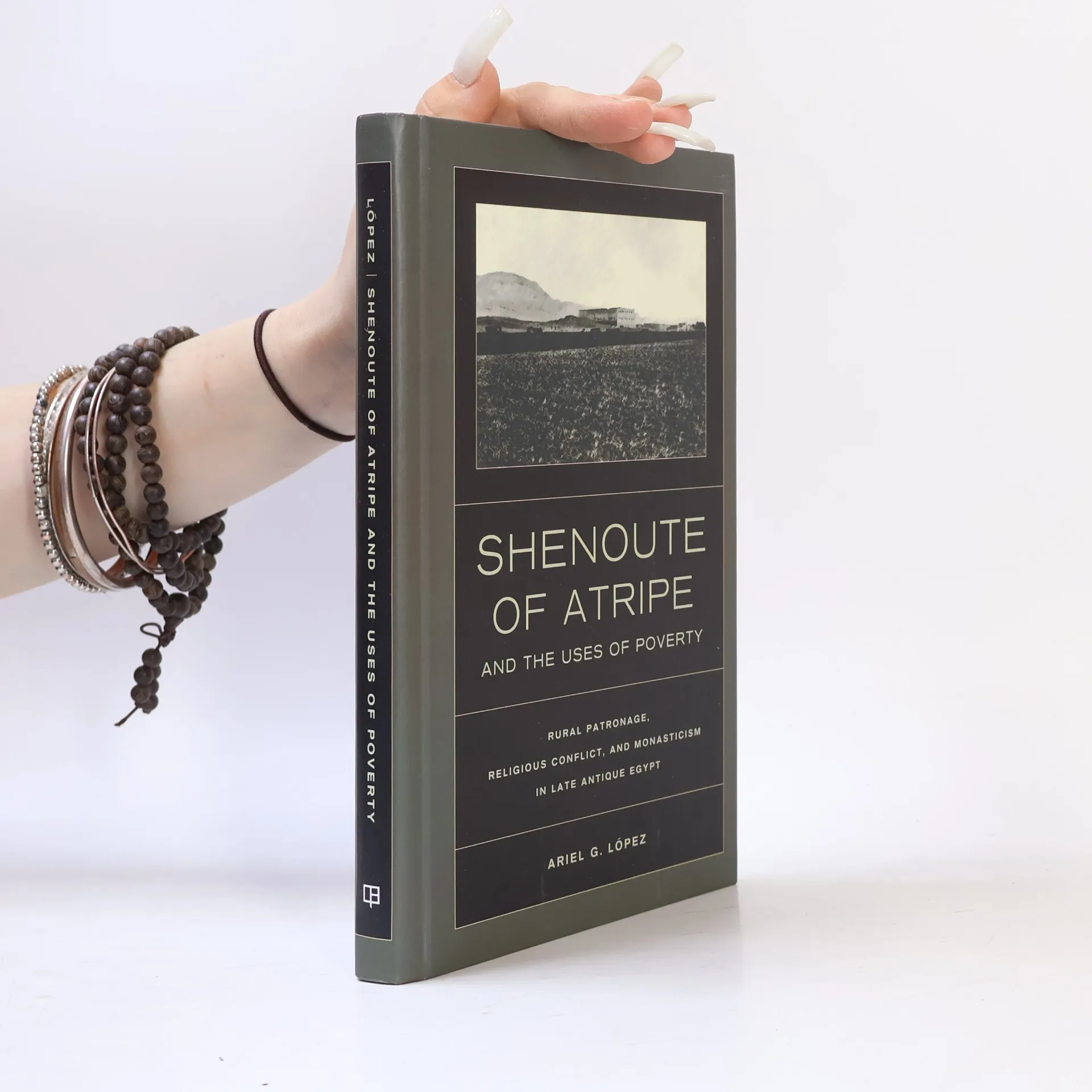


Maggiori informazioni sul libro
Shenoute of stern abbot, loquacious preacher, patron of the poor and scourge of pagans in fifth-century Egypt. This book studies his numerous Coptic writings and finds them to be the most important literary source for the study of society, economy and religion in late antique Egypt. The issues and concerns Shenoute grappled with on a daily basis, Ariel Lopez argues, were not local problems, unique to one small corner of the ancient world. Rather, they are crucial to interpreting late antiquity as a historical period―rural patronage, religious intolerance, the Christian care of the poor and the local impact of the late Roman state. His little known writings provide us not only with a rare opportunity to see the life of a holy man as he himself saw it, but also with a privileged window into his world. Lopez brings Shenoute to prominence as witness of and participant in the major transformations of his time.
Acquisto del libro
Shenoute of Atripe and the Uses of Poverty, Ariel G. López
- Lingua

- Pubblicato
- 2013
- Rilegatura
- (Copertina rigida)
Metodi di pagamento
Ancora nessuna valutazione.
- Titolo
- Shenoute of Atripe and the Uses of Poverty
- Sottotitolo
- Rural Patronage, Religious Conflict, and Monasticism in Late Antique Egypt
- Lingua
- Inglese
- Autori
- Ariel G. López
- Pubblicato
- 2013
- Formato
- Copertina rigida
- Pagine
- 254
- ISBN10
- 0520274830
- ISBN13
- 9780520274839
- Serie
- Tag
- Tema stórico, Temi religiosi, Spiritualità e Religione, Temi cristiani, Società, Tempi antichi, Archeologia, Ispirazione, Egitto, Pagani, paganismo, Nord Africa, Monaci, Storia del cristianesimo, Antichità tardiva, Intolleranza religiosa
- Descrizione
- Shenoute of stern abbot, loquacious preacher, patron of the poor and scourge of pagans in fifth-century Egypt. This book studies his numerous Coptic writings and finds them to be the most important literary source for the study of society, economy and religion in late antique Egypt. The issues and concerns Shenoute grappled with on a daily basis, Ariel Lopez argues, were not local problems, unique to one small corner of the ancient world. Rather, they are crucial to interpreting late antiquity as a historical period―rural patronage, religious intolerance, the Christian care of the poor and the local impact of the late Roman state. His little known writings provide us not only with a rare opportunity to see the life of a holy man as he himself saw it, but also with a privileged window into his world. Lopez brings Shenoute to prominence as witness of and participant in the major transformations of his time.