

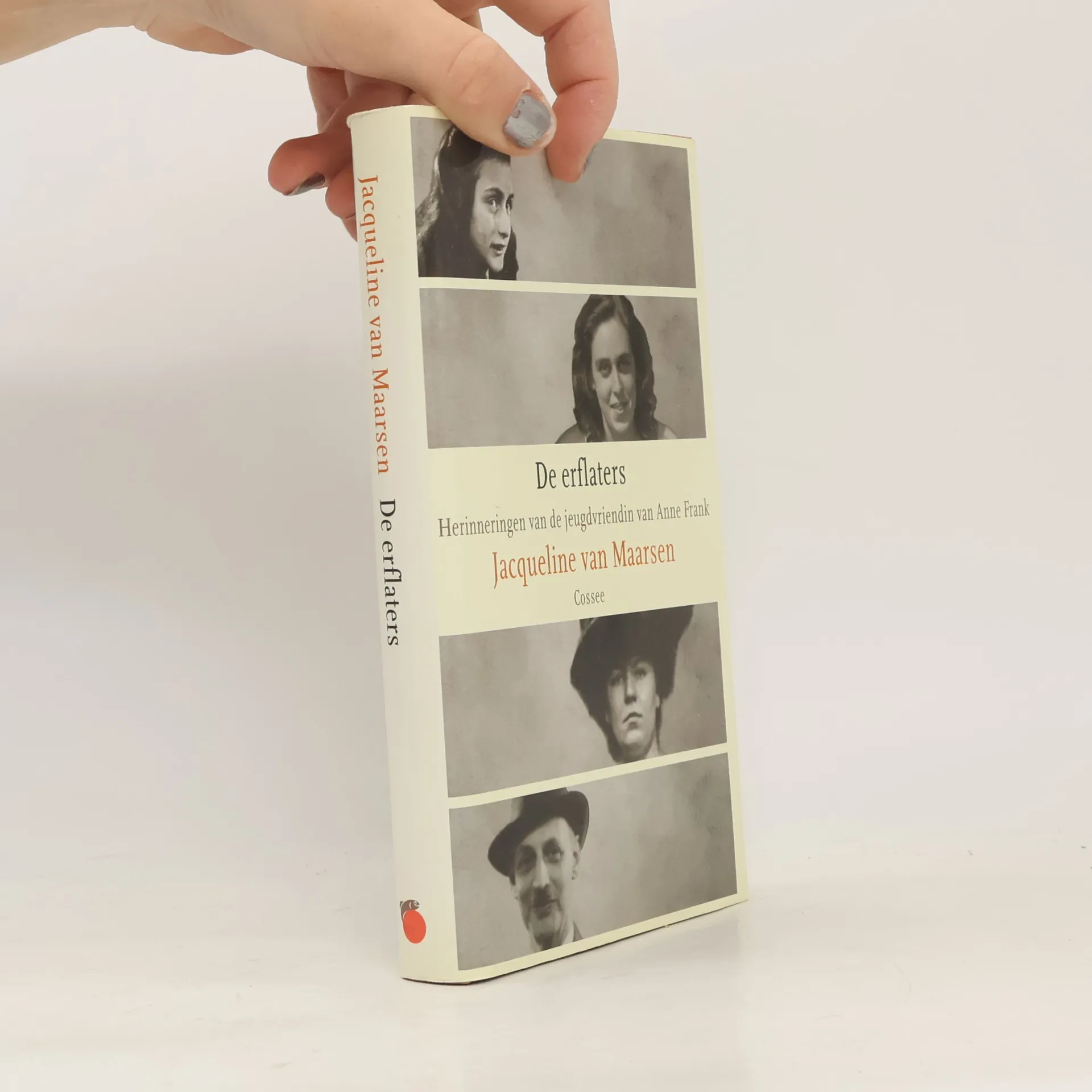

De erflaters
Autori
Maggiori informazioni sul libro
In this follow-up to her previous memoir, Anne Frank’s childhood friend, Jacqueline van Maarsen, focuses on the reception of Anne’s legacy by her contemporaries and the inevitable commercialization of that legacy of which she is boldly critical. Running throughout the narrative is a literary parallel with an inheritance question that dominated a significant portion of van Maarsen's life and that of her mother's—a courageous woman who confronted the Nazis in Amsterdam and saved her two daughters from the concentration camps by providing evidence of their non-Jewish status. This story documents how both the van Maarsen family inheritance and the inheritance left by Anne Frank became the subject of unwarranted and tragic exploitation by outsiders, often with those charged with guarding both legacies turning a blind eye to the truth. The narrative also provides a subtle commentary on memory and the effects of time. In interweaving personal memories of her own childhood and early adult life with personal memories of Anne Frank and the use and abuse of her legacy, van Maarsen demonstrates how time filters what individuals inherit from their past, sometimes creating parallel worlds in which the historical truth loses significance, pushed aside by dreams of personal status and financial gain.
Acquisto del libro
De erflaters, Jacqueline van Maarsen
- Lingua

- Pubblicato
- 2004
- Rilegatura
- (Copertina rigida),
- Condizioni del libro
- In ottime condizioni
- Prezzo
- 2,39 €
Metodi di pagamento
Ancora nessuna valutazione.
- Titolo
- De erflaters
- Lingua
- Olandese
- Autori
- Jacqueline van Maarsen
- Editore
- Cossee
- Pubblicato
- 2004
- Formato
- Copertina rigida
- Pagine
- 191
- ISBN10
- 9059360575
- ISBN13
- 9789059360570
- Serie
- Descrizione
- In this follow-up to her previous memoir, Anne Frank’s childhood friend, Jacqueline van Maarsen, focuses on the reception of Anne’s legacy by her contemporaries and the inevitable commercialization of that legacy of which she is boldly critical. Running throughout the narrative is a literary parallel with an inheritance question that dominated a significant portion of van Maarsen's life and that of her mother's—a courageous woman who confronted the Nazis in Amsterdam and saved her two daughters from the concentration camps by providing evidence of their non-Jewish status. This story documents how both the van Maarsen family inheritance and the inheritance left by Anne Frank became the subject of unwarranted and tragic exploitation by outsiders, often with those charged with guarding both legacies turning a blind eye to the truth. The narrative also provides a subtle commentary on memory and the effects of time. In interweaving personal memories of her own childhood and early adult life with personal memories of Anne Frank and the use and abuse of her legacy, van Maarsen demonstrates how time filters what individuals inherit from their past, sometimes creating parallel worlds in which the historical truth loses significance, pushed aside by dreams of personal status and financial gain.