


Maggiori informazioni sul libro
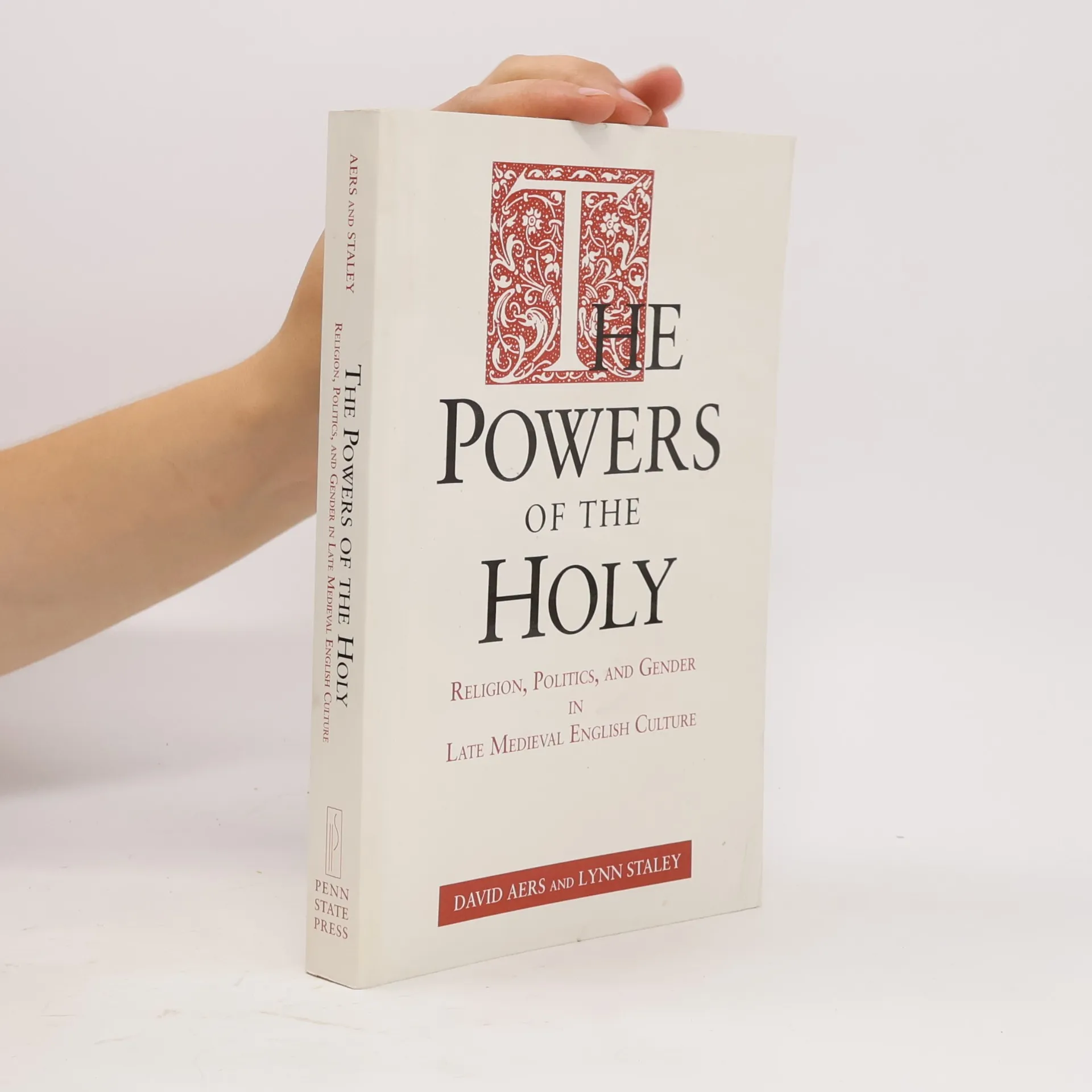
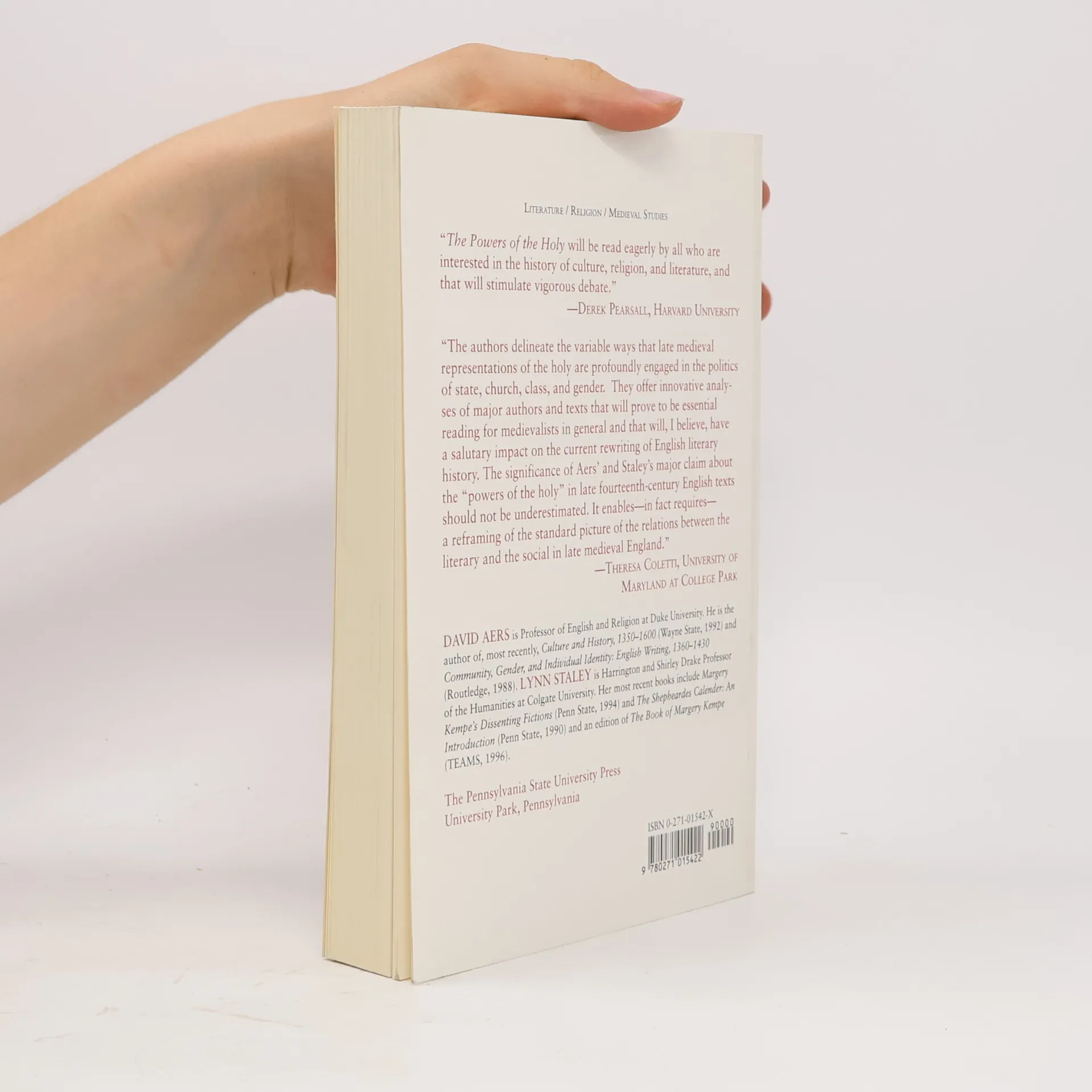
The Powers of the Holy examines the interplay between Christian devotion and social-political relations in late fourteenth-century England. David Aers and Lynn Staley analyze a variety of texts to reveal the nuanced ways writers engaged with their context. Aers focuses on representations of Christ's humanity, exploring the spiritual and political implications of various interpretations during this period, while addressing gender and power issues raised by scholars like Caroline Walker Bynum. He examines conventional devotional texts, Wycliffite writings, Langland's Piers Plowman, and Julian of Norwich's Revelation. Staley, on the other hand, highlights Julian of Norwich and Geoffrey Chaucer, two distinct voices navigating and challenging dominant conventions of power. Despite their differences, both authors engage in the contemporary discourse on power and authority, using the language of sanctity. The work illustrates how medieval efforts to address a crisis in legitimizing authority intersected with conflicting notions of Christian sanctity, demonstrating the politicization of spiritual matters. This study promotes methodologies that integrate the analysis of devotion, ecclesiastical and secular politics, and gender, paving the way for future scholarship in the field.
Acquisto del libro
The Powers of the Holy, David Aers, Lynn Staley
- Lingua

- Pubblicato
- 1996
- Rilegatura
- (In brossura),
- Condizioni del libro
- In buone condizioni
- Prezzo
- 4,49 €
Metodi di pagamento
Ancora nessuna valutazione.
- Titolo
- The Powers of the Holy
- Sottotitolo
- Religion, Politics, and Gender in Late Medieval English Culture
- Lingua
- Inglese
- Autori
- David Aers, Lynn Staley
- Editore
- Penn State University Press
- Pubblicato
- 1996
- Formato
- In brossura
- Pagine
- 320
- ISBN10
- 027101542X
- ISBN13
- 9780271015422
- Serie
- Categoria
- Tag
- Descrizione
- The Powers of the Holy examines the interplay between Christian devotion and social-political relations in late fourteenth-century England. David Aers and Lynn Staley analyze a variety of texts to reveal the nuanced ways writers engaged with their context. Aers focuses on representations of Christ's humanity, exploring the spiritual and political implications of various interpretations during this period, while addressing gender and power issues raised by scholars like Caroline Walker Bynum. He examines conventional devotional texts, Wycliffite writings, Langland's Piers Plowman, and Julian of Norwich's Revelation. Staley, on the other hand, highlights Julian of Norwich and Geoffrey Chaucer, two distinct voices navigating and challenging dominant conventions of power. Despite their differences, both authors engage in the contemporary discourse on power and authority, using the language of sanctity. The work illustrates how medieval efforts to address a crisis in legitimizing authority intersected with conflicting notions of Christian sanctity, demonstrating the politicization of spiritual matters. This study promotes methodologies that integrate the analysis of devotion, ecclesiastical and secular politics, and gender, paving the way for future scholarship in the field.