


Maggiori informazioni sul libro
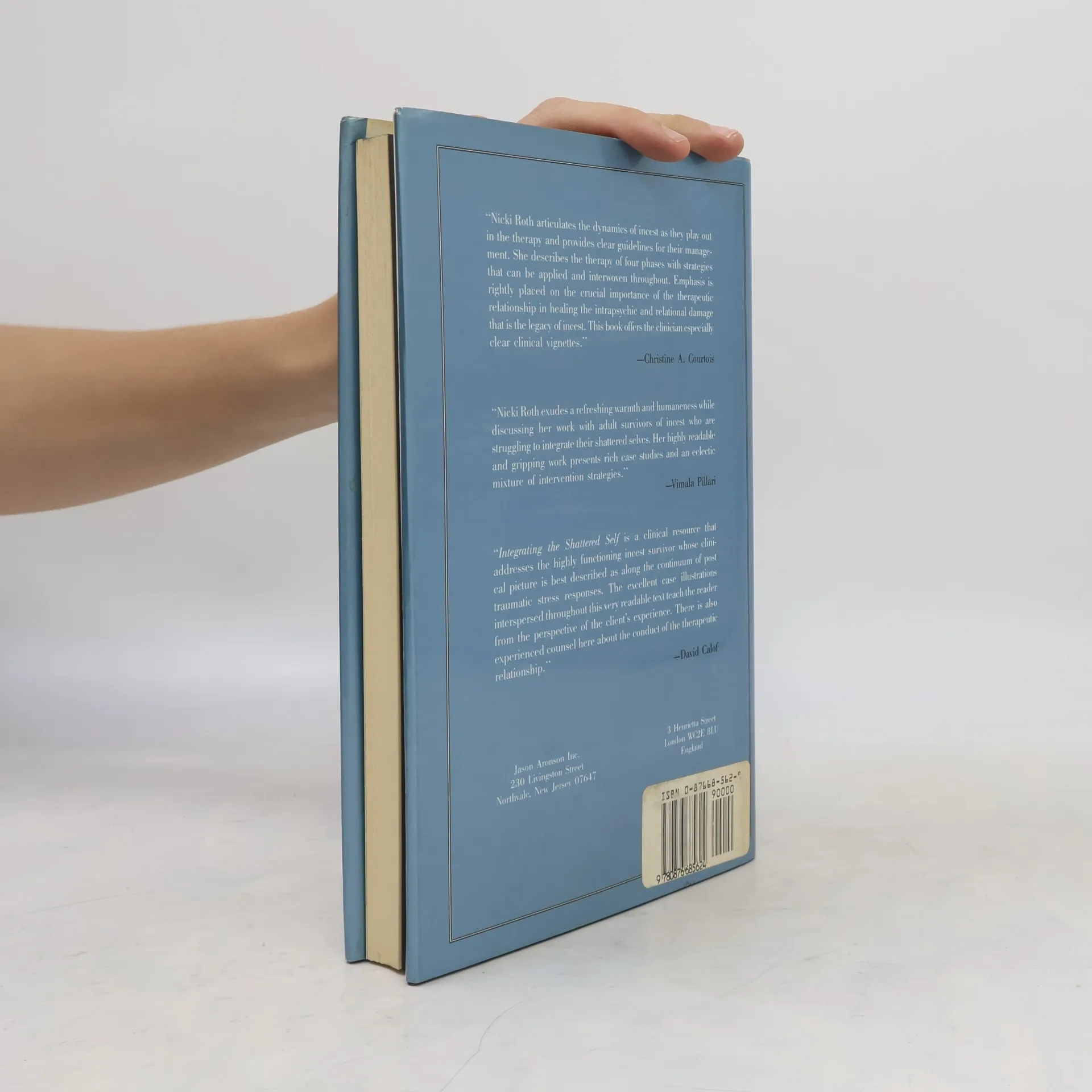
Integrating the Shattered Self provides therapists with a comprehensive guide for treating adult incest survivors, outlining treatment strategies and phases of recovery while detailing characteristic client responses. It emphasizes the unique defenses, strengths, and needs of incest survivors, helping therapists respect each client's coping style. Roth organizes therapy into four distinct phases: validation, developing a new worldview, emotional flooding, and ultimately, new hope and termination. Each phase is accompanied by detailed descriptions of client experiences and appropriate therapeutic responses, encouraging clinicians to be creative in their approach. The book addresses complex issues such as current family dynamics, guiding therapists in fostering healthy relationships with family members and partners. It covers critical topics like confrontation and forgiveness, essential for the healing process. Given the emotional intensity and complexity of incest treatment, the therapist's confidence, comfort, and boundaries are crucial. The text warns against allowing personal agendas to influence therapy, which can skew the client's journey. Overall, the book presents a respectful and hopeful perspective on survivors, affirming that with the right therapeutic understanding, full recovery is attainable. It highlights the intensive, long-term nature of this work, promising significant rewards for both clients and therapists.
Acquisto del libro
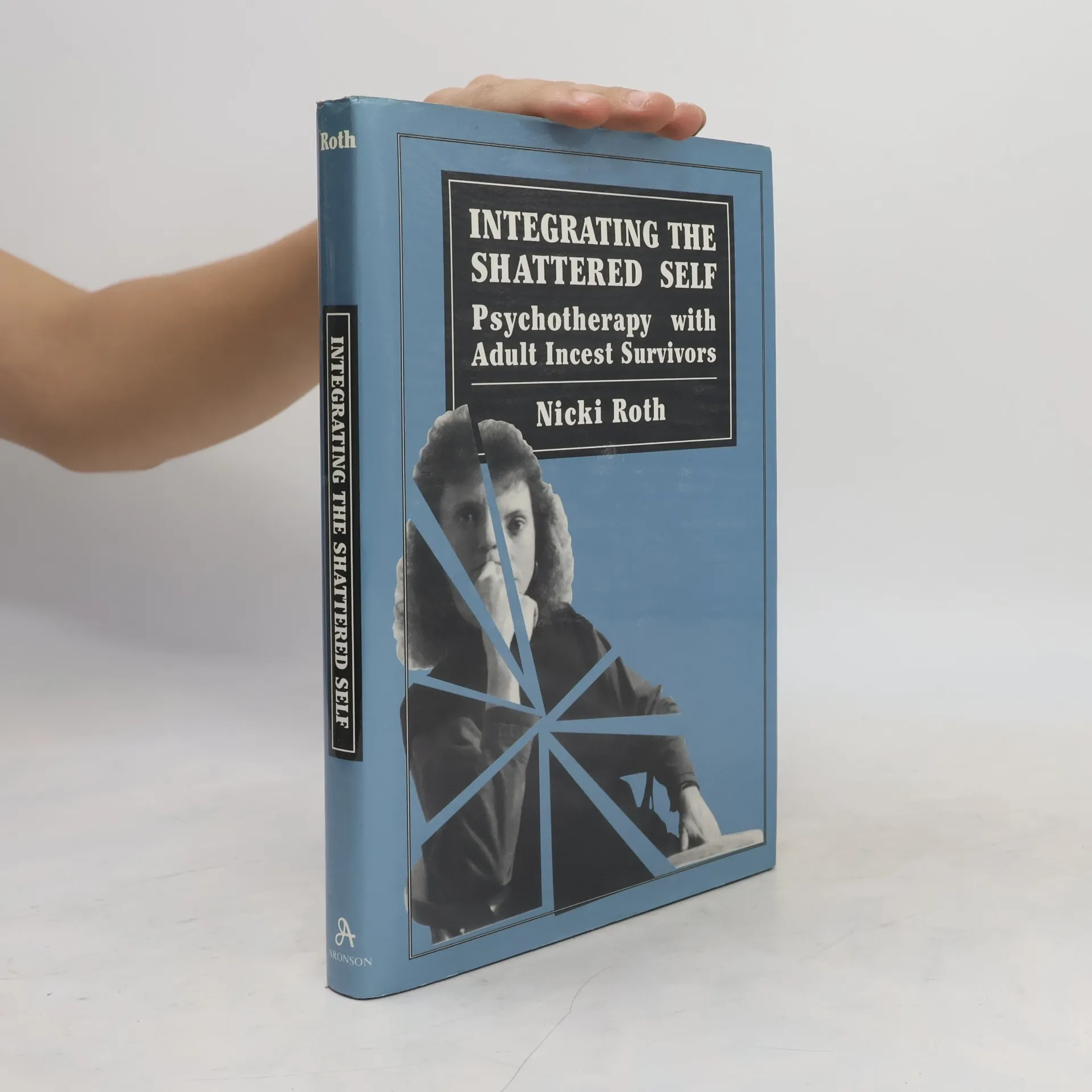
Integrating the Shattered Self, Nicki Roth
- Lingua

- Pubblicato
- 1993
- Rilegatura
- (Copertina rigida),
- Condizioni del libro
- In buone condizioni
- Prezzo
- 5,69 €
Metodi di pagamento
Ancora nessuna valutazione.
- Titolo
- Integrating the Shattered Self
- Sottotitolo
- Psychotherapy With Adult Incest Survivors
- Lingua
- Inglese
- Autori
- Nicki Roth
- Editore
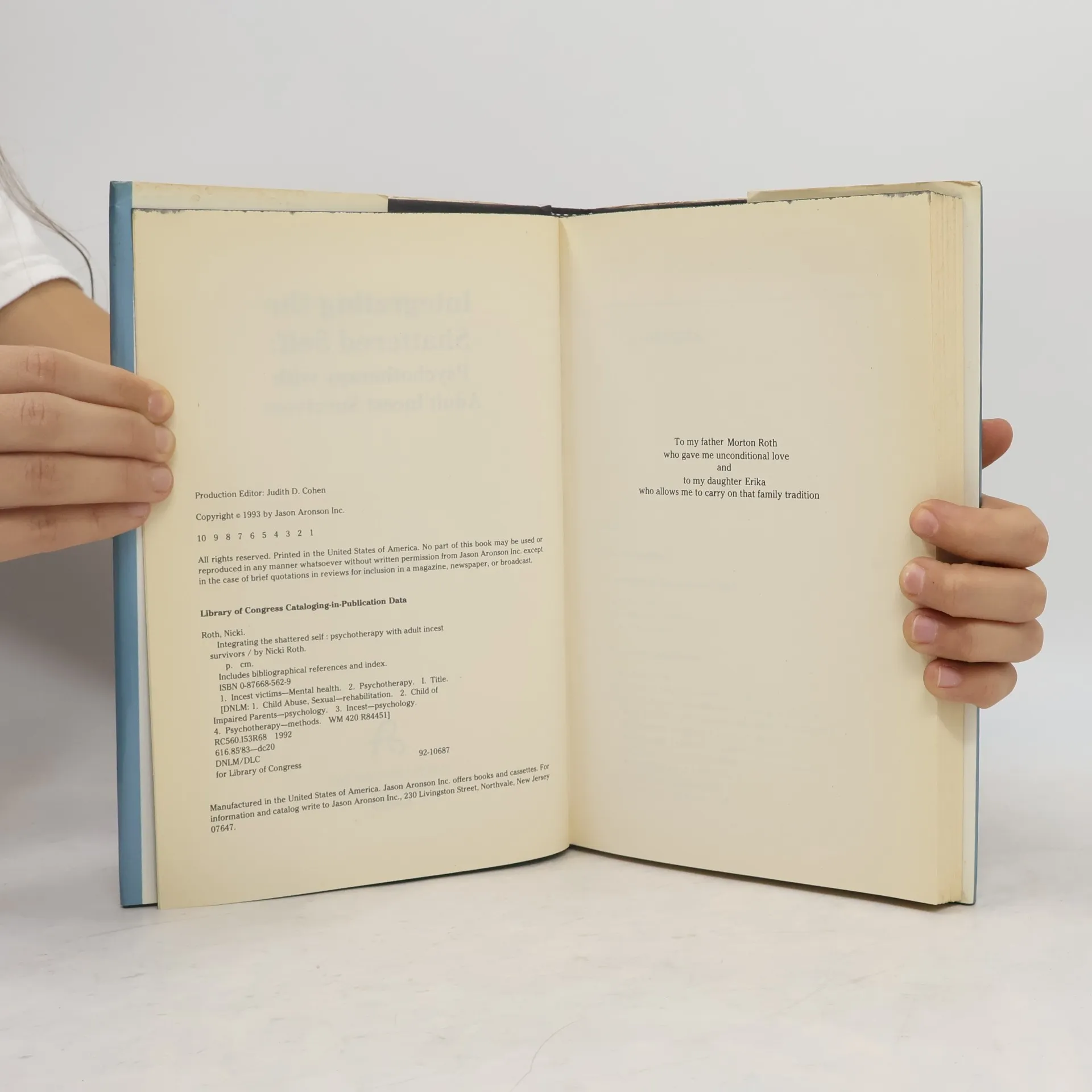
- Jason Aronson, Inc.
- Pubblicato
- 1993
- Formato
- Copertina rigida
- Pagine
- 200
- ISBN10
- 0876685629
- ISBN13
- 9780876685624
- Serie
- Categoria
- Descrizione
- Integrating the Shattered Self provides therapists with a comprehensive guide for treating adult incest survivors, outlining treatment strategies and phases of recovery while detailing characteristic client responses. It emphasizes the unique defenses, strengths, and needs of incest survivors, helping therapists respect each client's coping style. Roth organizes therapy into four distinct phases: validation, developing a new worldview, emotional flooding, and ultimately, new hope and termination. Each phase is accompanied by detailed descriptions of client experiences and appropriate therapeutic responses, encouraging clinicians to be creative in their approach. The book addresses complex issues such as current family dynamics, guiding therapists in fostering healthy relationships with family members and partners. It covers critical topics like confrontation and forgiveness, essential for the healing process. Given the emotional intensity and complexity of incest treatment, the therapist's confidence, comfort, and boundaries are crucial. The text warns against allowing personal agendas to influence therapy, which can skew the client's journey. Overall, the book presents a respectful and hopeful perspective on survivors, affirming that with the right therapeutic understanding, full recovery is attainable. It highlights the intensive, long-term nature of this work, promising significant rewards for both clients and therapists.