



Maggiori informazioni sul libro
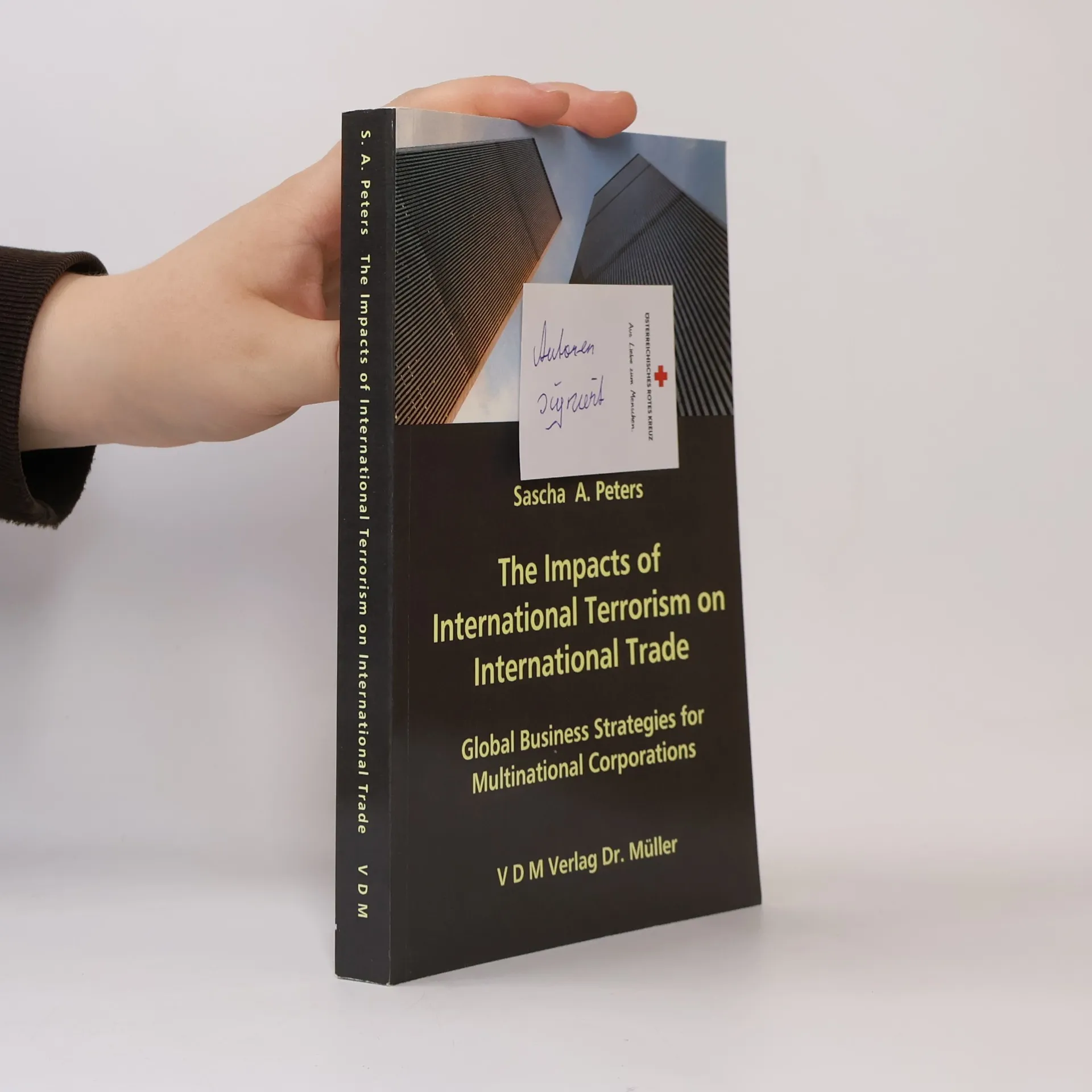
On September 11, four U.S. planes hijacked by terrorists crashed in New York, Washington, and Pennsylvania, killing over 3,000 people in hours. This marked the onset of a traumatic era where terrorism affected the daily lives of millions in the U.S. and globally. The subsequent heightened security measures led to significant delays at borders and airports, disrupting industries reliant on travel and international trade. The book explores the impacts of terrorism on international trade and its influence on the strategic management decisions of Multinational Corporations (MNCs). It analyzes various types and causes of terrorism, outlines potential policy responses, and identifies trends and future patterns. Additionally, it examines the relationship between terrorism and international trade, highlighting how increased security concerns affect trade dynamics. The book also discusses the implications of terrorism for MNCs and strategies for coping with these challenges on both strategic and organizational levels. This comprehensive work will appeal to researchers in international trade and management, trade association representatives, economic policymakers, security managers, consultants, and executives.
Acquisto del libro
The impacts of international terrorism on international trade, Sascha A. Peters
- Lingua

- Pubblicato
- 2006
- Rilegatura
- (In brossura),
- Condizioni del libro
- In ottime condizioni
- Prezzo
- 8,62 €
Metodi di pagamento
Ancora nessuna valutazione.
- Titolo
- The impacts of international terrorism on international trade
- Sottotitolo
- Global Business Strategies for Multinational Corporations
- Lingua
- Inglese
- Autori
- Sascha A. Peters
- Editore
- VDM, Müller
- Pubblicato
- 2006
- Formato
- In brossura
- Pagine
- 180
- ISBN10
- 3865501281
- ISBN13
- 9783865501288
- Serie
- Descrizione
- On September 11, four U.S. planes hijacked by terrorists crashed in New York, Washington, and Pennsylvania, killing over 3,000 people in hours. This marked the onset of a traumatic era where terrorism affected the daily lives of millions in the U.S. and globally. The subsequent heightened security measures led to significant delays at borders and airports, disrupting industries reliant on travel and international trade. The book explores the impacts of terrorism on international trade and its influence on the strategic management decisions of Multinational Corporations (MNCs). It analyzes various types and causes of terrorism, outlines potential policy responses, and identifies trends and future patterns. Additionally, it examines the relationship between terrorism and international trade, highlighting how increased security concerns affect trade dynamics. The book also discusses the implications of terrorism for MNCs and strategies for coping with these challenges on both strategic and organizational levels. This comprehensive work will appeal to researchers in international trade and management, trade association representatives, economic policymakers, security managers, consultants, and executives.