

Parametri
- 181pagine
- 7 ore di lettura
Maggiori informazioni sul libro
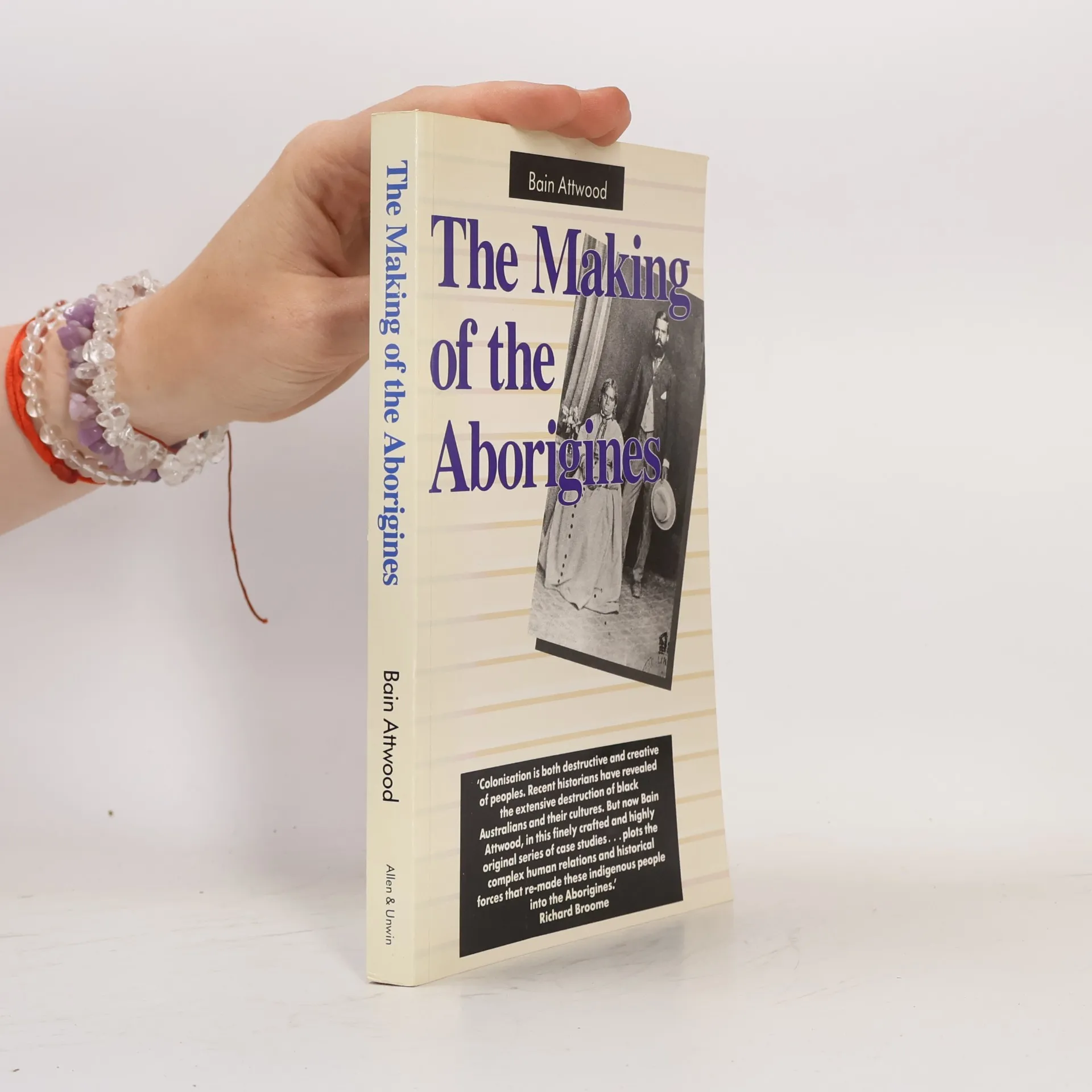
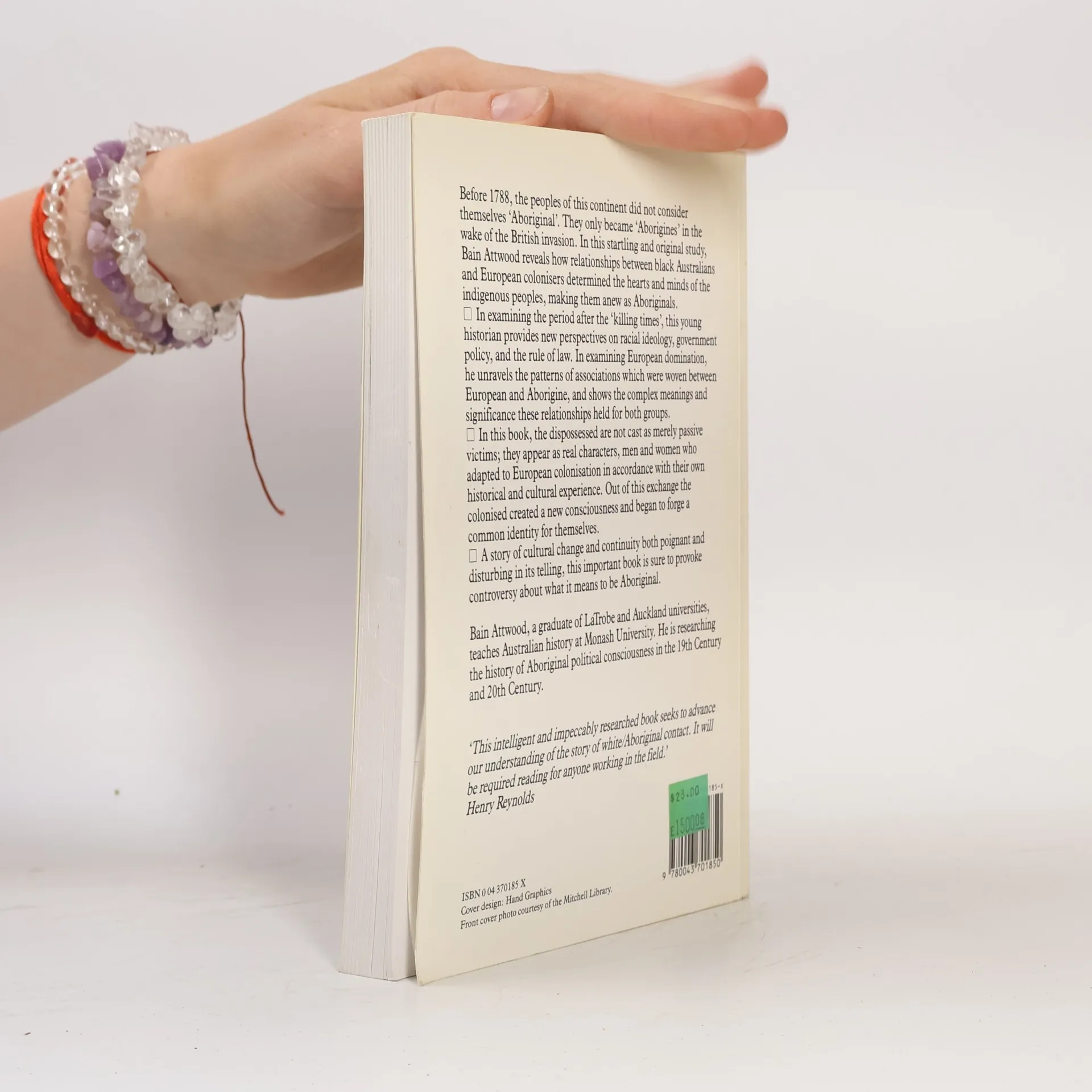
Before 1788, the peoples of this continent did not identify as 'Aboriginal'; this identity emerged following the British invasion. In this original study, Bain Attwood explores how the interactions between black Australians and European colonisers reshaped the indigenous peoples' identities. Focusing on the period after the 'killing times', Attwood offers new insights into racial ideology, government policy, and the rule of law. He examines European domination and the intricate associations formed between Europeans and Aborigines, revealing the complex meanings these relationships held for both groups. The dispossessed are portrayed not as mere victims but as dynamic individuals who adapted to European colonisation based on their historical and cultural contexts. This exchange fostered a new consciousness and a shared identity among the colonised. The narrative of cultural change and continuity is both poignant and unsettling, raising important questions about Aboriginal identity. This well-researched work aims to deepen understanding of white-Aboriginal contact, making it essential reading for those in the field. It highlights the dual nature of colonisation, which, while destructive, also led to the remaking of indigenous peoples into the Aborigines we recognize today.
Acquisto del libro
The Making of the Aborigines, Bain Attwood
- Lingua

- Pubblicato
- 1989
- Rilegatura
- (In brossura),
- Condizioni del libro
- In ottime condizioni
- Prezzo
- 6,99 €
Metodi di pagamento
Ancora nessuna valutazione.
- Titolo
- The Making of the Aborigines
- Lingua
- Inglese
- Autori
- Bain Attwood
- Editore
- Allen & Unwin
- Pubblicato
- 1989
- Formato
- In brossura
- Pagine
- 181
- ISBN10
- 004370185X
- ISBN13
- 9780043701850
- Serie
- Categoria
- Descrizione
- Before 1788, the peoples of this continent did not identify as 'Aboriginal'; this identity emerged following the British invasion. In this original study, Bain Attwood explores how the interactions between black Australians and European colonisers reshaped the indigenous peoples' identities. Focusing on the period after the 'killing times', Attwood offers new insights into racial ideology, government policy, and the rule of law. He examines European domination and the intricate associations formed between Europeans and Aborigines, revealing the complex meanings these relationships held for both groups. The dispossessed are portrayed not as mere victims but as dynamic individuals who adapted to European colonisation based on their historical and cultural contexts. This exchange fostered a new consciousness and a shared identity among the colonised. The narrative of cultural change and continuity is both poignant and unsettling, raising important questions about Aboriginal identity. This well-researched work aims to deepen understanding of white-Aboriginal contact, making it essential reading for those in the field. It highlights the dual nature of colonisation, which, while destructive, also led to the remaking of indigenous peoples into the Aborigines we recognize today.