


Maggiori informazioni sul libro
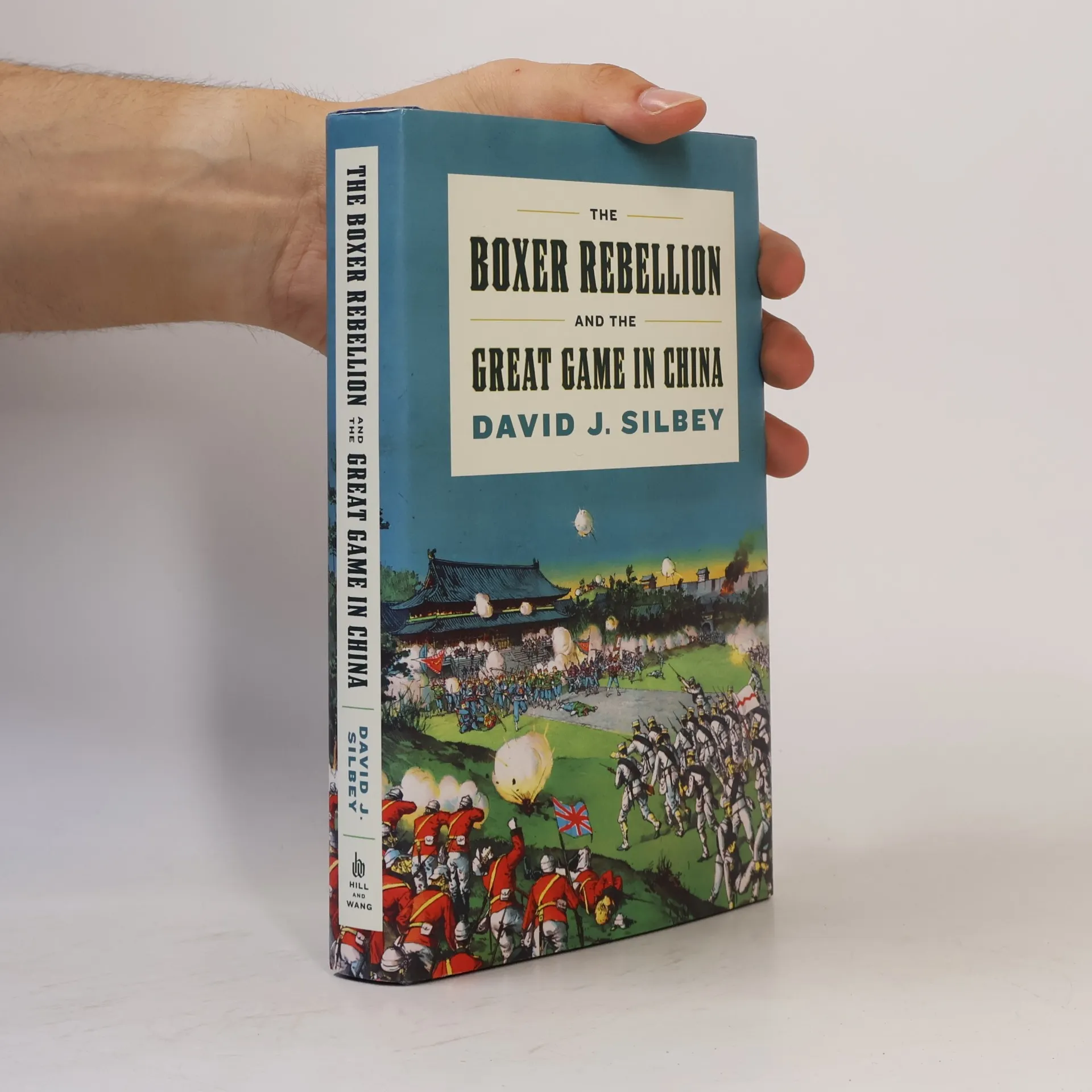
In 1900, Western empires are entangled in global conflicts. The British struggle in a bitter war against the Boers, while the German kaiser builds a formidable navy. The United States faces an insurgency in the South Pacific, and Japan asserts its territorial ambitions toward Russia. In China, a group of superstitious peasants, known as the Boxers, rises against Western powers they believe are corrupting their nation. Lacking centralized leadership, these ordinary Chinese harness deep-seated nationalism and economic frustration to form an army with the battle cry: "Support the Qing, exterminate the foreigners." While many scholars dismiss the Boxers as a poorly coordinated revolt, military historian David J. Silbey reveals how close they came to overcoming the combined forces of imperial powers. Utilizing diaries and letters from allied soldiers and diplomats, Silbey vividly depicts this brief yet impactful conflict. Although the Boxers’ cause was short-lived, their courage and patriotism left a lasting legacy, inspiring future Chinese nationalists, including a young Mao Zedong, for decades to come.
Acquisto del libro
The Boxer Rebellion and the Great Game in China, David J. Silbey
- Lingua

- Pubblicato
- 2012
- Rilegatura
- (Copertina rigida)
Metodi di pagamento
Ancora nessuna valutazione.
- Titolo
- The Boxer Rebellion and the Great Game in China
- Lingua
- Inglese
- Autori
- David J. Silbey
- Editore
- Hill and Wang
- Pubblicato
- 2012
- Formato
- Copertina rigida
- Pagine
- 304
- ISBN10
- 0809094770
- ISBN13
- 9780809094776
- Serie
- Tag
- Tema stórico, XX Secolo, Asia, Cina, Americani
- Descrizione
- In 1900, Western empires are entangled in global conflicts. The British struggle in a bitter war against the Boers, while the German kaiser builds a formidable navy. The United States faces an insurgency in the South Pacific, and Japan asserts its territorial ambitions toward Russia. In China, a group of superstitious peasants, known as the Boxers, rises against Western powers they believe are corrupting their nation. Lacking centralized leadership, these ordinary Chinese harness deep-seated nationalism and economic frustration to form an army with the battle cry: "Support the Qing, exterminate the foreigners." While many scholars dismiss the Boxers as a poorly coordinated revolt, military historian David J. Silbey reveals how close they came to overcoming the combined forces of imperial powers. Utilizing diaries and letters from allied soldiers and diplomats, Silbey vividly depicts this brief yet impactful conflict. Although the Boxers’ cause was short-lived, their courage and patriotism left a lasting legacy, inspiring future Chinese nationalists, including a young Mao Zedong, for decades to come.