


Maggiori informazioni sul libro
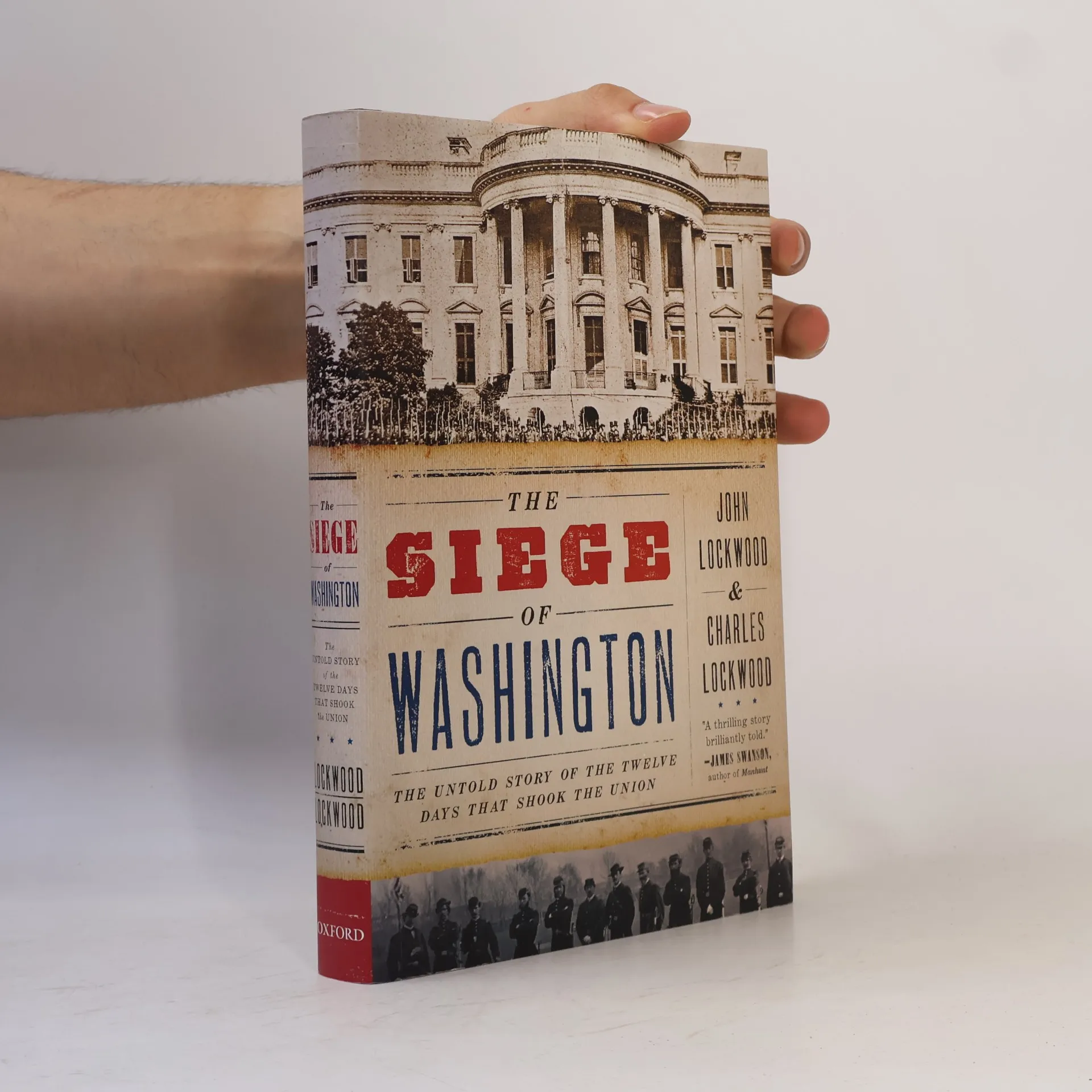
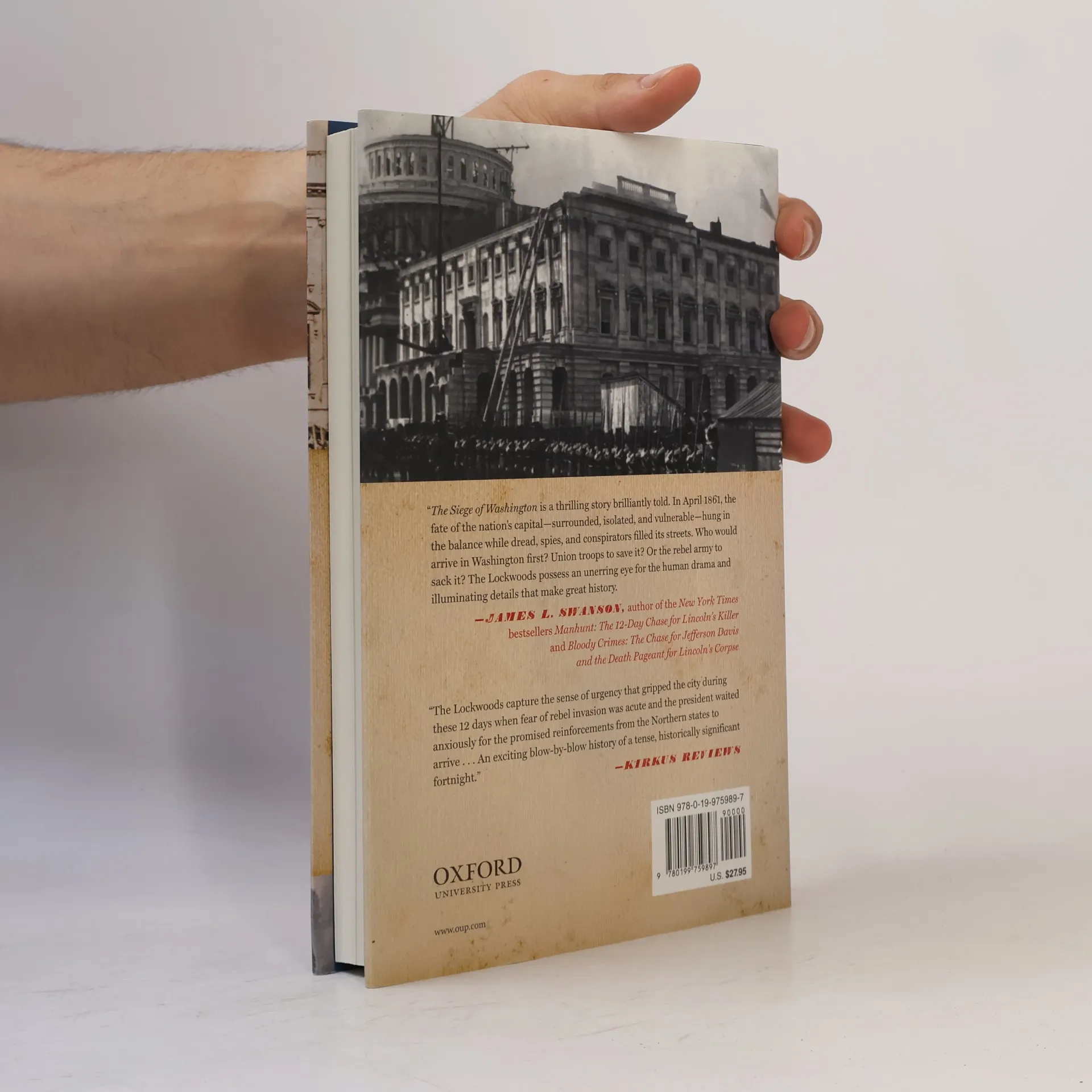
On April 14, 1861, after the surrender of Fort Sumter, Washington was declared "in the condition of a siege" by Abraham Lincoln. Situated just sixty miles south of the Mason-Dixon Line, the capital was vulnerable, surrounded by the slave states of Maryland and Virginia, with no fortifications and only a few trained soldiers. The Confederacy targeted Washington, and cries of "On to Washington!" echoed in the South. Jefferson Davis's wife even sent out invitations for a White House reception on May 1. In response, Lincoln issued an emergency proclamation on April 15, calling for 75,000 troops to suppress the rebellion and protect the capital. A critical question loomed: which forces would reach Washington first—the Northern defenders or the Southern attackers? For 12 days, the city's fate was uncertain. Isolated from the North, Washington lacked trains, telegraph, and mail. Sandbags were piled around key landmarks, and the unfinished Capitol became a barracks for volunteer troops. Meanwhile, Maryland secessionists hindered Union reinforcements, while a rumored Confederate force of 20,000 waited across the Potomac River. Drawing on firsthand accounts, this narrative captures the precarious early days of the Civil War from the perspectives of officials, residents, Confederates, and Union troops racing to save the city.
Acquisto del libro
The Siege of Washington, Charles J. Lockwood, Andrew John Lockwood
- Lingua

- Pubblicato
- 2011
- Rilegatura
- (Copertina rigida),
- Condizioni del libro
- In buone condizioni
- Prezzo
- 4,09 €
Metodi di pagamento
Ancora nessuna valutazione.
- Titolo
- The Siege of Washington
- Sottotitolo
- The Untold Story of the Twelve Days That Shook the Union
- Lingua
- Inglese
- Editore
- Oxford University Press
- Pubblicato
- 2011
- Formato
- Copertina rigida
- Pagine
- 298
- ISBN10
- 0199759898
- ISBN13
- 9780199759897
- Serie
- Descrizione
- On April 14, 1861, after the surrender of Fort Sumter, Washington was declared "in the condition of a siege" by Abraham Lincoln. Situated just sixty miles south of the Mason-Dixon Line, the capital was vulnerable, surrounded by the slave states of Maryland and Virginia, with no fortifications and only a few trained soldiers. The Confederacy targeted Washington, and cries of "On to Washington!" echoed in the South. Jefferson Davis's wife even sent out invitations for a White House reception on May 1. In response, Lincoln issued an emergency proclamation on April 15, calling for 75,000 troops to suppress the rebellion and protect the capital. A critical question loomed: which forces would reach Washington first—the Northern defenders or the Southern attackers? For 12 days, the city's fate was uncertain. Isolated from the North, Washington lacked trains, telegraph, and mail. Sandbags were piled around key landmarks, and the unfinished Capitol became a barracks for volunteer troops. Meanwhile, Maryland secessionists hindered Union reinforcements, while a rumored Confederate force of 20,000 waited across the Potomac River. Drawing on firsthand accounts, this narrative captures the precarious early days of the Civil War from the perspectives of officials, residents, Confederates, and Union troops racing to save the city.