

Maggiori informazioni sul libro
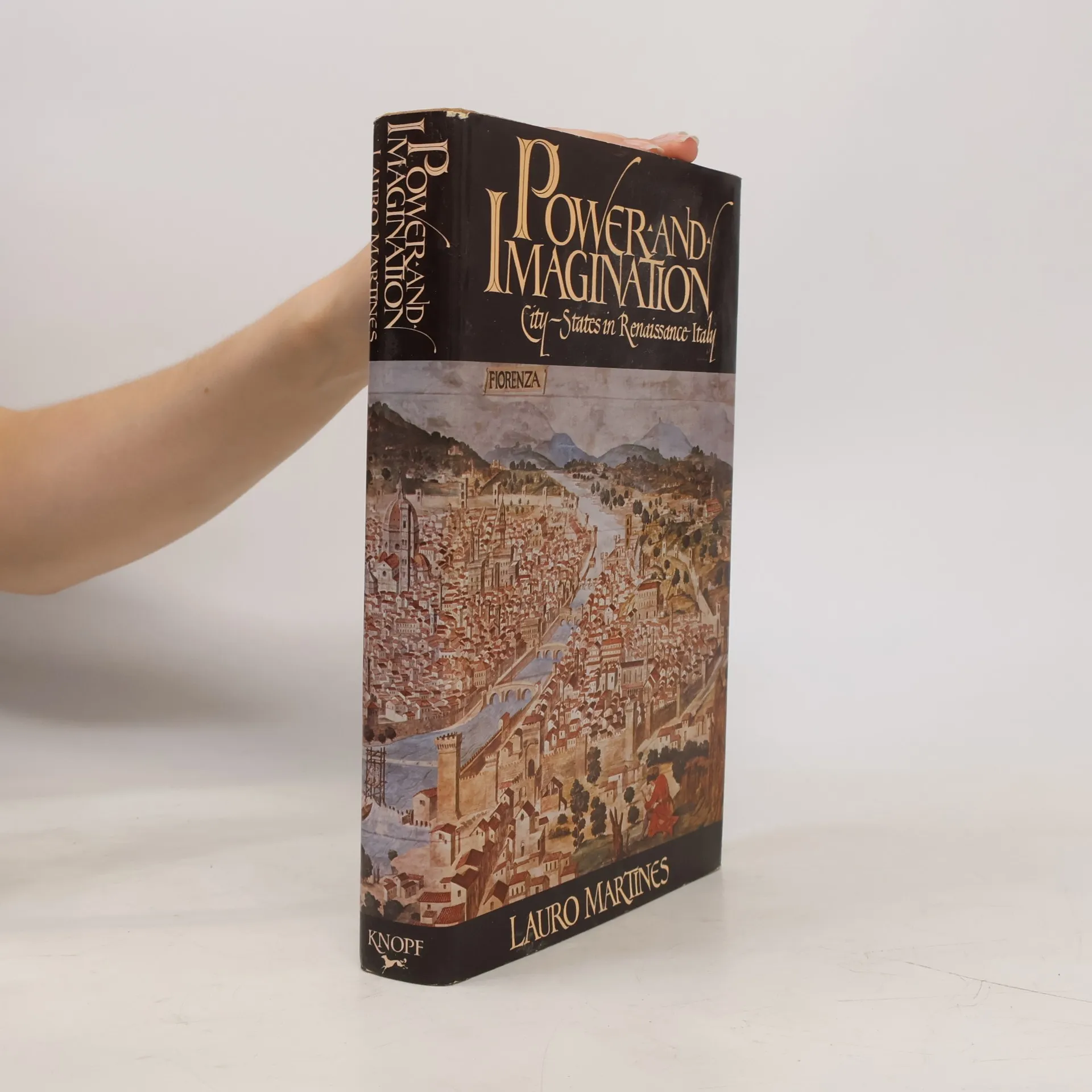
The Italian Renaissance, writes Lauro Martines, came forth in two stages. The first extended from the eleventh century to about 1300, the second from the late thirteenth to the late sixteenth centuries. In the first period, social energies - economics, politics, a vibrant demography - were primary and foremost; in the second, cultural energies seemed to dominate. In Power and Imagination, Lauro Martines rethinks the evolution of the city-state in Renaissance Italy and recasts the conventional distinction between 'society' and 'culture'. He traces the growth of commerce and the evolution of governments; he describes the attitudes, pleasures and rituals of the ruling elite; he seeks to understand the period's towering works of the imagination in literature, painting, city planning and philosophy - not simply as the creations of individual artists, but as the formal expression of the ambitions and egos of those in power.
Acquisto del libro
Power and Imagination, Lauro Martines
- Lingua

- Pubblicato
- 1979
- Rilegatura
- (Copertina rigida)
Metodi di pagamento
Ancora nessuna valutazione.
- Titolo
- Power and Imagination
- Sottotitolo
- City-States in Renaissance Italy
- Lingua
- Inglese
- Autori
- Lauro Martines
- Editore
- Alfred A. Knopf
- Pubblicato
- 1979
- Formato
- Copertina rigida
- Pagine
- 380
- ISBN10
- 0394501128
- ISBN13
- 9780394501123
- Serie
- Categoria
- Descrizione
- The Italian Renaissance, writes Lauro Martines, came forth in two stages. The first extended from the eleventh century to about 1300, the second from the late thirteenth to the late sixteenth centuries. In the first period, social energies - economics, politics, a vibrant demography - were primary and foremost; in the second, cultural energies seemed to dominate. In Power and Imagination, Lauro Martines rethinks the evolution of the city-state in Renaissance Italy and recasts the conventional distinction between 'society' and 'culture'. He traces the growth of commerce and the evolution of governments; he describes the attitudes, pleasures and rituals of the ruling elite; he seeks to understand the period's towering works of the imagination in literature, painting, city planning and philosophy - not simply as the creations of individual artists, but as the formal expression of the ambitions and egos of those in power.