

Maggiori informazioni sul libro
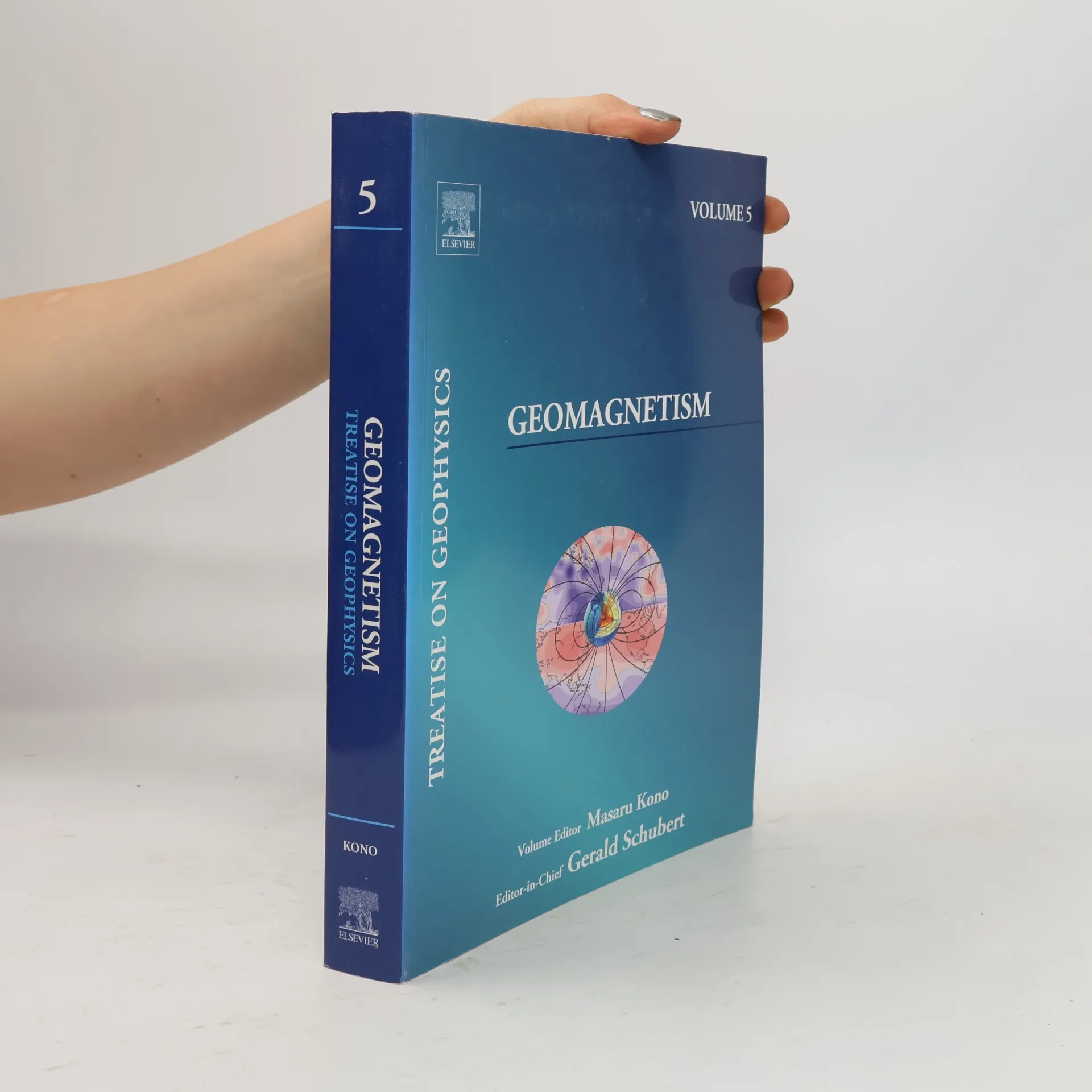
Treatise on Geomagnetism, Volume 5, provides an overview of the most important aspects of geomagnetism. The book begins by tracing the history of the study of geomagnetism. It then reviews global models of the Earth's magnetic field; the main sources of external magnetic field contributions; and the instruments and practices used to observe and measure the full range of features of the geomagnetic field. It discusses the origins of current knowledge of the secular variation of the Earth's magnetic field; crustal magnetism; geomagnetic excursions; the study of geophysical electromagnetic induction; the magnetization process; and the status of recent magnetic field data and their applications. The remaining chapters cover the geometry of the geomagnetic field and its temporal variability as recorded in volcanic and sedimentary rocks over the past few million years; the ocean crust as a recorder of geomagnetic field variations; and the theoretical basis for paleointensity experiments in igneous and sedimentary environments. The final chapter explains the concept of true polar wander (TPW), defined as shifts in the geographic location of Earth's daily rotation axis and/or by fluctuations in the spin rate (length of day anomalies).
Acquisto del libro
Treatise on Geophysics - 5: Geomagnetism, Masaru Kono, Gerald Schubert
- Lingua
- Pubblicato
- 2009
- Rilegatura
- (In brossura)
Metodi di pagamento
Ancora nessuna valutazione.
- Titolo
- Treatise on Geophysics - 5: Geomagnetism
- Autori
- Masaru Kono, Gerald Schubert
- Editore
- Elsevier
- Pubblicato
- 2009
- Formato
- In brossura
- Pagine
- 7000
- ISBN10
- 044453461X
- ISBN13
- 9780444534613
- Serie
- Categoria
- Descrizione
- Treatise on Geomagnetism, Volume 5, provides an overview of the most important aspects of geomagnetism. The book begins by tracing the history of the study of geomagnetism. It then reviews global models of the Earth's magnetic field; the main sources of external magnetic field contributions; and the instruments and practices used to observe and measure the full range of features of the geomagnetic field. It discusses the origins of current knowledge of the secular variation of the Earth's magnetic field; crustal magnetism; geomagnetic excursions; the study of geophysical electromagnetic induction; the magnetization process; and the status of recent magnetic field data and their applications. The remaining chapters cover the geometry of the geomagnetic field and its temporal variability as recorded in volcanic and sedimentary rocks over the past few million years; the ocean crust as a recorder of geomagnetic field variations; and the theoretical basis for paleointensity experiments in igneous and sedimentary environments. The final chapter explains the concept of true polar wander (TPW), defined as shifts in the geographic location of Earth's daily rotation axis and/or by fluctuations in the spin rate (length of day anomalies).