



Maggiori informazioni sul libro
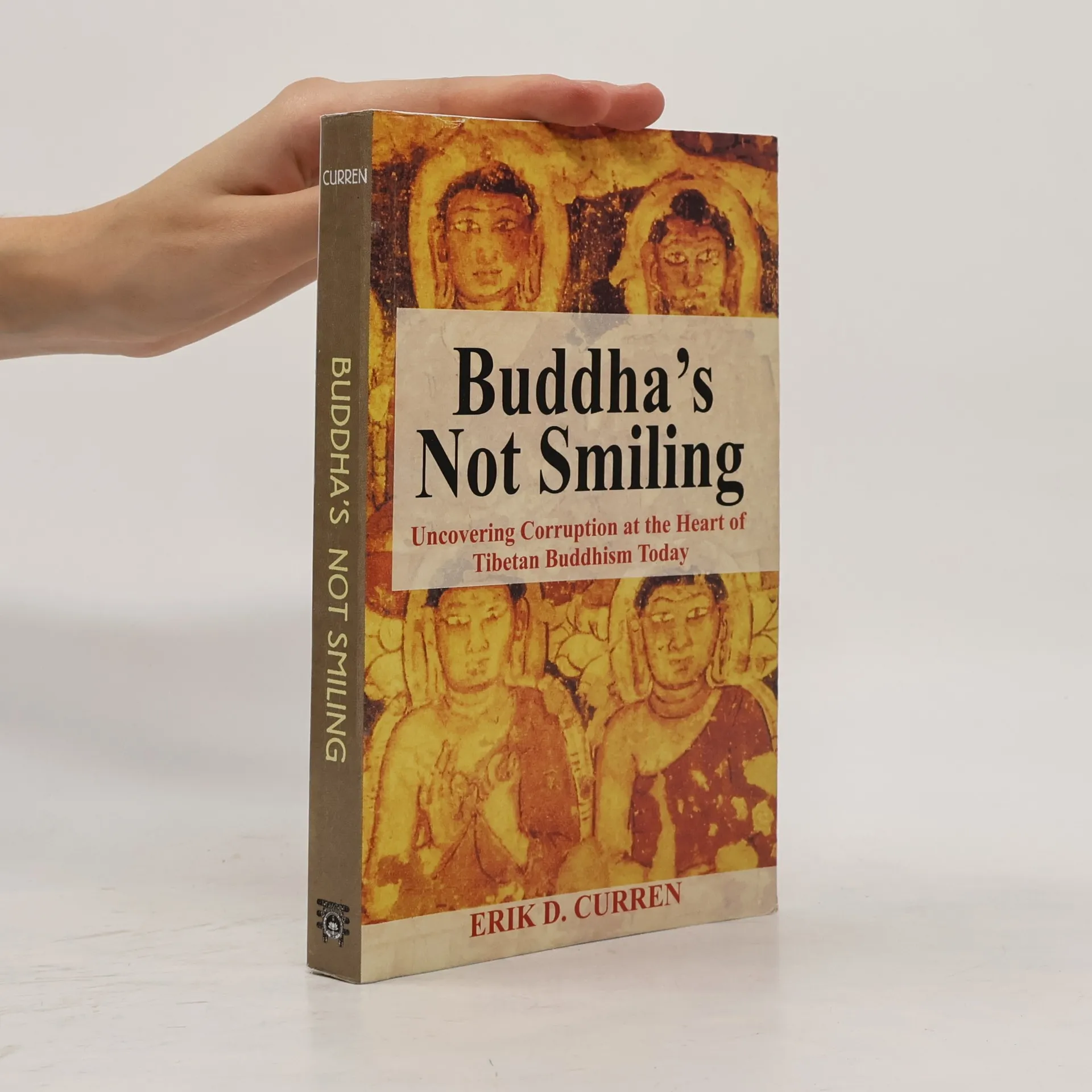
Interest in Buddhism has exploded in the last couple of decades, and millions of people around the world view Tibetan Buddhism as the religion's most pure and authentic form. Yet, a political conflict among Tibetan lamas themselves is now poised to tear the Tibetan Buddhist world apart and threaten the ntegrity of its thousand-year old teachings. On August 2, 1993, Rumtek monastery was attacked. Its monks were expelled and the cloister was turned over to supporters of a boy-lamas appointed by the Chinese government. But Rumtek was not in China, and its attackers were not Communist troops. Rumtek was in India, the refuge for most exiled Tibetans. And it was Tibetan lamas and monks themselves who led the siege. Yet, evidence shows that Chinese agents directly supported Tibetan lamas and monks who attacked Rumtek monastery. While a complete picture of this controversy has been blurred by the media's focus on international Buddhist celebrities, Buddha's Not Smiling challengers Readers to Judge for themselves the health of Tibetan Buddhism today.
Acquisto del libro
Buddha's Not Smiling, Erik D. Curren
- Lingua

- Pubblicato
- 2008
- Rilegatura
- (In brossura),
- Condizioni del libro
- In buone condizioni
- Prezzo
- 5,59 €
Metodi di pagamento
Ancora nessuna valutazione.
- Titolo
- Buddha's Not Smiling
- Sottotitolo
- Uncovering Corruption at the Heart of Tibetan Buddhism Today
- Lingua
- Inglese
- Autori
- Erik D. Curren
- Editore
- Motilal Banarsidass
- Pubblicato
- 2008
- Formato
- In brossura
- Pagine
- 330
- ISBN10
- 8120833317
- ISBN13
- 9788120833319
- Serie
- Descrizione
- Interest in Buddhism has exploded in the last couple of decades, and millions of people around the world view Tibetan Buddhism as the religion's most pure and authentic form. Yet, a political conflict among Tibetan lamas themselves is now poised to tear the Tibetan Buddhist world apart and threaten the ntegrity of its thousand-year old teachings. On August 2, 1993, Rumtek monastery was attacked. Its monks were expelled and the cloister was turned over to supporters of a boy-lamas appointed by the Chinese government. But Rumtek was not in China, and its attackers were not Communist troops. Rumtek was in India, the refuge for most exiled Tibetans. And it was Tibetan lamas and monks themselves who led the siege. Yet, evidence shows that Chinese agents directly supported Tibetan lamas and monks who attacked Rumtek monastery. While a complete picture of this controversy has been blurred by the media's focus on international Buddhist celebrities, Buddha's Not Smiling challengers Readers to Judge for themselves the health of Tibetan Buddhism today.