



Maggiori informazioni sul libro
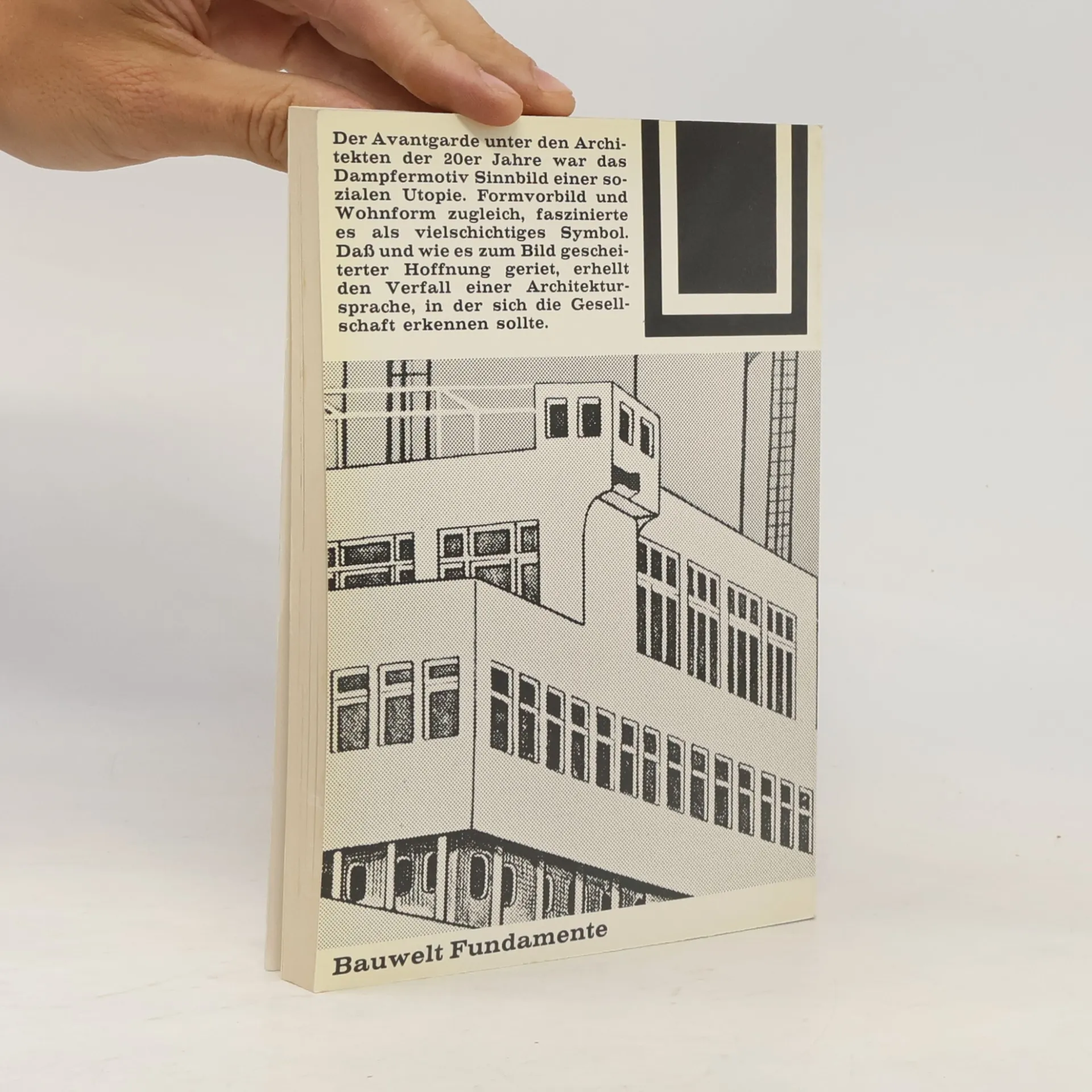
The text explores the decline of architectural symbolism, focusing on the ship motif as a central theme. It examines the ship's role as a symbol, its conceptual boundaries, and its function as a communicative architectural sign. The discussion includes the historical context of the ship motif in architectural theory up to 1914, highlighting the transformative atmosphere around 1900 that influenced architectural practices. Various formal approaches are analyzed, including Futurism and Expressionism, with notable architects such as Walter Gropius, Ernst May, and Le Corbusier exemplifying these ideas. The text addresses the conditions surrounding the ship motif and its aesthetic implications, particularly in the context of housing during the Weimar Republic and collective living spaces. It also considers Le Corbusier's vision of architecture as a means of healing society, alongside the realization of utopian ideals in Russia through architectural projects that served as social condensers. The narrative reflects on the challenges faced by architects and the architectural community, questioning the relevance of the ship motif in contemporary society and its potential resurgence. It concludes with a vision for a humane architecture and the evolving role of architects, proposing future conditions for a new theory of signs in architecture.
Acquisto del libro
Bauwelt Fundamente - 5: Architektur als Symbolverfall, Gert Kähler
- Lingua

- Pubblicato
- 1981
- Rilegatura
- (In brossura),
- Condizioni del libro
- In buone condizioni
- Prezzo
- 15,49 €
Metodi di pagamento
Ancora nessuna valutazione.
- Titolo
- Bauwelt Fundamente - 5: Architektur als Symbolverfall
- Sottotitolo
- Das Dampfermotiv in der Baukunst
- Lingua
- Tedesco
- Autori
- Gert Kähler
- Editore
- Vieweg
- Pubblicato
- 1981
- Formato
- In brossura
- Pagine
- 243
- ISBN10
- 3528087595
- ISBN13
- 9783528087593
- Serie
- Tag
- Architettura
- Descrizione
- The text explores the decline of architectural symbolism, focusing on the ship motif as a central theme. It examines the ship's role as a symbol, its conceptual boundaries, and its function as a communicative architectural sign. The discussion includes the historical context of the ship motif in architectural theory up to 1914, highlighting the transformative atmosphere around 1900 that influenced architectural practices. Various formal approaches are analyzed, including Futurism and Expressionism, with notable architects such as Walter Gropius, Ernst May, and Le Corbusier exemplifying these ideas. The text addresses the conditions surrounding the ship motif and its aesthetic implications, particularly in the context of housing during the Weimar Republic and collective living spaces. It also considers Le Corbusier's vision of architecture as a means of healing society, alongside the realization of utopian ideals in Russia through architectural projects that served as social condensers. The narrative reflects on the challenges faced by architects and the architectural community, questioning the relevance of the ship motif in contemporary society and its potential resurgence. It concludes with a vision for a humane architecture and the evolving role of architects, proposing future conditions for a new theory of signs in architecture.