



Maggiori informazioni sul libro
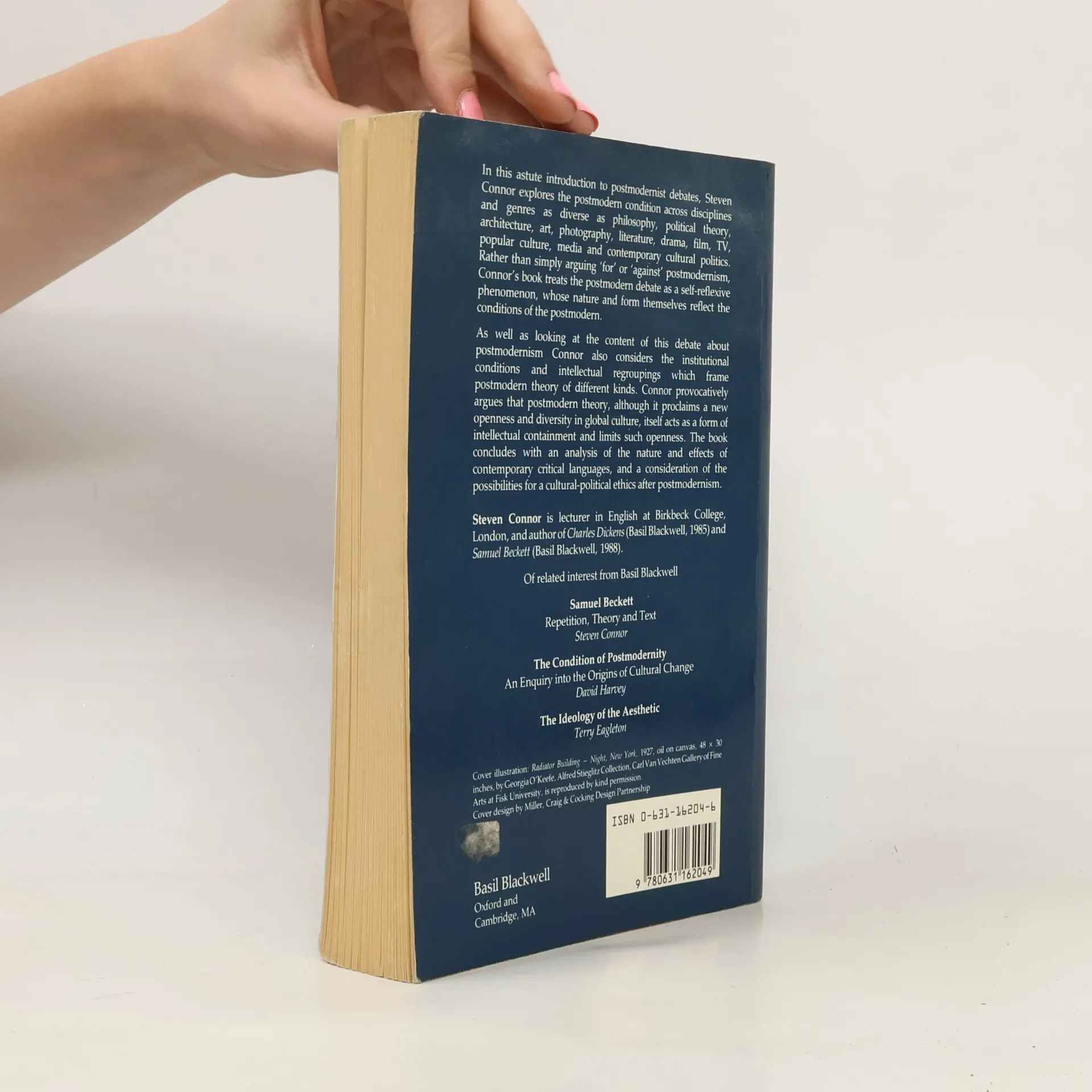
In this astute introduction to postmodernist debates, Steven Connor explores the postmodern condition across disciplines and genres as diverse as philosophy, political theory, architecture, art, photography, literature, drama, film, TV, popular culture, media and contemporary cultural politics. Rather than simply arguing 'for' or 'against' postmodernism, Connor's book treats the postmodern debate as a self-reflexive phenomenon, whose nature and form themselves reflect the conditions of the postmodern. As well as looking at the content of this debate about postmodernism Connor also considers the institutional conditions and intellectual regroupings which frame postmodern theory of different kinds. Connor provocatively argues that postmodern theory, although it proclaims a new openness and diversity in global culture, itself acts as a form of intellectual containment and limits such openness. He concludes with an analysis of the nature and effects of contemporary critical languages, and a consideration of the possibilities for a cultural-political ethics after postmodernism.
Acquisto del libro
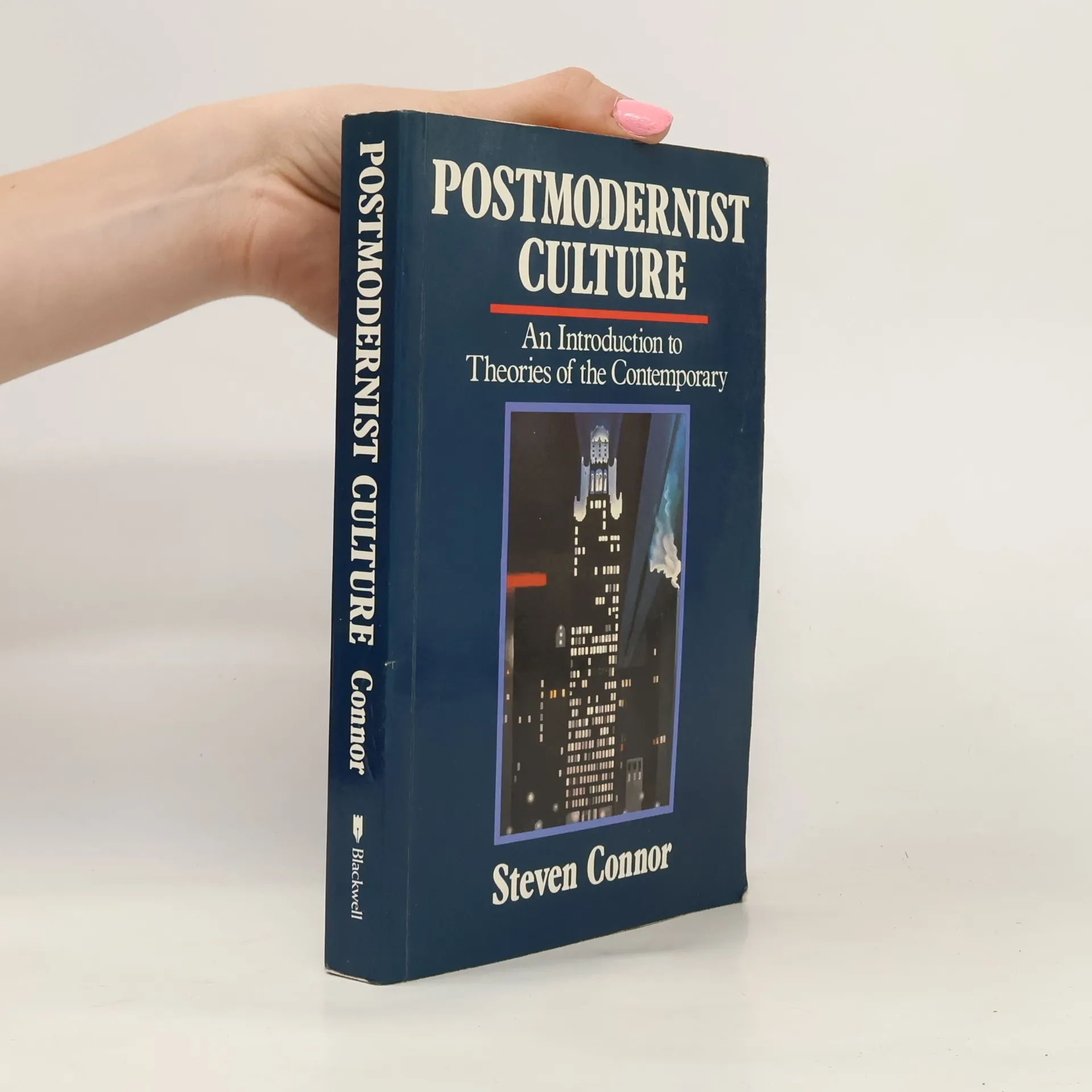
Postmodernist Culture, Steven Connor
- Lingua

- Pubblicato
- 1989
- Rilegatura
- (In brossura),
- Condizioni del libro
- In buone condizioni
- Prezzo
- 5,19 €
Metodi di pagamento
Ancora nessuna valutazione.
- Titolo
- Postmodernist Culture
- Sottotitolo
- An Introduction to Theories of the Contemporary
- Lingua
- Inglese
- Autori
- Steven Connor
- Editore
- Blackwell Publishers
- Pubblicato
- 1989
- Formato
- In brossura
- Pagine
- 288
- ISBN10
- 0631162046
- ISBN13
- 9780631162049
- Serie
- Descrizione
- In this astute introduction to postmodernist debates, Steven Connor explores the postmodern condition across disciplines and genres as diverse as philosophy, political theory, architecture, art, photography, literature, drama, film, TV, popular culture, media and contemporary cultural politics. Rather than simply arguing 'for' or 'against' postmodernism, Connor's book treats the postmodern debate as a self-reflexive phenomenon, whose nature and form themselves reflect the conditions of the postmodern. As well as looking at the content of this debate about postmodernism Connor also considers the institutional conditions and intellectual regroupings which frame postmodern theory of different kinds. Connor provocatively argues that postmodern theory, although it proclaims a new openness and diversity in global culture, itself acts as a form of intellectual containment and limits such openness. He concludes with an analysis of the nature and effects of contemporary critical languages, and a consideration of the possibilities for a cultural-political ethics after postmodernism.