


Parametri
- 380pagine
- 14 ore di lettura
Maggiori informazioni sul libro
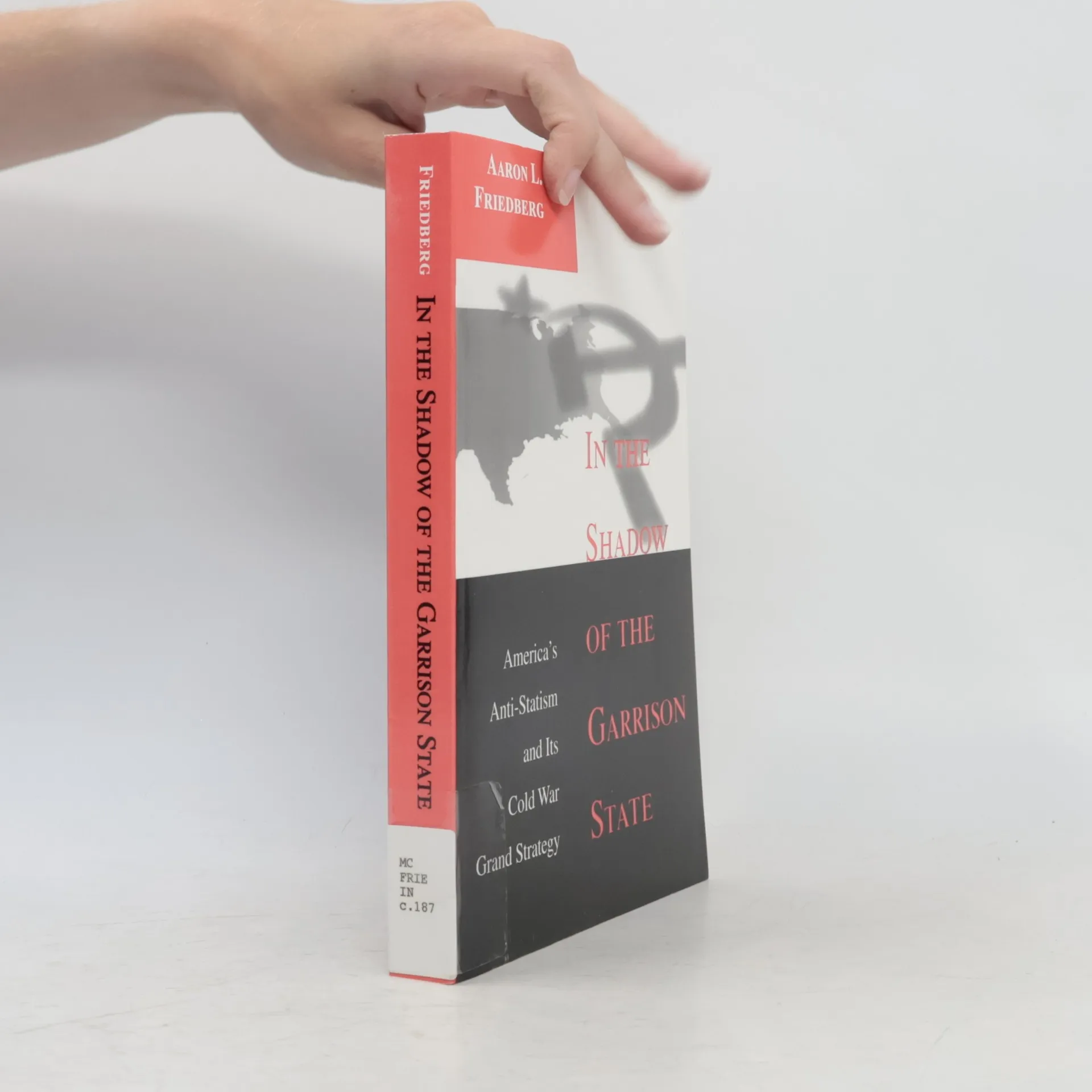
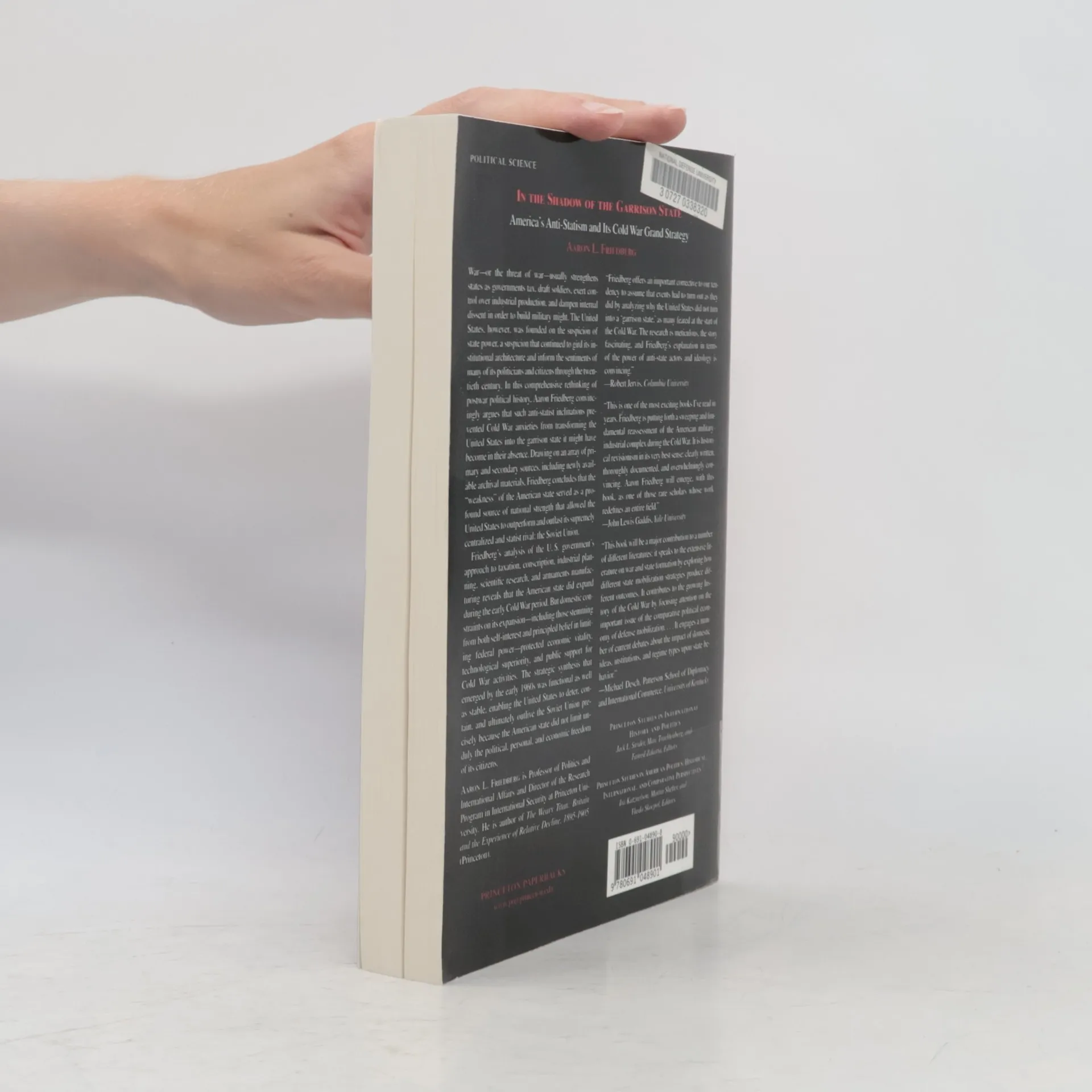
War typically strengthens states through increased taxation, conscription, and control over production, but the United States was founded on a deep suspicion of state power. This skepticism shaped its institutions and influenced political sentiments throughout the twentieth century. In a comprehensive rethinking of postwar political history, Aaron Friedberg argues that these anti-statist inclinations prevented Cold War fears from transforming the U.S. into a garrison state. Utilizing a range of primary and secondary sources, including newly accessible archival materials, Friedberg posits that the perceived "weakness" of the American state was actually a source of national strength, enabling the U.S. to outperform its centralized rival, the Soviet Union. His analysis reveals that while the American state did expand during the early Cold War, domestic constraints—rooted in self-interest and a belief in limiting federal power—helped maintain economic vitality, technological superiority, and public support for Cold War initiatives. By the early 1960s, this strategic synthesis was both functional and stable, allowing the U.S. to deter and ultimately outlast the Soviet Union without excessively curtailing the freedoms of its citizens. This thoroughly researched volume will be valuable to political scientists, historians, and general readers interested in Cold War history, offering insights that contribute to understanding how libera
Acquisto del libro
Princeton Studies in International History and Politics: In the Shadow of the Garrison State, Aaron L Friedberg
- Lingua

- Pubblicato
- 2000
- Rilegatura
- (In brossura)
Metodi di pagamento
Ancora nessuna valutazione.
- Titolo
- Princeton Studies in International History and Politics: In the Shadow of the Garrison State
- Sottotitolo
- America's Anti-Statism and Its Cold War Grand Strategy
- Lingua
- Inglese
- Autori
- Aaron L Friedberg
- Editore
- Princeton University Press
- Pubblicato
- 2000
- Formato
- In brossura
- Pagine
- 380
- ISBN10
- 0691048908
- ISBN13
- 9780691048901
- Serie
- Descrizione
- War typically strengthens states through increased taxation, conscription, and control over production, but the United States was founded on a deep suspicion of state power. This skepticism shaped its institutions and influenced political sentiments throughout the twentieth century. In a comprehensive rethinking of postwar political history, Aaron Friedberg argues that these anti-statist inclinations prevented Cold War fears from transforming the U.S. into a garrison state. Utilizing a range of primary and secondary sources, including newly accessible archival materials, Friedberg posits that the perceived "weakness" of the American state was actually a source of national strength, enabling the U.S. to outperform its centralized rival, the Soviet Union. His analysis reveals that while the American state did expand during the early Cold War, domestic constraints—rooted in self-interest and a belief in limiting federal power—helped maintain economic vitality, technological superiority, and public support for Cold War initiatives. By the early 1960s, this strategic synthesis was both functional and stable, allowing the U.S. to deter and ultimately outlast the Soviet Union without excessively curtailing the freedoms of its citizens. This thoroughly researched volume will be valuable to political scientists, historians, and general readers interested in Cold War history, offering insights that contribute to understanding how libera