


Maggiori informazioni sul libro
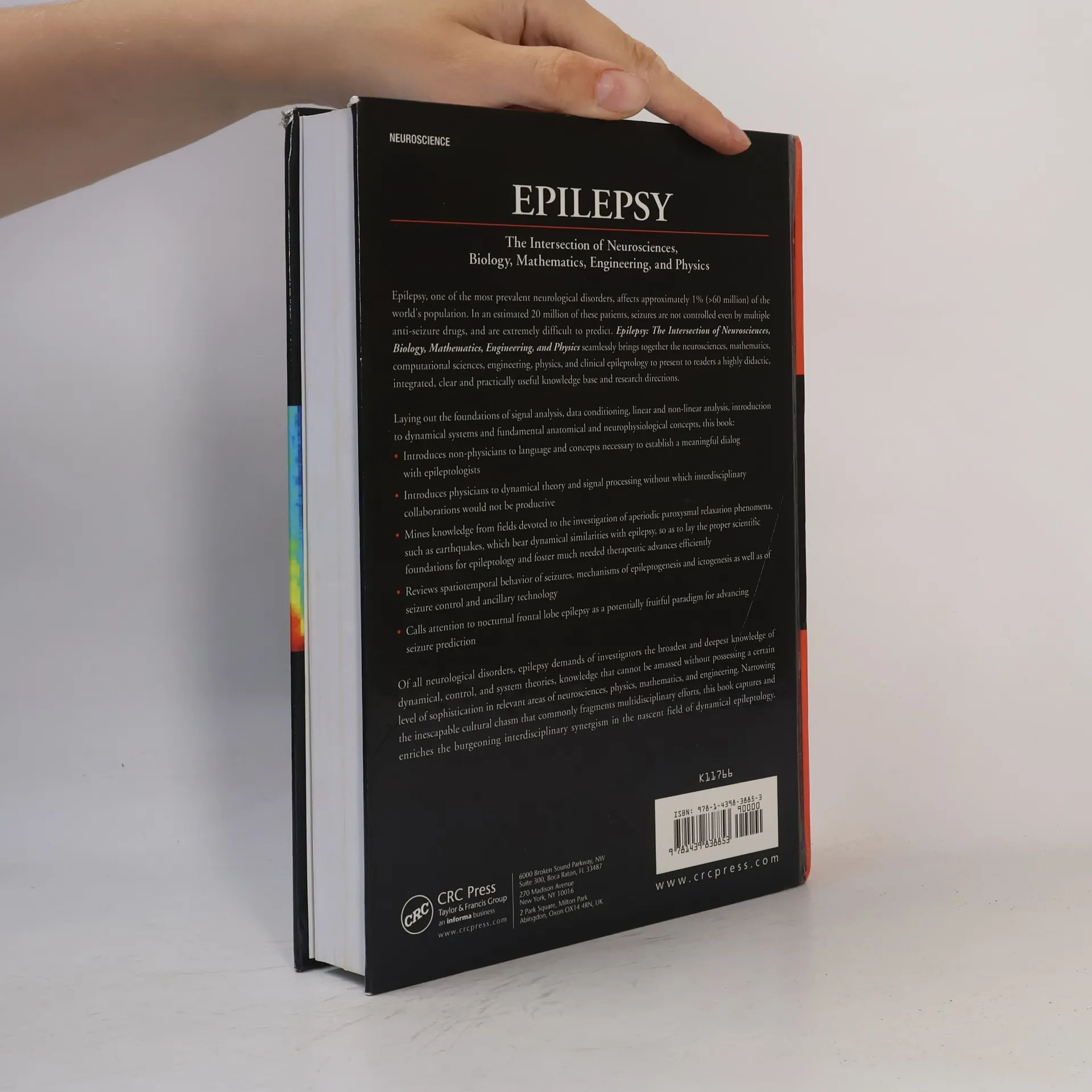
Epilepsy affects around 1% of the global population, with about 20 million patients experiencing uncontrolled seizures despite multiple anti-seizure medications. This work integrates neurosciences, mathematics, computational sciences, engineering, physics, and clinical epileptology to provide a comprehensive knowledge base and research directions. It covers signal analysis, data conditioning, and both linear and non-linear analysis, alongside fundamental anatomical and neurophysiological concepts. The text aims to equip non-physicians with the necessary language to engage meaningfully with epileptologists and introduces physicians to dynamical theory and signal processing, essential for productive interdisciplinary collaboration. It draws parallels between epilepsy and other aperiodic phenomena like earthquakes to build a scientific foundation for epileptology and promote therapeutic advancements. Additionally, it reviews the spatiotemporal behavior of seizures, mechanisms of epileptogenesis and ictogenesis, and highlights nocturnal frontal lobe epilepsy as a promising area for seizure prediction. The book emphasizes the need for a deep understanding of dynamical, control, and system theories, bridging the cultural gaps that often hinder multidisciplinary efforts and fostering collaboration in the evolving field of dynamical epileptology.
Acquisto del libro
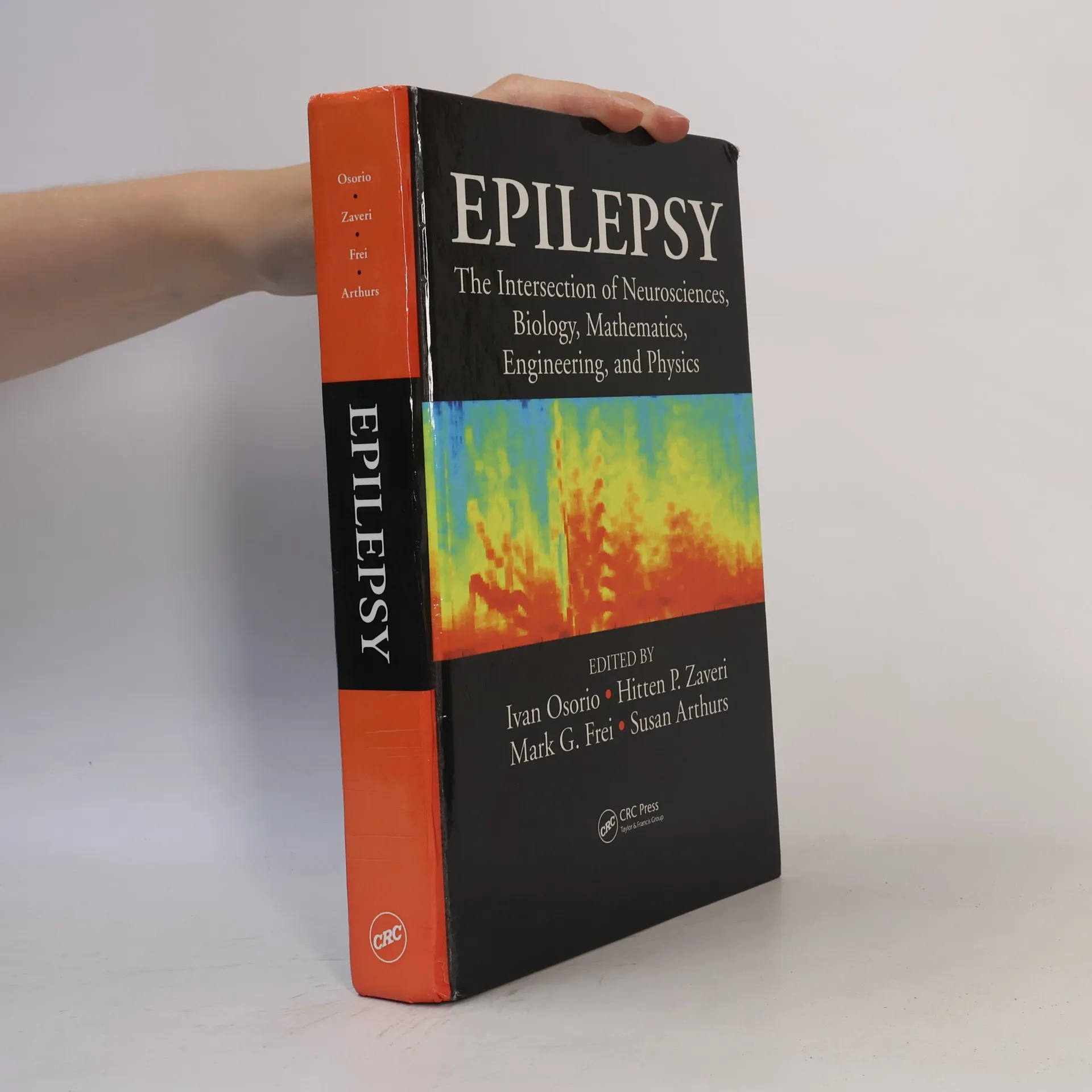
Epilepsy, Ivan Osorio, Mark G. Frei, Susan Arthurs, Hitten P. Zaveri
- Lingua

- Pubblicato
- 2011
- Rilegatura
- (Copertina rigida),
- Condizioni del libro
- In buone condizioni
- Prezzo
- 81,99 €
Metodi di pagamento
Ancora nessuna valutazione.
- Titolo
- Epilepsy
- Sottotitolo
- The Intersection of Neurosciences, Biology, Mathematics, Engineering, and Physics
- Lingua
- Inglese
- Editore
- CRC Press
- Pubblicato
- 2011
- Formato
- Copertina rigida
- Pagine
- 578
- ISBN10
- 1439838852
- ISBN13
- 9781439838853
- Serie
- Tag
- Scienza, Medicina, Tecnologia, Neuroscienze, Neurologia, Biotecnologia, Epilessia, Teoria del Caos
- Descrizione
- Epilepsy affects around 1% of the global population, with about 20 million patients experiencing uncontrolled seizures despite multiple anti-seizure medications. This work integrates neurosciences, mathematics, computational sciences, engineering, physics, and clinical epileptology to provide a comprehensive knowledge base and research directions. It covers signal analysis, data conditioning, and both linear and non-linear analysis, alongside fundamental anatomical and neurophysiological concepts. The text aims to equip non-physicians with the necessary language to engage meaningfully with epileptologists and introduces physicians to dynamical theory and signal processing, essential for productive interdisciplinary collaboration. It draws parallels between epilepsy and other aperiodic phenomena like earthquakes to build a scientific foundation for epileptology and promote therapeutic advancements. Additionally, it reviews the spatiotemporal behavior of seizures, mechanisms of epileptogenesis and ictogenesis, and highlights nocturnal frontal lobe epilepsy as a promising area for seizure prediction. The book emphasizes the need for a deep understanding of dynamical, control, and system theories, bridging the cultural gaps that often hinder multidisciplinary efforts and fostering collaboration in the evolving field of dynamical epileptology.