

Maggiori informazioni sul libro
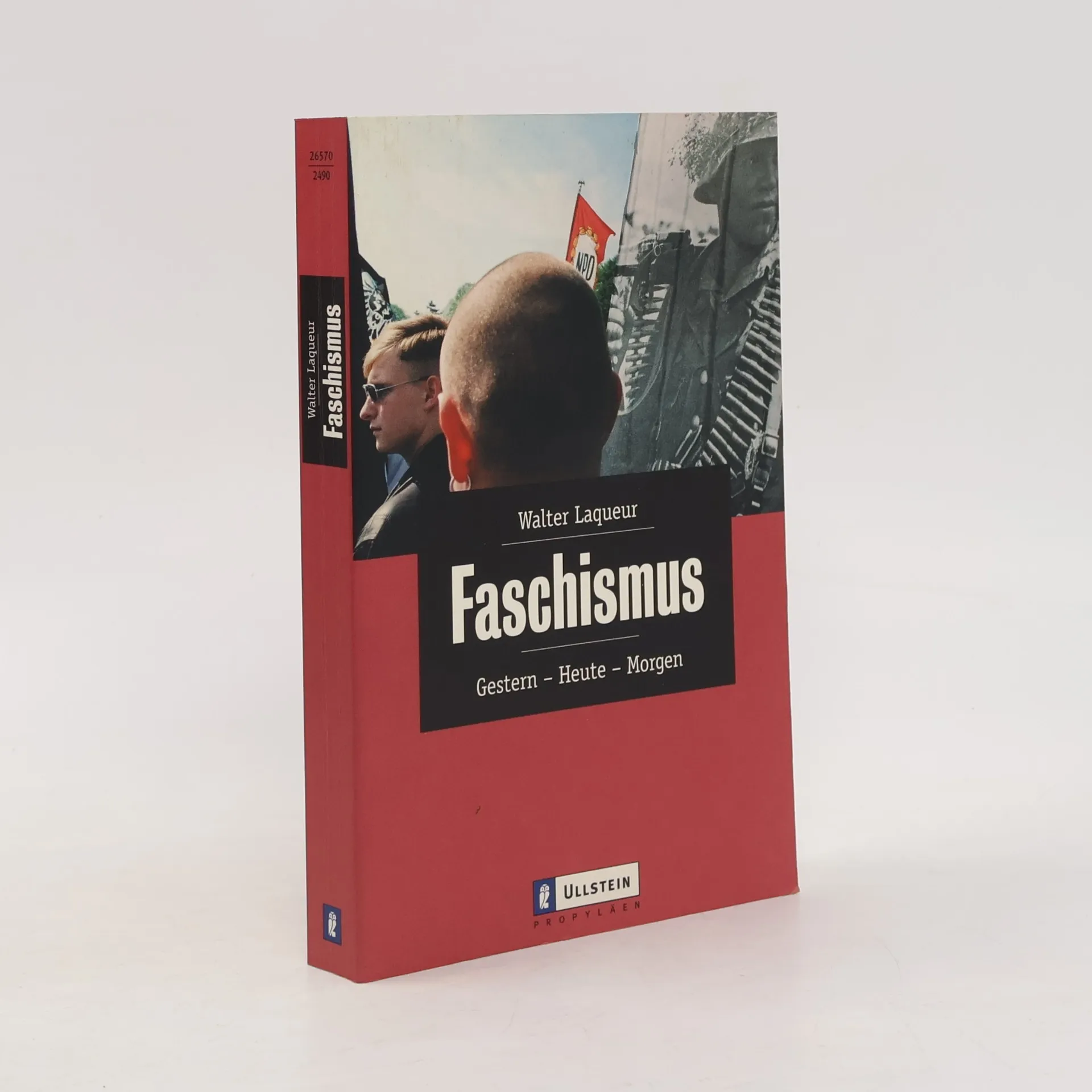
The history and theory of fascism has been explored in a great number of studies, yet its foundations and essential characteristics remain largely undefined. One reason for this confusion is fascism's distracting ideological totalitarianism, nationalism, anti-Semitism, racism, and imperialism. In Past, Present, Future, Walter Laqueur--a prolific writer, journalist, and historian--directs his keen attention to the resurgence of fascist parties in Russia, Austria, and France, while pointing toward the Middle East as a potential seedbed of future fascist developments. Laqueur's assessment benefits greatly from his historical and scholarly knowledge of Nazi Germany and the Soviet Union. He is at his best on this historical ground. As Laqueur ventures into prescriptive forecasting, the conceptual outline breaks down and he develops tangential discussions of arms proliferation and religious fundamentalism. While our knowledge of the past, present, and future dangers of fascism are greatly increased by Laqueur's book, it adds only incrementally to our understanding of fascism itself.
Acquisto del libro
Faschismus: Gestern - Heute - Morgen, Walter Laqueur
- Lingua

- Pubblicato
- 2000
- Rilegatura
- (In brossura)
Metodi di pagamento
Ancora nessuna valutazione.
- Titolo
- Faschismus: Gestern - Heute - Morgen
- Lingua
- Tedesco
- Autori
- Walter Laqueur
- Editore
- Ullstein Taschenbuch Verlag
- Pubblicato
- 2000
- Formato
- In brossura
- Pagine
- 336
- ISBN10
- 3548265707
- ISBN13
- 9783548265704
- Serie
- Categoria
- Descrizione
- The history and theory of fascism has been explored in a great number of studies, yet its foundations and essential characteristics remain largely undefined. One reason for this confusion is fascism's distracting ideological totalitarianism, nationalism, anti-Semitism, racism, and imperialism. In Past, Present, Future, Walter Laqueur--a prolific writer, journalist, and historian--directs his keen attention to the resurgence of fascist parties in Russia, Austria, and France, while pointing toward the Middle East as a potential seedbed of future fascist developments. Laqueur's assessment benefits greatly from his historical and scholarly knowledge of Nazi Germany and the Soviet Union. He is at his best on this historical ground. As Laqueur ventures into prescriptive forecasting, the conceptual outline breaks down and he develops tangential discussions of arms proliferation and religious fundamentalism. While our knowledge of the past, present, and future dangers of fascism are greatly increased by Laqueur's book, it adds only incrementally to our understanding of fascism itself.