

Maggiori informazioni sul libro
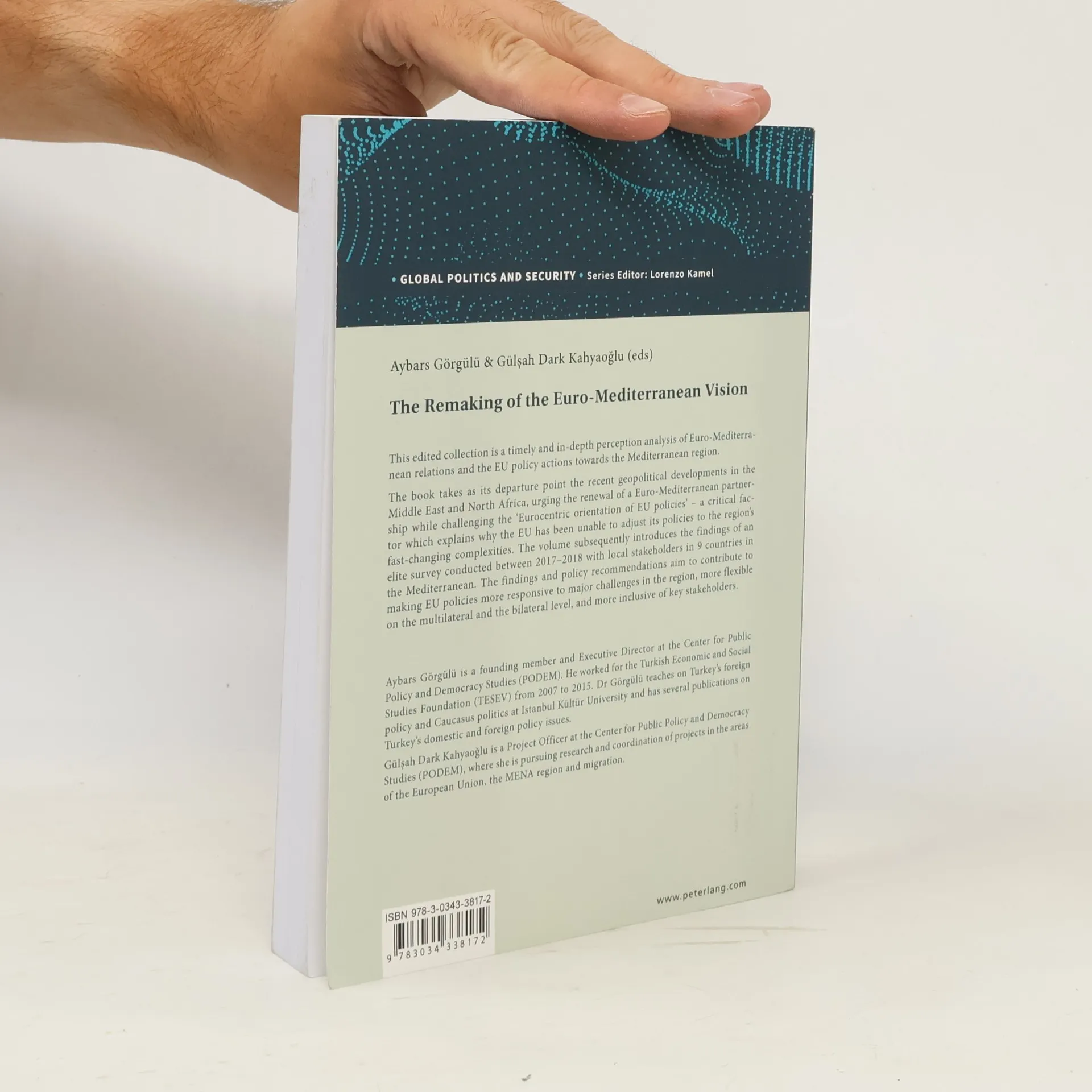
This edited collection is a timely and in-depth perception analysis of Euro-Mediterranean relations and the EU policy actions towards the Mediterranean region. The book takes as its departure point the recent geopolitical developments in the Middle East and North Africa, urging the renewal of a Euro-Mediterranean partnership while challenging the ‘Eurocentric orientation of EU policies’ – a critical factor which explains why the EU has been unable to adjust its policies to the region’s fast-changing complexities. The volume subsequently introduces the findings of an elite survey conducted between 2017–2018 with local stakeholders in 9 countries in the Mediterranean. The findings and policy recommendations presented in the book aim to contribute to making EU policies more responsive to major challenges in the region, more flexible on the multilateral and the bilateral level and more inclusive of key stakeholders. This book will interest EU policy-makers, civil society, academics and researchers on EU policy, as well as IR experts in general.
Acquisto del libro
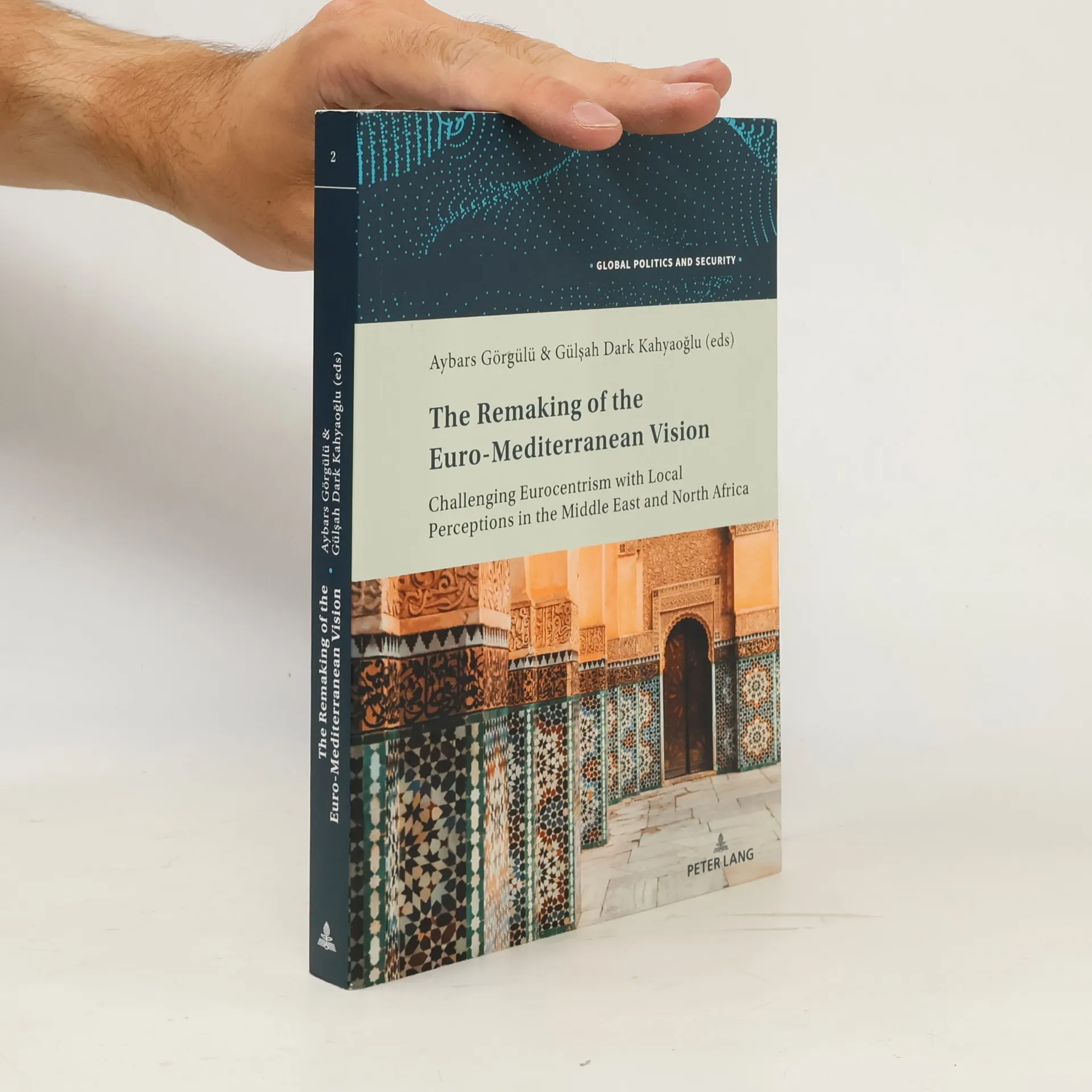
The remaking of the Euro-Mediterranean vision, Aybars Görgülü
- Lingua

- Pubblicato
- 2019
- Rilegatura
- (In brossura),
- Condizioni del libro
- In buone condizioni
- Prezzo
- 20,49 €
Metodi di pagamento
Ancora nessuna valutazione.
- Titolo
- The remaking of the Euro-Mediterranean vision
- Sottotitolo
- Challenging Eurocentrism with Local Perceptions in the Middle East and North Africa
- Lingua
- Inglese
- Autori
- Aybars Görgülü
- Editore
- Peter Lang
- Pubblicato
- 2019
- Formato
- In brossura
- Pagine
- 310
- ISBN10
- 3034338171
- ISBN13
- 9783034338172
- Serie
- Tag
- Descrizione
- This edited collection is a timely and in-depth perception analysis of Euro-Mediterranean relations and the EU policy actions towards the Mediterranean region. The book takes as its departure point the recent geopolitical developments in the Middle East and North Africa, urging the renewal of a Euro-Mediterranean partnership while challenging the ‘Eurocentric orientation of EU policies’ – a critical factor which explains why the EU has been unable to adjust its policies to the region’s fast-changing complexities. The volume subsequently introduces the findings of an elite survey conducted between 2017–2018 with local stakeholders in 9 countries in the Mediterranean. The findings and policy recommendations presented in the book aim to contribute to making EU policies more responsive to major challenges in the region, more flexible on the multilateral and the bilateral level and more inclusive of key stakeholders. This book will interest EU policy-makers, civil society, academics and researchers on EU policy, as well as IR experts in general.