

Maggiori informazioni sul libro
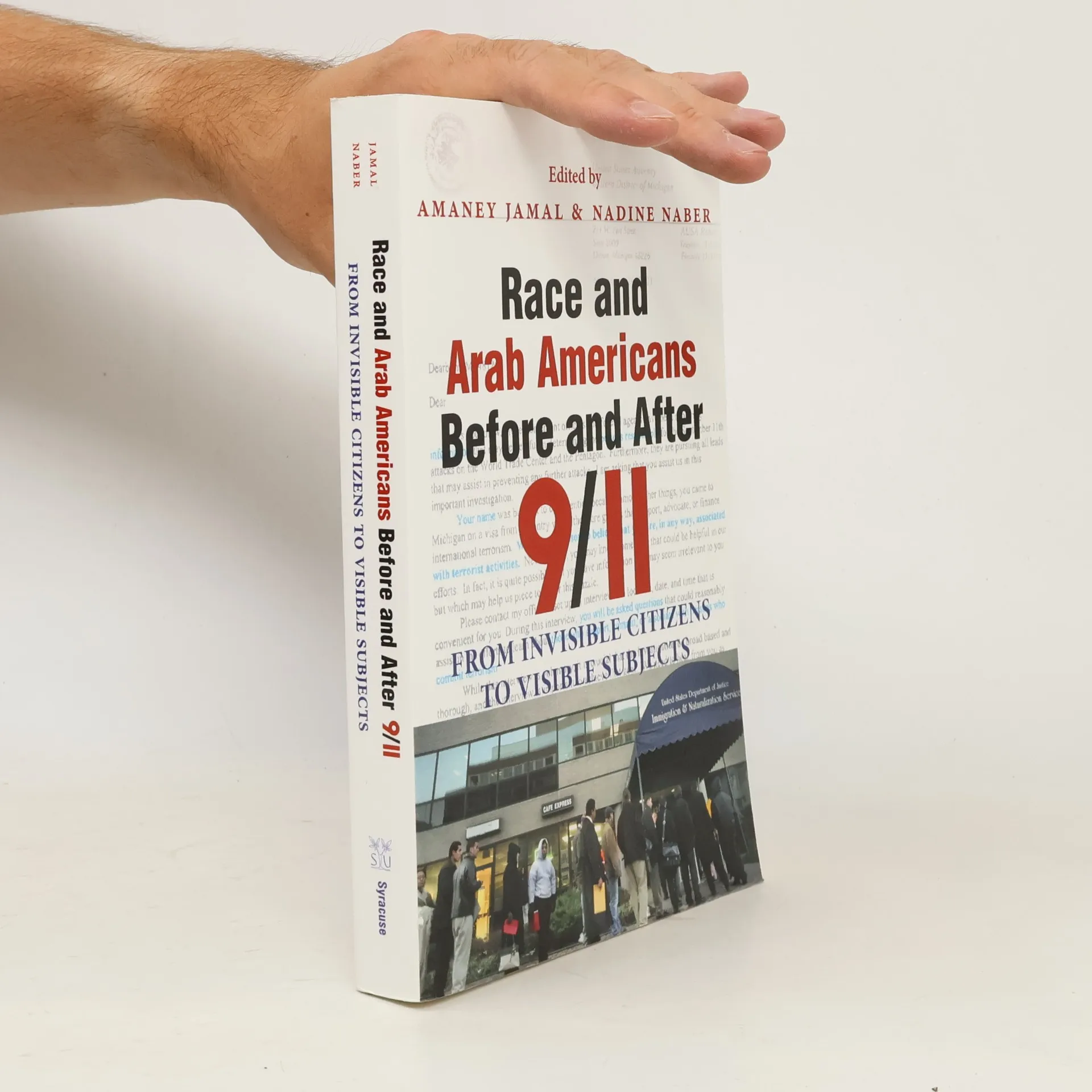
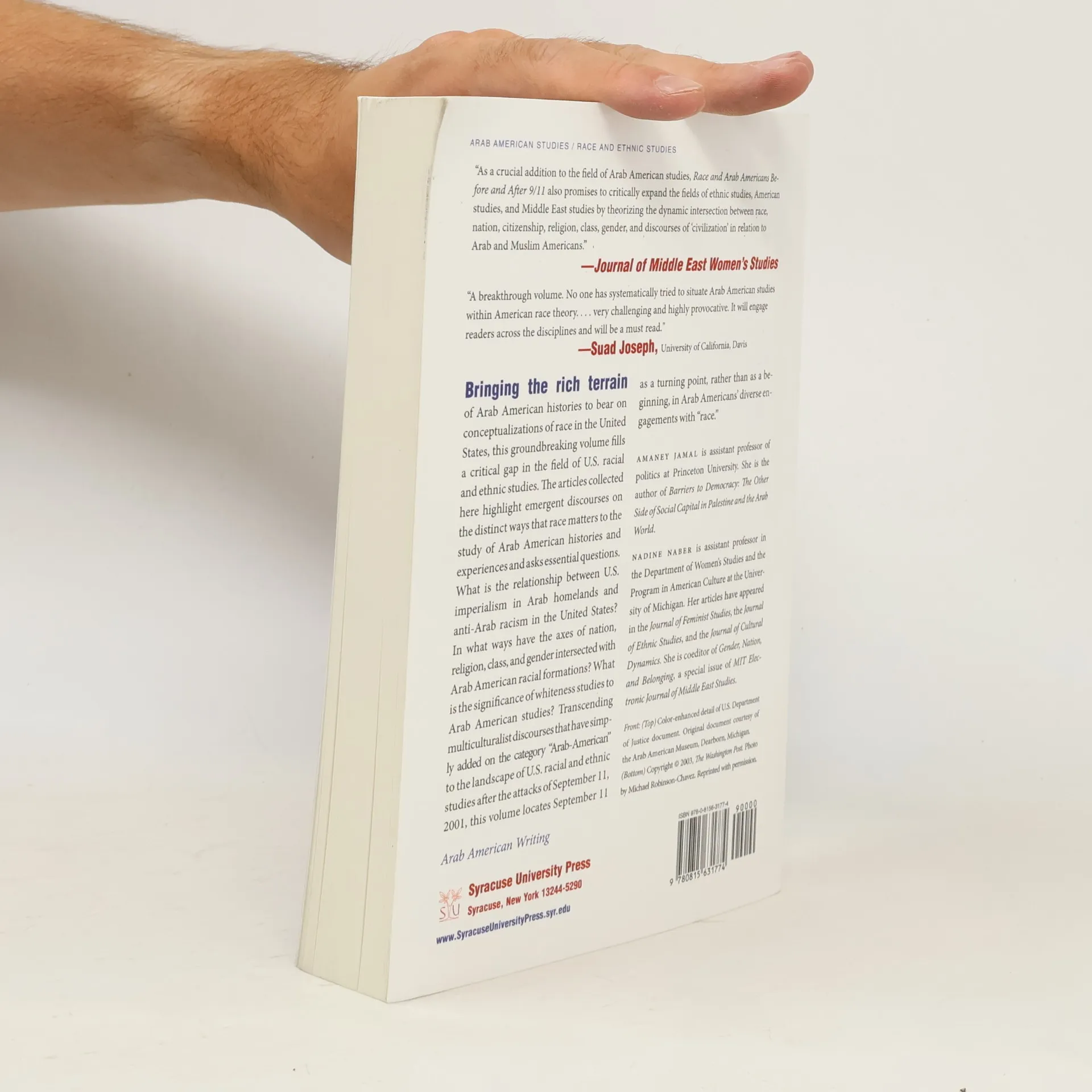
Bringing the rich terrain of Arab American histories to bear on conceptualizations of race in the U.S., this groundbreaking volume fills a critical gap in the field of ethnic studies. Unlike most immigrant communities who either have been consistently marked as "non-white," or have made a transition from "non-white" to "white," Arab Americans historically have been rendered "white" and have increasingly come to be seen as "non-white."This book highlights emergent discourses on the distinct ways that race matters to the study of Arab American histories and asks essential questions. What is the relationship between U.S. imperialism in Arab homelands and anti-Arab racism in the lives of Arab Americans? What are the relationships between religion, class, gender, and anti-Arab racism? What is the significance of whiteness studies to Arab American studies? Transcending multiculturalist discourses after September 11 that have simply "added on" the category "Arab American" to the landscape of U.S. ethnic and racial studies, this volume locates September 11 as a turning point, rather than a beginning, in the history of Arab American engagements with race, multiculturalism, and Americanization.
Acquisto del libro
Race and Arab Americans Before and After 9/11, Nadine Naber, Amaney Jamal
- Lingua

- Pubblicato
- 2007
- Rilegatura
- (In brossura),
- Condizioni del libro
- In buone condizioni
- Prezzo
- 7,29 €
Metodi di pagamento
Ancora nessuna valutazione.
- Titolo
- Race and Arab Americans Before and After 9/11
- Sottotitolo
- From Invisible Citizens to Visible Subjects
- Lingua
- Inglese
- Autori
- Nadine Naber, Amaney Jamal
- Editore
- Syracuse University Press
- Pubblicato
- 2007
- Formato
- In brossura
- Pagine
- 392
- ISBN10
- 0815631774
- ISBN13
- 9780815631774
- Serie
- Categoria
- Descrizione
- Bringing the rich terrain of Arab American histories to bear on conceptualizations of race in the U.S., this groundbreaking volume fills a critical gap in the field of ethnic studies. Unlike most immigrant communities who either have been consistently marked as "non-white," or have made a transition from "non-white" to "white," Arab Americans historically have been rendered "white" and have increasingly come to be seen as "non-white."This book highlights emergent discourses on the distinct ways that race matters to the study of Arab American histories and asks essential questions. What is the relationship between U.S. imperialism in Arab homelands and anti-Arab racism in the lives of Arab Americans? What are the relationships between religion, class, gender, and anti-Arab racism? What is the significance of whiteness studies to Arab American studies? Transcending multiculturalist discourses after September 11 that have simply "added on" the category "Arab American" to the landscape of U.S. ethnic and racial studies, this volume locates September 11 as a turning point, rather than a beginning, in the history of Arab American engagements with race, multiculturalism, and Americanization.