

Maggiori informazioni sul libro
Syria was once one of the Middle Easts most stable states. Today it is a country on its knees. Almost 200,000 people are estimated to have died in its bloody internal conflict and, as the violence intensifies, Syrias future looks bleak. In this timely book, Samer Abboud provides an in-depth analysis of Syrias descent into civil war. He unravels the complex and multi-layered causes of the current political and military stalemate - from rebel fragmentation to the differing roles of international actors, and the rise of competing centers of power throughout the country. Rebel in-fighting and the lack of a centralizing authority, he contends, have exacerbated Syrias fragmentation and fragility. This, in turn, has aided the survival of the Assad regime, contributed to the upsurge of sectarianism, and led to a major humanitarian crisis as nine million Syrians have been forced to flee their homes. A resolution to the Syrian conflict seems unlikely in the short-term as the major actors remains committed to a military solution. As this situation persists, the continued fighting is reshaping Syrias borders and will have repercussions on the wider Middle East for decades to come.
Acquisto del libro
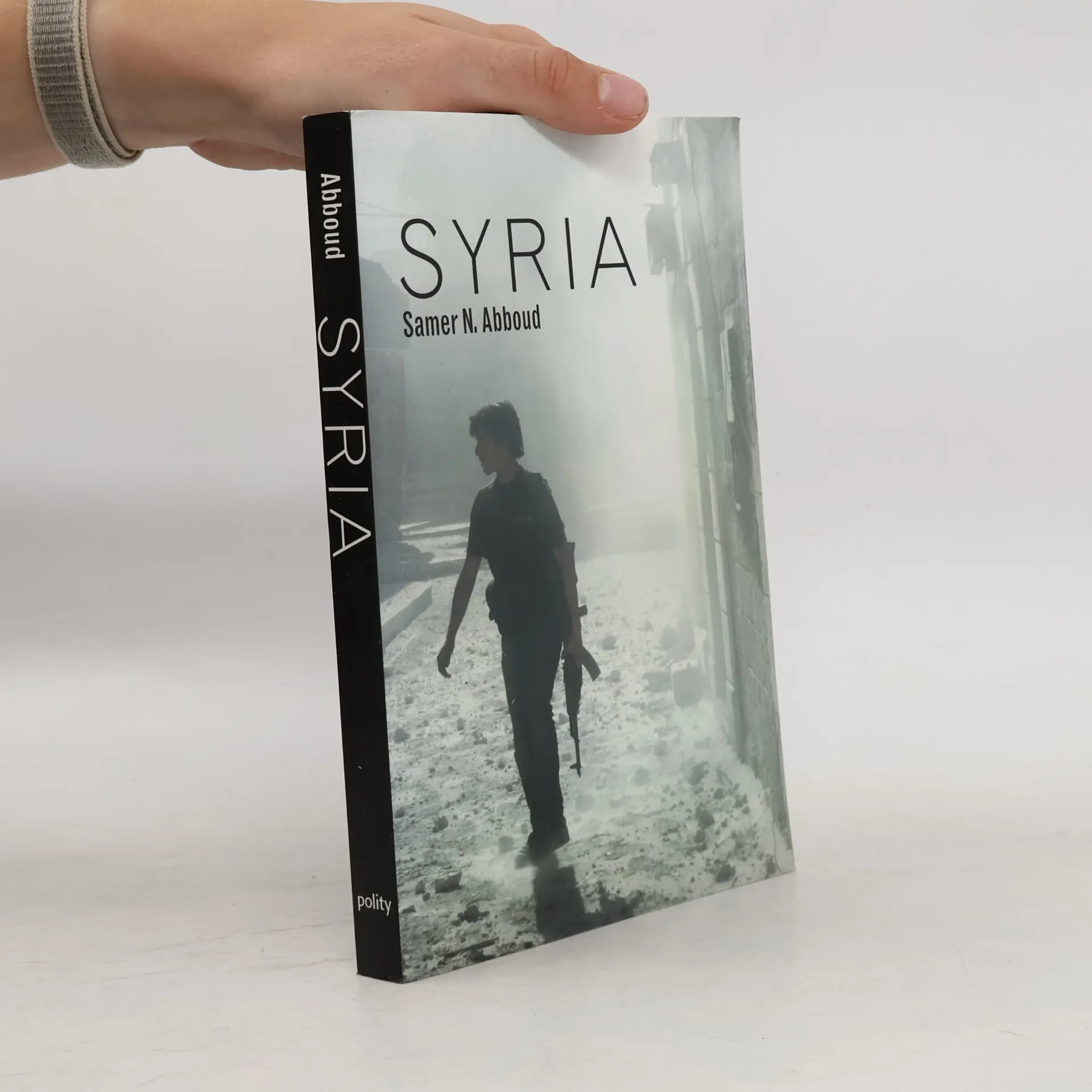
Syria, Samer Nassif Abboud
- Lingua

- Pubblicato
- 2015
- Rilegatura
- (In brossura)
Metodi di pagamento
Ancora nessuna valutazione.
- Titolo
- Syria
- Lingua
- Inglese
- Autori
- Samer Nassif Abboud
- Editore
- Polity
- Pubblicato
- 2015
- Formato
- In brossura
- Pagine
- 248
- ISBN10
- 0745697984
- ISBN13
- 9780745697987
- Serie
- Categoria
- Tag
- Descrizione
- Syria was once one of the Middle Easts most stable states. Today it is a country on its knees. Almost 200,000 people are estimated to have died in its bloody internal conflict and, as the violence intensifies, Syrias future looks bleak. In this timely book, Samer Abboud provides an in-depth analysis of Syrias descent into civil war. He unravels the complex and multi-layered causes of the current political and military stalemate - from rebel fragmentation to the differing roles of international actors, and the rise of competing centers of power throughout the country. Rebel in-fighting and the lack of a centralizing authority, he contends, have exacerbated Syrias fragmentation and fragility. This, in turn, has aided the survival of the Assad regime, contributed to the upsurge of sectarianism, and led to a major humanitarian crisis as nine million Syrians have been forced to flee their homes. A resolution to the Syrian conflict seems unlikely in the short-term as the major actors remains committed to a military solution. As this situation persists, the continued fighting is reshaping Syrias borders and will have repercussions on the wider Middle East for decades to come.