

Maggiori informazioni sul libro
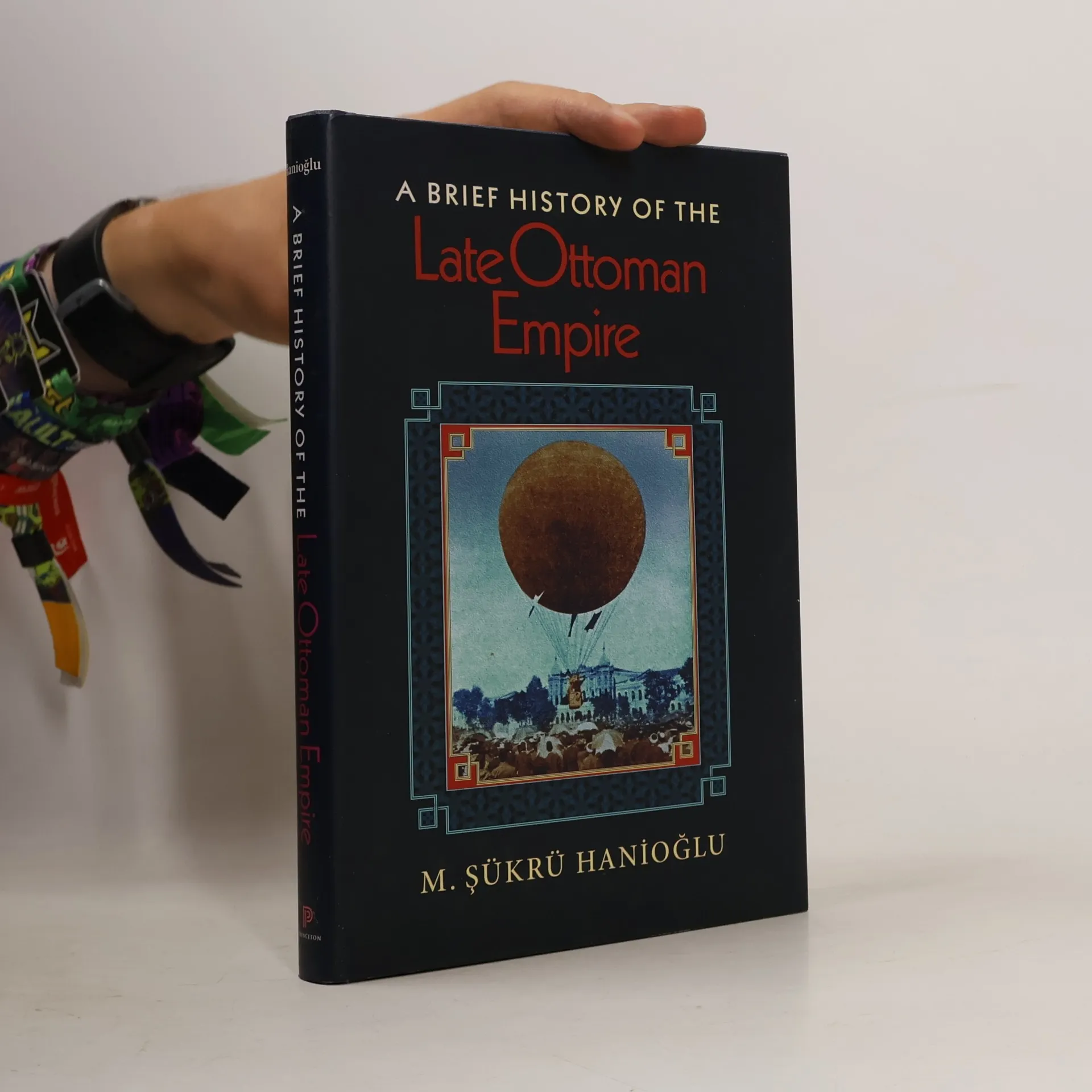
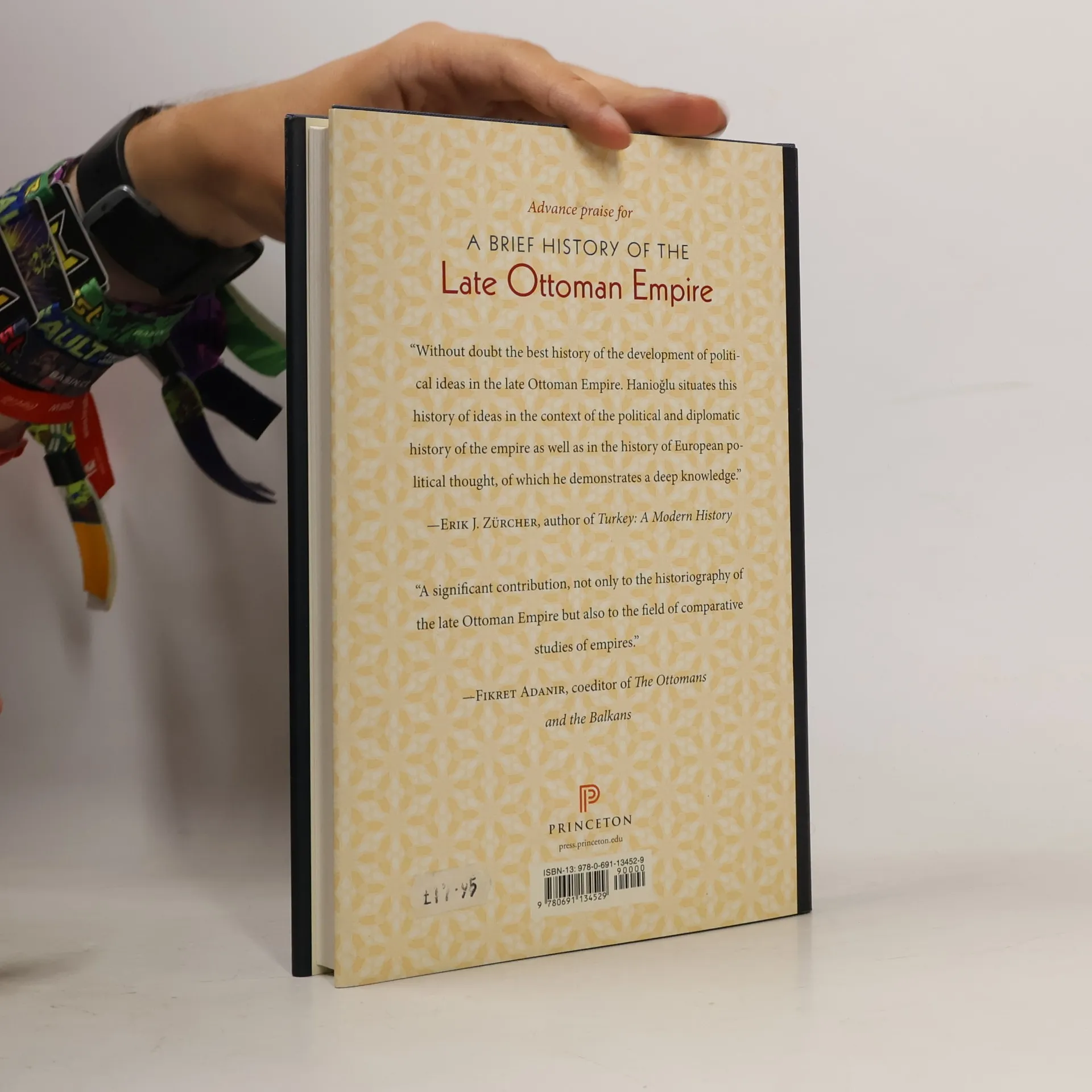
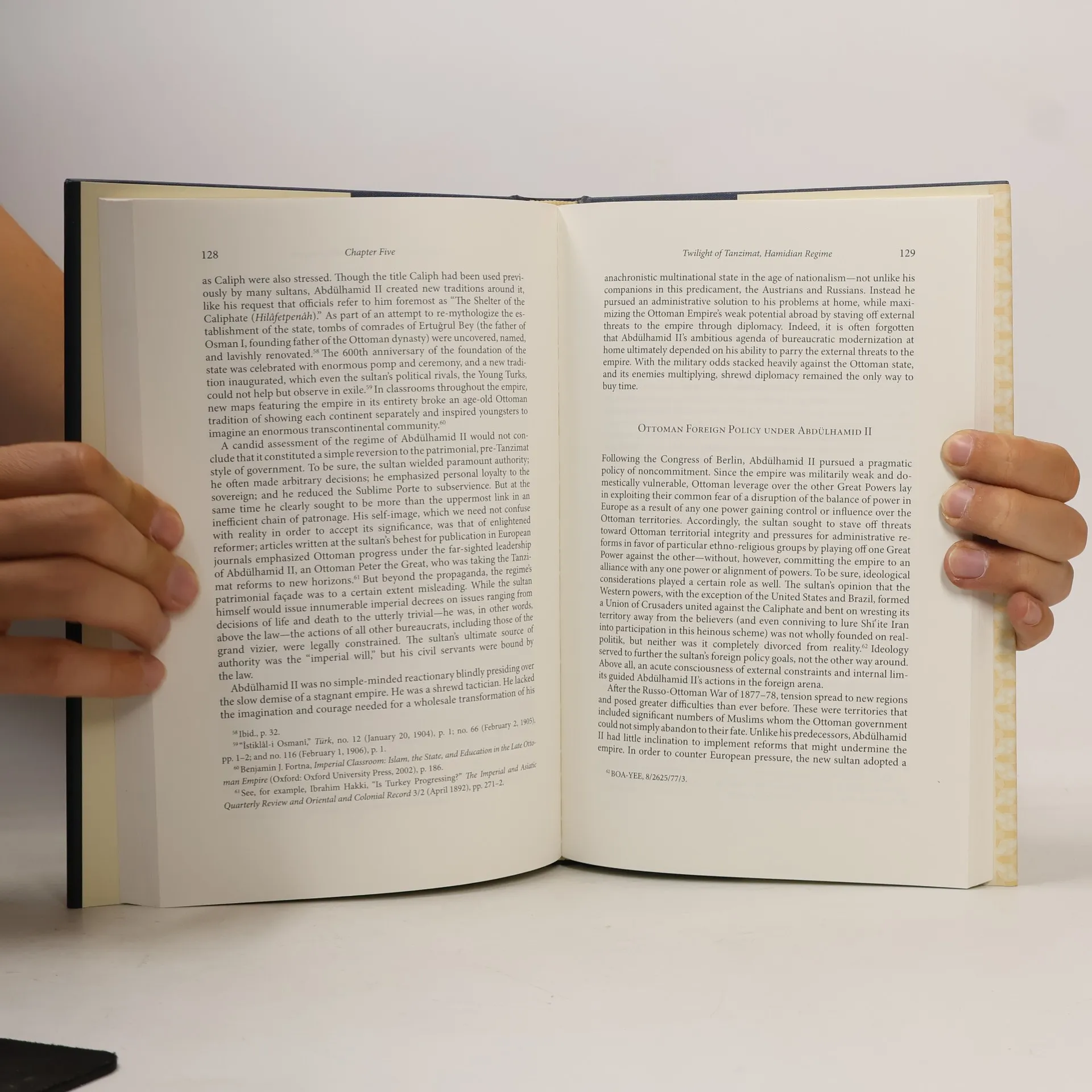
At the turn of the nineteenth century, the Ottoman Empire spanned three continents, showcasing remarkable ethnic and cultural diversity among its estimated thirty million inhabitants. This period was marked by significant social change and volatility. The narrative provides a concise overview of the late empire from 1789 to 1918, focusing on broad historical trends rather than isolated events. M. Sukru Hanioglu highlights the imperial struggle for centralization against strong opposition from local rulers, nationalist movements, and foreign powers. He delves into the socioeconomic transformations that accompanied this struggle and the empire's responses to modernity's challenges. This history is crucial for understanding modern Turkey and its connections to European and global histories. Hanioglu vividly depicts Ottoman society's multifaceted nature—cultural, diplomatic, intellectual, literary, military, and political—drawing from imperial archives and documents to present an authentic portrayal, countering postimperial nationalist narratives. This work is essential for anyone interested in the enduring legacy of the Ottoman Empire and its impact on contemporary issues.
Acquisto del libro
A Brief History of the Late Ottoman Empire, M. Şükrü Hanioğlu
- Lingua

- Pubblicato
- 2008
- Rilegatura
- (Copertina rigida)
Metodi di pagamento
Ancora nessuna valutazione.
- Titolo
- A Brief History of the Late Ottoman Empire
- Lingua
- Inglese
- Autori
- M. Şükrü Hanioğlu
- Editore
- Princeton University Press
- Pubblicato
- 2008
- Formato
- Copertina rigida
- Pagine
- 241
- ISBN10
- 0691134529
- ISBN13
- 9780691134529
- Serie
- Descrizione
- At the turn of the nineteenth century, the Ottoman Empire spanned three continents, showcasing remarkable ethnic and cultural diversity among its estimated thirty million inhabitants. This period was marked by significant social change and volatility. The narrative provides a concise overview of the late empire from 1789 to 1918, focusing on broad historical trends rather than isolated events. M. Sukru Hanioglu highlights the imperial struggle for centralization against strong opposition from local rulers, nationalist movements, and foreign powers. He delves into the socioeconomic transformations that accompanied this struggle and the empire's responses to modernity's challenges. This history is crucial for understanding modern Turkey and its connections to European and global histories. Hanioglu vividly depicts Ottoman society's multifaceted nature—cultural, diplomatic, intellectual, literary, military, and political—drawing from imperial archives and documents to present an authentic portrayal, countering postimperial nationalist narratives. This work is essential for anyone interested in the enduring legacy of the Ottoman Empire and its impact on contemporary issues.