


Parametri
- 368pagine
- 13 ore di lettura
Maggiori informazioni sul libro
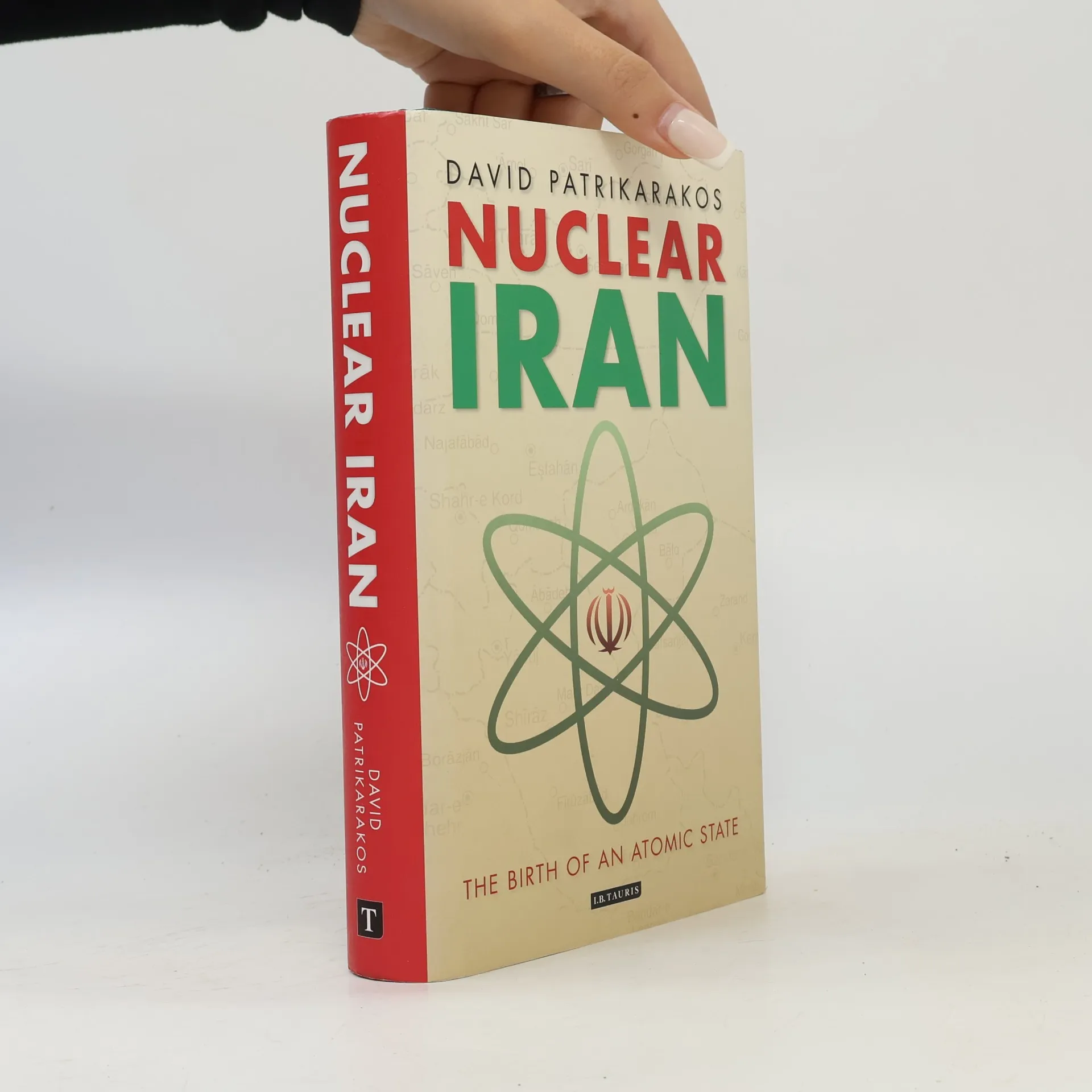
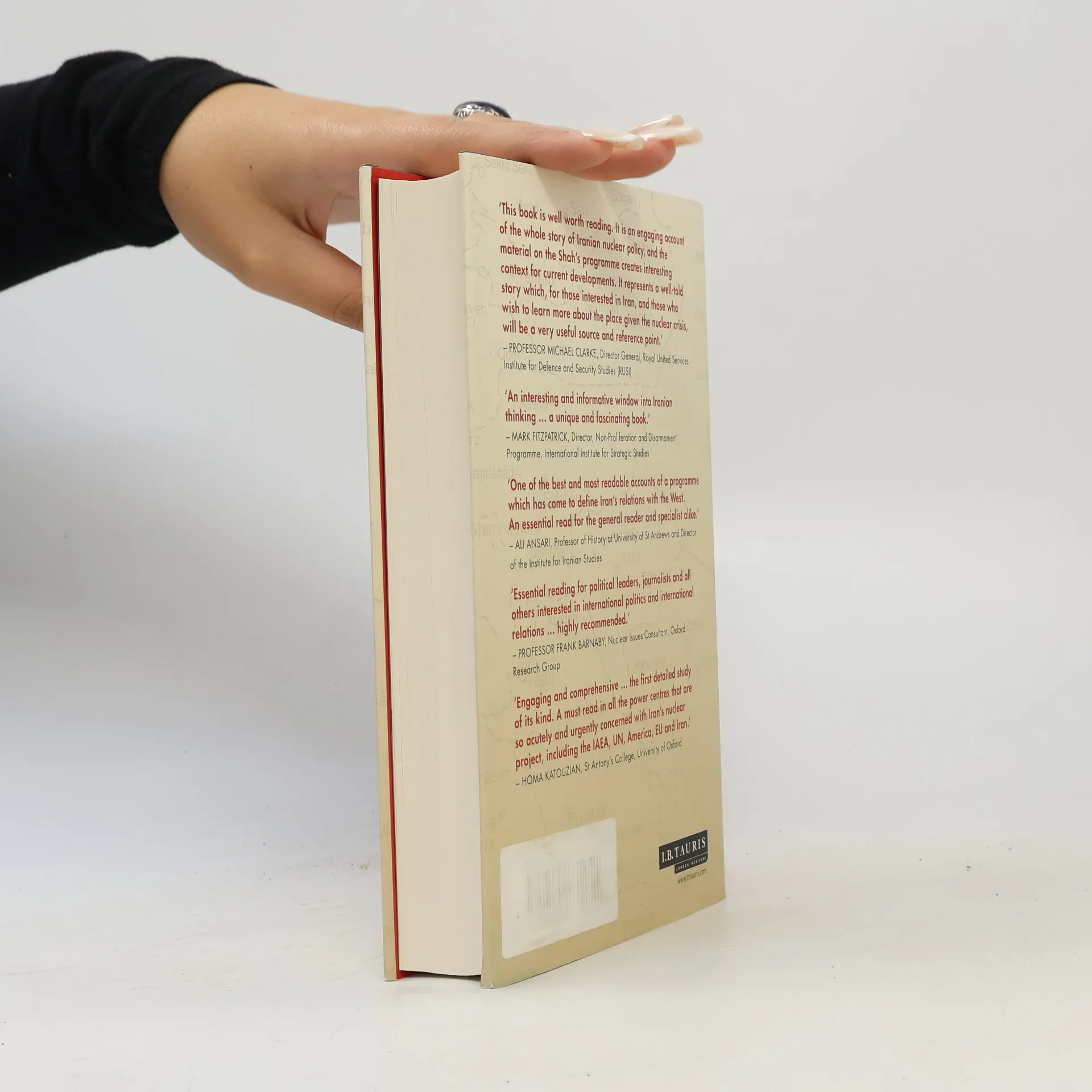
The Iranian nuclear crisis has dominated world politics since the beginning of the century, with Iran now facing increasing diplomatic isolation, talk of military strikes against its nuclear facilities and a disastrous Middle East war. There is little real understanding of Iran's nuclear program, in particular its history, which is now over fifty years old. This groundbreaking book, unprecedented in its scope, argues that the history of Iran's nuclear program and the modern history of the country itself are irretrievably linked; only by understanding one can we understand the other. From the program's beginnings under the Shah of Iran, the book details the US's central role in the birth of nuclear Iran and, through the relationship between the program's founder and the Shah of Iran himself, the role that weapons have played in the program since the beginning. David Patrikarakos's unique access to "the father" of Iran's nuclear program, as well as to key scientific personnel under the early Islamic Republic and to senior Iranian and Western officials at the center of today's negotiations, sheds new light on the uranium enrichment program that lies at the heart of global concerns.
Acquisto del libro
Nuclear Iran, David Patrikarakos
- Lingua

- Pubblicato
- 2012
- Rilegatura
- (Copertina rigida)
Metodi di pagamento
Ancora nessuna valutazione.
- Titolo
- Nuclear Iran
- Sottotitolo
- The Birth of an Atomic State
- Lingua
- Inglese
- Autori
- David Patrikarakos
- Editore
- I.B. Tauris
- Pubblicato
- 2012
- Formato
- Copertina rigida
- Pagine
- 368
- ISBN10
- 1780761252
- ISBN13
- 9781780761251
- Serie
- Tag
- Tema stórico, Politica, Scienza, Teorie Politiche, Relazioni internazionali, Scienze ambientali, Iran, Geopolitica, Armi nucleari
- Descrizione
- The Iranian nuclear crisis has dominated world politics since the beginning of the century, with Iran now facing increasing diplomatic isolation, talk of military strikes against its nuclear facilities and a disastrous Middle East war. There is little real understanding of Iran's nuclear program, in particular its history, which is now over fifty years old. This groundbreaking book, unprecedented in its scope, argues that the history of Iran's nuclear program and the modern history of the country itself are irretrievably linked; only by understanding one can we understand the other. From the program's beginnings under the Shah of Iran, the book details the US's central role in the birth of nuclear Iran and, through the relationship between the program's founder and the Shah of Iran himself, the role that weapons have played in the program since the beginning. David Patrikarakos's unique access to "the father" of Iran's nuclear program, as well as to key scientific personnel under the early Islamic Republic and to senior Iranian and Western officials at the center of today's negotiations, sheds new light on the uranium enrichment program that lies at the heart of global concerns.