

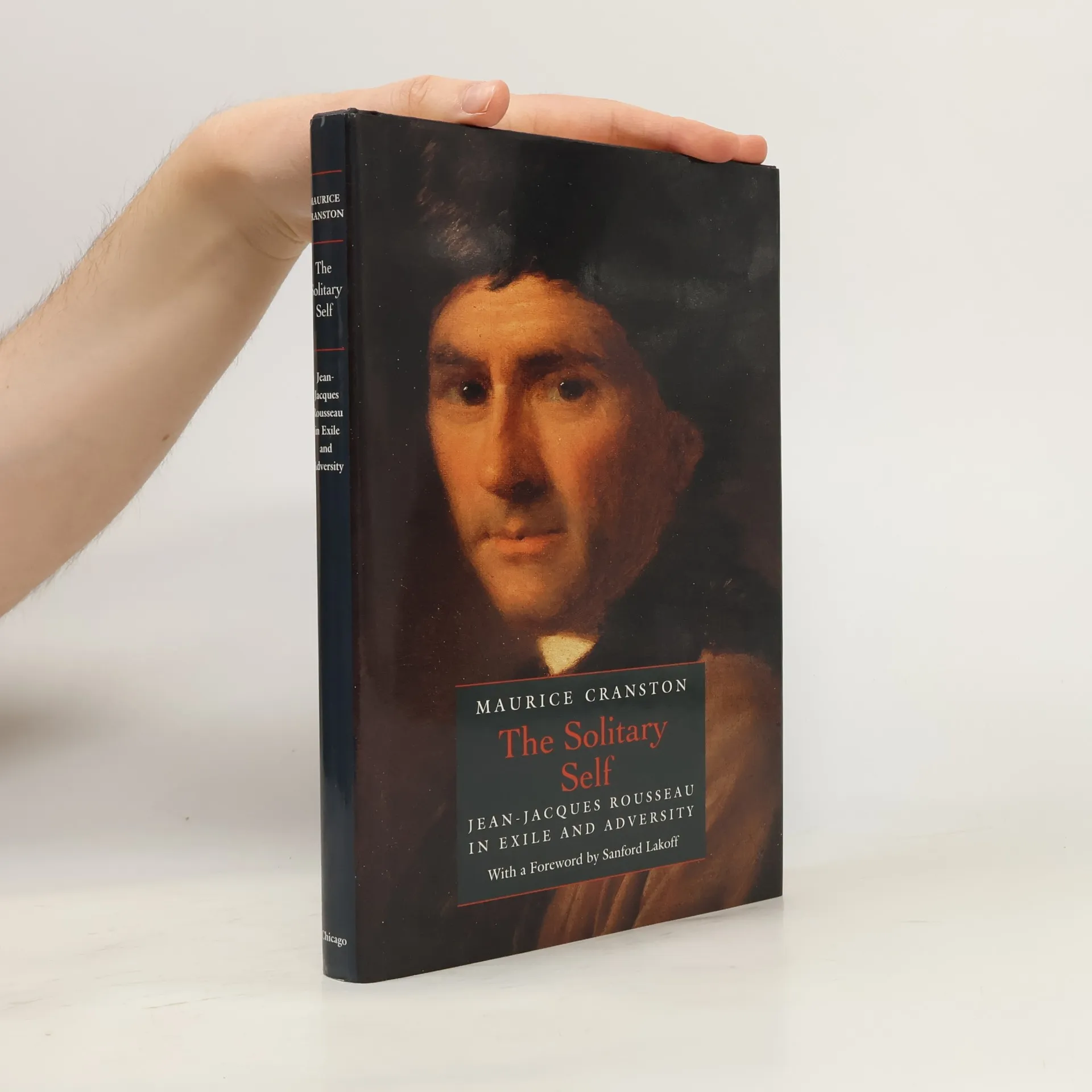
The Solitary Self
Jean-Jacques Rousseau in Exile and Adversity
Maggiori informazioni sul libro
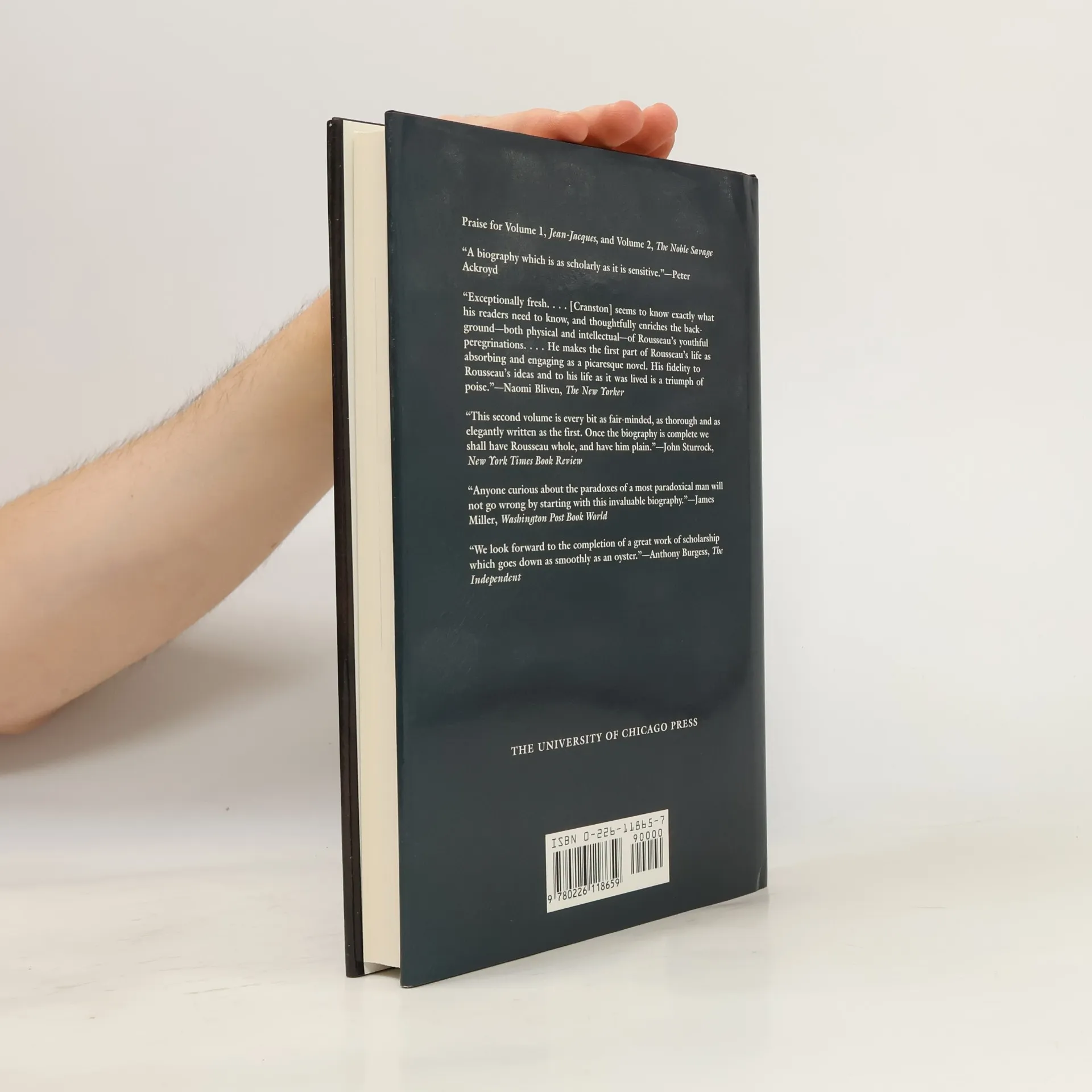
In this final volume of a masterful biography, Maurice Cranston explores the tumultuous last years of Jean-Jacques Rousseau's life. It covers his significant works, including the Confessions, Dialogues, and Reveries, as well as his controversial religious beliefs and his infamous dispute with David Hume in England. Following the condemnation of Émile and The Social Contract in 1762, Rousseau fled Paris, seeking refuge in Neuchâtel and England, becoming a social outcast plagued by feelings of persecution. In his despair, he turned to autobiographical writing to express his innocence and integrity. This period of introspection led to some of the most enduring literature of his time. Cranston's portrayal is both sympathetic and balanced, detailing Rousseau's struggles with a blend of compassion and dry humor. The work is praised for its rich historical context within Europe's ancien regime, offering readers a comprehensive view of Rousseau's life and the societal pressures he faced. This biography is celebrated for its scholarship, capturing the daily life of Rousseau and establishing itself as the authoritative account of his legacy.
Acquisto del libro
The Solitary Self, Maurice William Cranston, Sanford Lakoff
- Lingua

- Pubblicato
- 1997
- Rilegatura
- (Copertina rigida)
Metodi di pagamento
Ancora nessuna valutazione.
- Titolo
- The Solitary Self
- Sottotitolo
- Jean-Jacques Rousseau in Exile and Adversity
- Lingua
- Inglese
- Pubblicato
- 1997
- Formato
- Copertina rigida
- Pagine
- 267
- ISBN10
- 0226118657
- ISBN13
- 9780226118659
- Serie
- Descrizione
- In this final volume of a masterful biography, Maurice Cranston explores the tumultuous last years of Jean-Jacques Rousseau's life. It covers his significant works, including the Confessions, Dialogues, and Reveries, as well as his controversial religious beliefs and his infamous dispute with David Hume in England. Following the condemnation of Émile and The Social Contract in 1762, Rousseau fled Paris, seeking refuge in Neuchâtel and England, becoming a social outcast plagued by feelings of persecution. In his despair, he turned to autobiographical writing to express his innocence and integrity. This period of introspection led to some of the most enduring literature of his time. Cranston's portrayal is both sympathetic and balanced, detailing Rousseau's struggles with a blend of compassion and dry humor. The work is praised for its rich historical context within Europe's ancien regime, offering readers a comprehensive view of Rousseau's life and the societal pressures he faced. This biography is celebrated for its scholarship, capturing the daily life of Rousseau and establishing itself as the authoritative account of his legacy.