

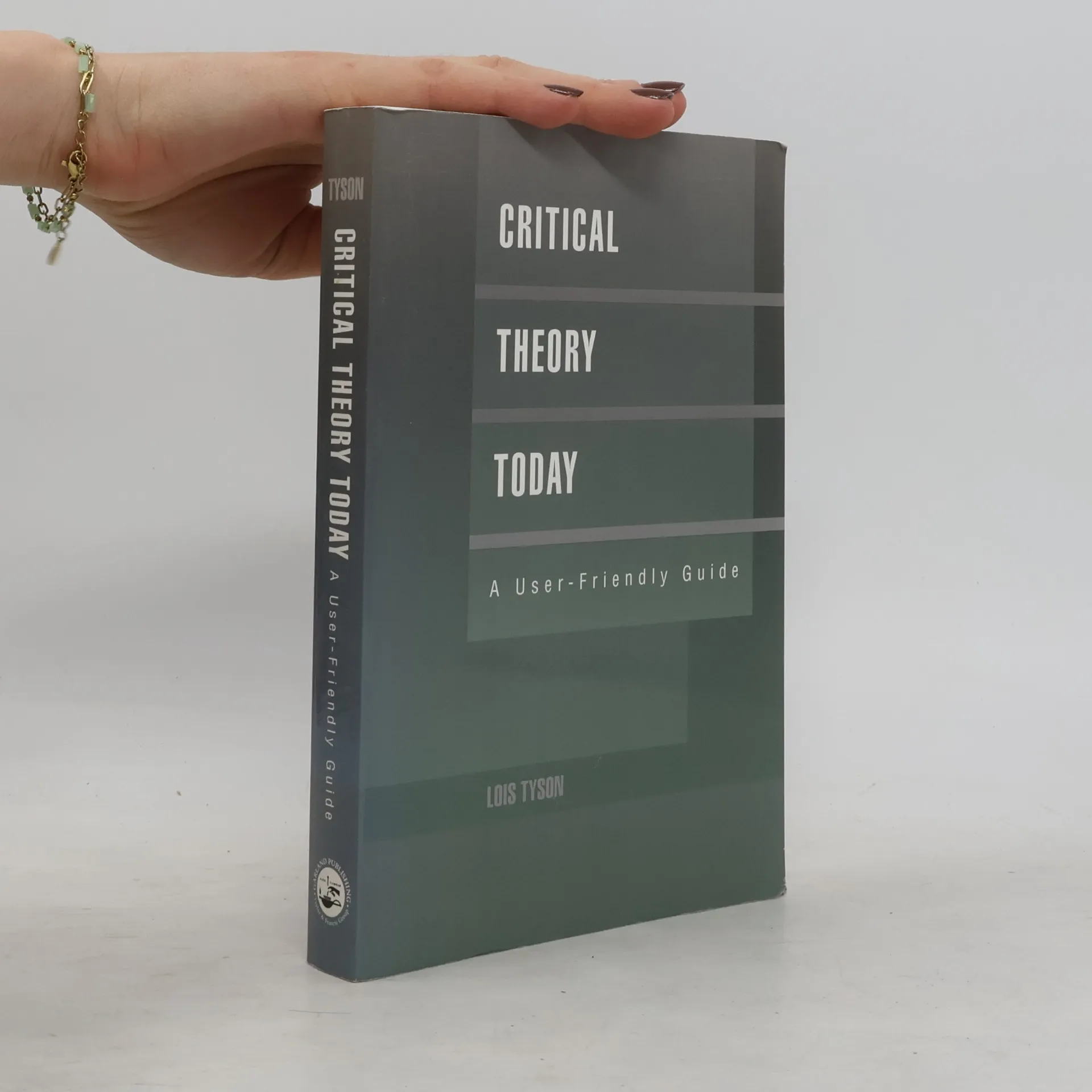


Critical Theory Today
A User-Friendly Guide
Autori
Parametri
- 456pagine
- 16 ore di lettura
Maggiori informazioni sul libro
This accessible guide offers a thorough introduction to contemporary critical theory. It provides in-depth coverage of the most common approaches to literary analysis today: feminism, psychoanalysis, Marxism, reader-response theory, new criticism, structuralism and semiotics, deconstruction, new historicism, cultural criticism, lesbian/gay/queer theory, African-American criticism, and postcolonial criticism. The chapters provide an extended explanation of each theory, using examples from everyday life, popular culture, and literary texts; a list of specific questions critics who use that theory ask about literary texts; an interpretation of F. Scott Fitzgerald's The Great Gatsby through the lens of each theory; a list of questions for further practice to guide readers in applying each theory to different literary works; and a bibliography of primary and secondary works for further reading.
Acquisto del libro
Critical Theory Today, Lois Tyson
- Lingua

- Pubblicato
- 1998
- Rilegatura
- (In brossura)
Metodi di pagamento
Ancora nessuna valutazione.
- Titolo
- Critical Theory Today
- Sottotitolo
- A User-Friendly Guide
- Lingua
- Inglese
- Autori
- Lois Tyson
- Editore
- Routledge
- Pubblicato
- 1998
- Formato
- In brossura
- Pagine
- 456
- ISBN10
- 0815328796
- ISBN13
- 9780815328797
- Serie
- Tag
- Manuali e guide, USA, Scuola, Critica letteraria, Teorie Scientifiche, Critica, Teoria letteraria
- Descrizione
- This accessible guide offers a thorough introduction to contemporary critical theory. It provides in-depth coverage of the most common approaches to literary analysis today: feminism, psychoanalysis, Marxism, reader-response theory, new criticism, structuralism and semiotics, deconstruction, new historicism, cultural criticism, lesbian/gay/queer theory, African-American criticism, and postcolonial criticism. The chapters provide an extended explanation of each theory, using examples from everyday life, popular culture, and literary texts; a list of specific questions critics who use that theory ask about literary texts; an interpretation of F. Scott Fitzgerald's The Great Gatsby through the lens of each theory; a list of questions for further practice to guide readers in applying each theory to different literary works; and a bibliography of primary and secondary works for further reading.