

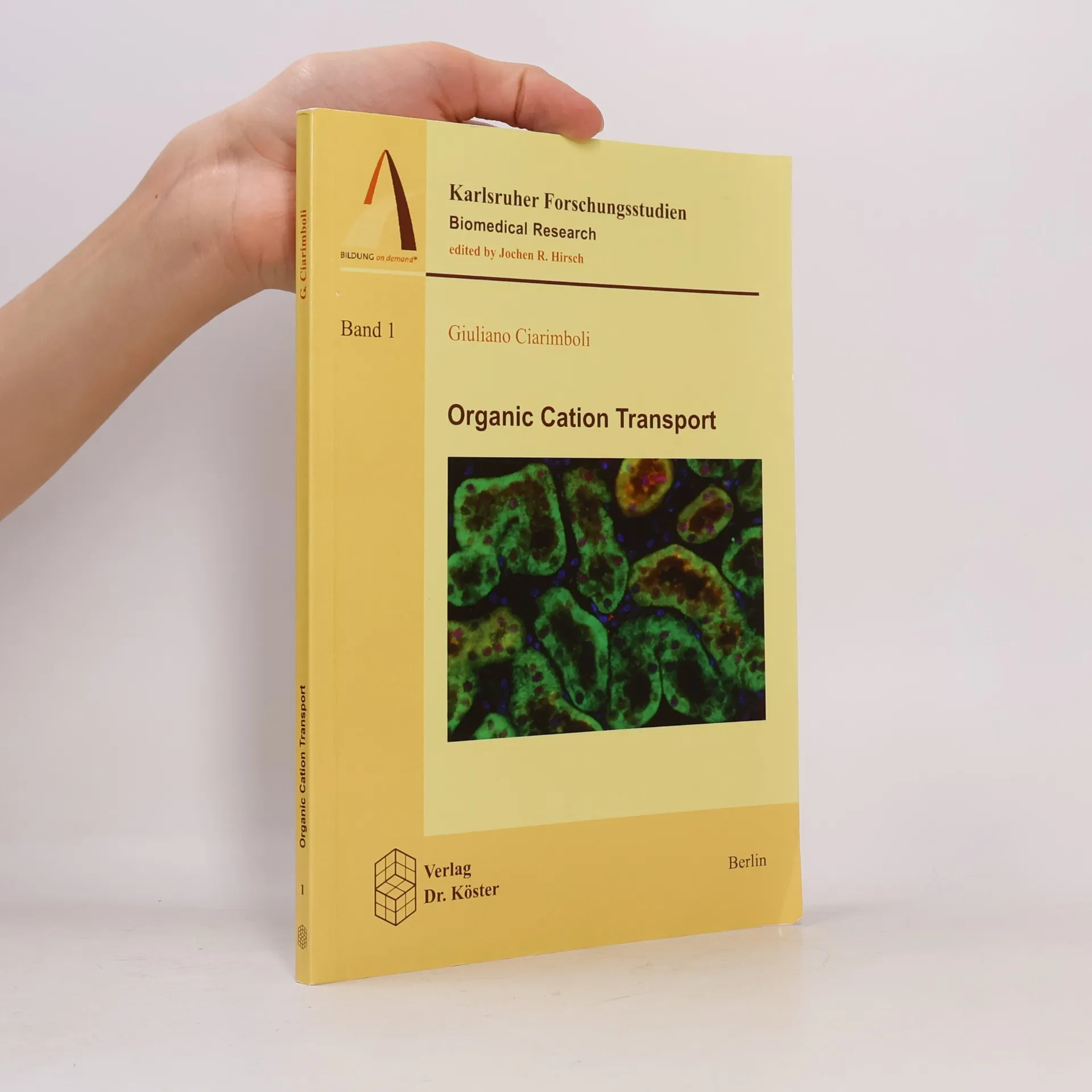
Organic cation transport
Autori
Maggiori informazioni sul libro
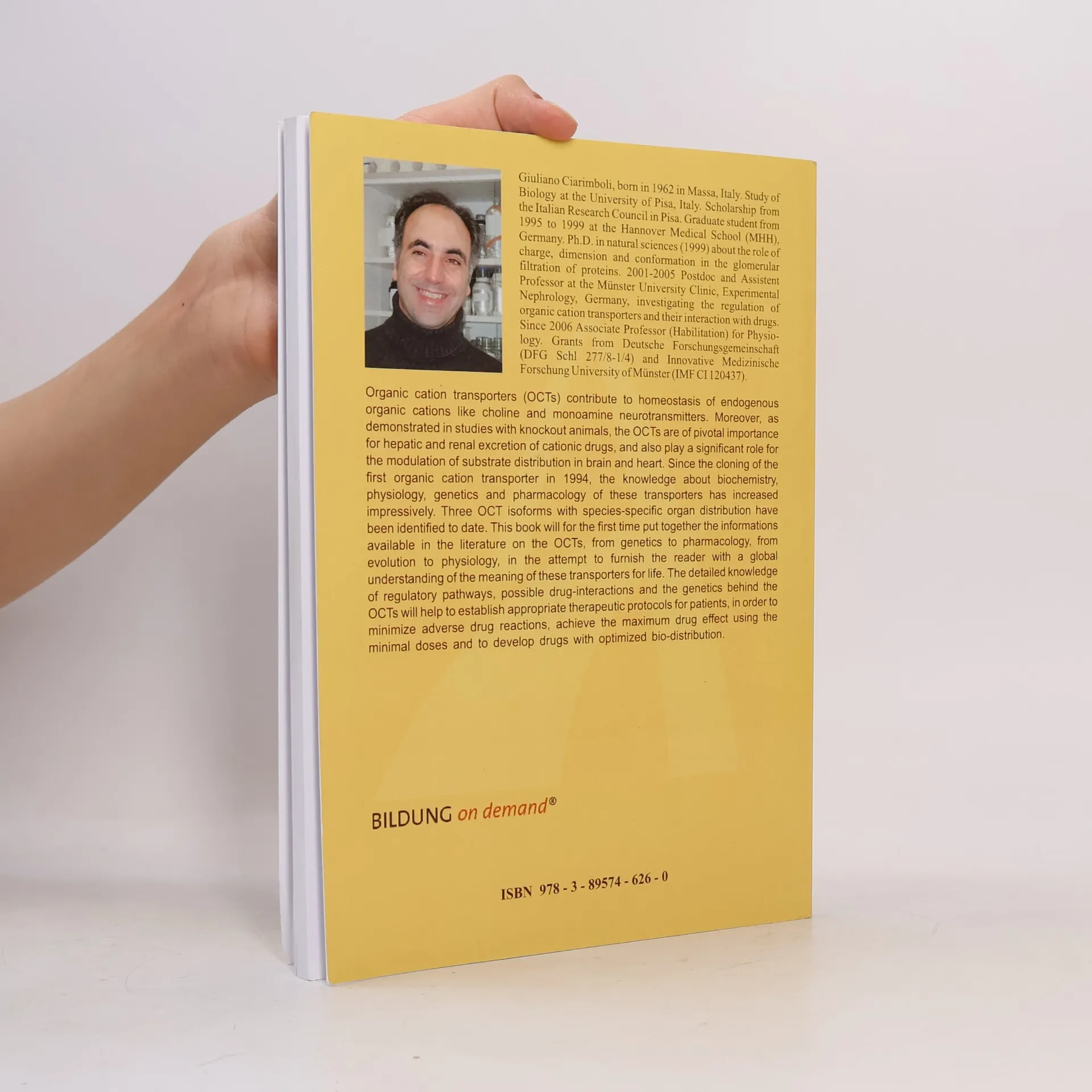
Organic cation transporters (OCTs) contribute to homeostasis of endogenous organic cations like choline and monoamine neurotransmitters. Moreover, as demonstrated in studies with knockout animals, the OCTs are of pivotal importance for hepatic and renal excretion of cationic drugs, and also play a significant role for the modulation of substrate distribution in brain and heart. Since the cloning of the first organic cation transporter in 1994, the knowledge about biochemistry, physiology, genetics and pharmacology of these transporters has increased impressively. Three OCT isoforms with species-specific organ distribution have been identified to date. This book will for the first time put together the informations available in the literature on the OCTs, from genetics to pharmacology, from evolution to physiology, in the attempt to furnish the reader with a global understanding of the meaning of these transporters for life. The detailed knowledge of regulatory pathways, possible drug-interactions and the genetics behind the OCTs will help to establish appropriate therapeutic protocols for patients, in order to minimize adverse drug reactions, achieve the maximum drug effect using the minimal doses and to develop drugs with optimized bio-distribution.
Acquisto del libro
Organic cation transport, Giuliano Ciarimboli
- Lingua

- Pubblicato
- 2007
- Rilegatura
- (In brossura),
- Condizioni del libro
- In buone condizioni
- Prezzo
- 1,59 €
Metodi di pagamento
Ancora nessuna valutazione.
- Titolo
- Organic cation transport
- Lingua
- Inglese
- Autori
- Giuliano Ciarimboli
- Editore
- Köster
- Pubblicato
- 2007
- Formato
- In brossura
- Pagine
- 132
- ISBN10
- 3895746266
- ISBN13
- 9783895746260
- Serie
- Descrizione
- Organic cation transporters (OCTs) contribute to homeostasis of endogenous organic cations like choline and monoamine neurotransmitters. Moreover, as demonstrated in studies with knockout animals, the OCTs are of pivotal importance for hepatic and renal excretion of cationic drugs, and also play a significant role for the modulation of substrate distribution in brain and heart. Since the cloning of the first organic cation transporter in 1994, the knowledge about biochemistry, physiology, genetics and pharmacology of these transporters has increased impressively. Three OCT isoforms with species-specific organ distribution have been identified to date. This book will for the first time put together the informations available in the literature on the OCTs, from genetics to pharmacology, from evolution to physiology, in the attempt to furnish the reader with a global understanding of the meaning of these transporters for life. The detailed knowledge of regulatory pathways, possible drug-interactions and the genetics behind the OCTs will help to establish appropriate therapeutic protocols for patients, in order to minimize adverse drug reactions, achieve the maximum drug effect using the minimal doses and to develop drugs with optimized bio-distribution.