

Maggiori informazioni sul libro
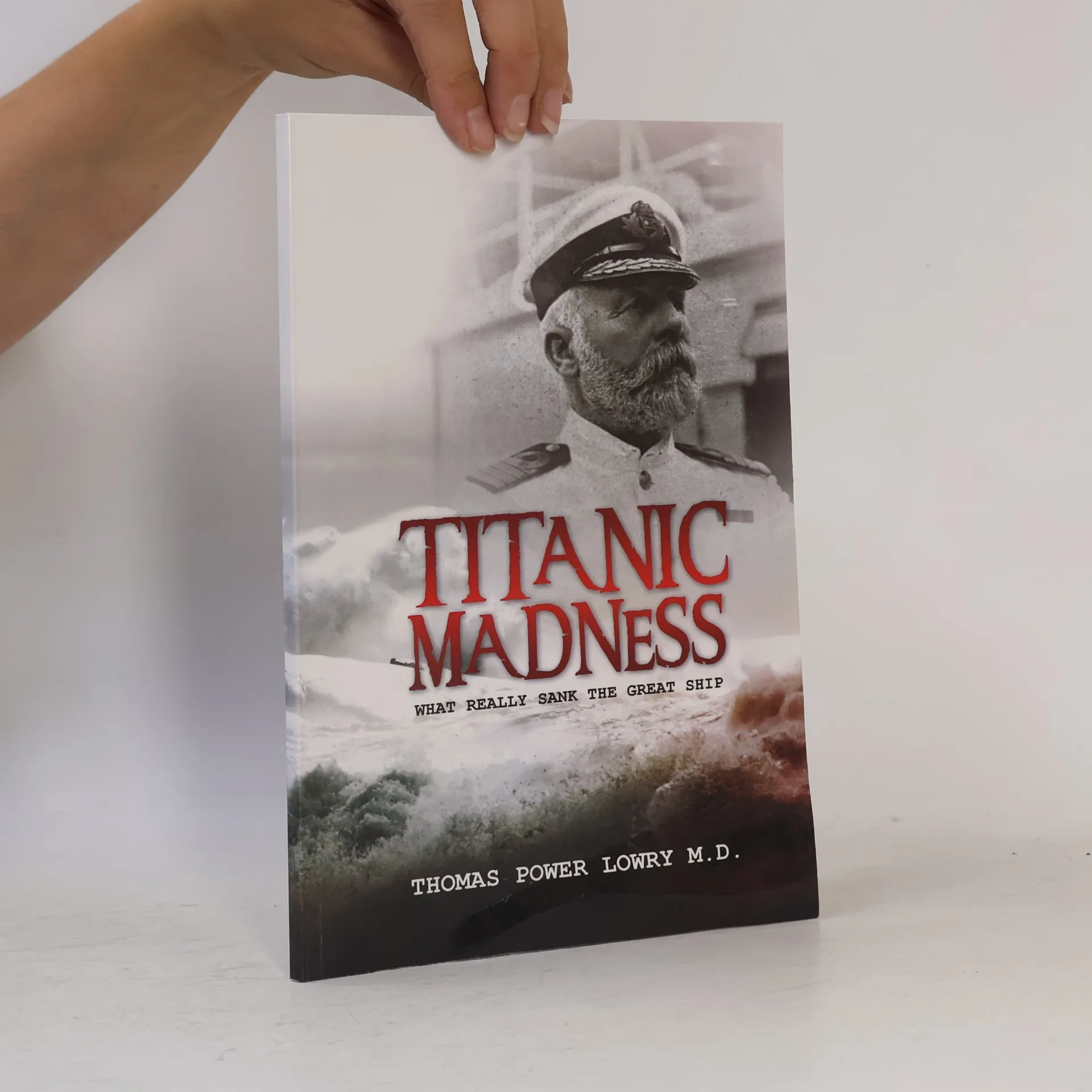
Captain Edward J. Smith, White Star Lines' premier commander, was a man of long experience with both steam and sail. His reputation had no rival. His physical appearance exudes calmness and competence—he looks like a ship's captain. So how could this veteran skipper have ignored a dozen radio warnings of icebergs, and made the decision to increase speed, as darkness felt on a moonless night?In this controversial new book, the author looks at the Titanic's captain from a medical point of view. Analyzing in detail the captain's actions (and omissions) in the fateful 24 hours before the iceberg collision, the author makes a very strong case for previously undiagnosed early Alzheimer's Disease. And why did his officers not notice? Rank and British social class traditions provide an answer.
Acquisto del libro
Titanic Madness, Thomas Power Lowry M.D.
- Lingua

- Pubblicato
- 2012
- Rilegatura
- (In brossura)
Metodi di pagamento
Ancora nessuna valutazione.
- Titolo
- Titanic Madness
- Sottotitolo
- What Really Sank the Great Ship
- Lingua
- Inglese
- Autori
- Thomas Power Lowry M.D.
- Pubblicato
- 2012
- Formato
- In brossura
- Pagine
- 86
- ISBN10
- 1478342692
- ISBN13
- 9781478342694
- Serie
- Categoria
- Tag
- Descrizione
- Captain Edward J. Smith, White Star Lines' premier commander, was a man of long experience with both steam and sail. His reputation had no rival. His physical appearance exudes calmness and competence—he looks like a ship's captain. So how could this veteran skipper have ignored a dozen radio warnings of icebergs, and made the decision to increase speed, as darkness felt on a moonless night?In this controversial new book, the author looks at the Titanic's captain from a medical point of view. Analyzing in detail the captain's actions (and omissions) in the fateful 24 hours before the iceberg collision, the author makes a very strong case for previously undiagnosed early Alzheimer's Disease. And why did his officers not notice? Rank and British social class traditions provide an answer.