



Maggiori informazioni sul libro
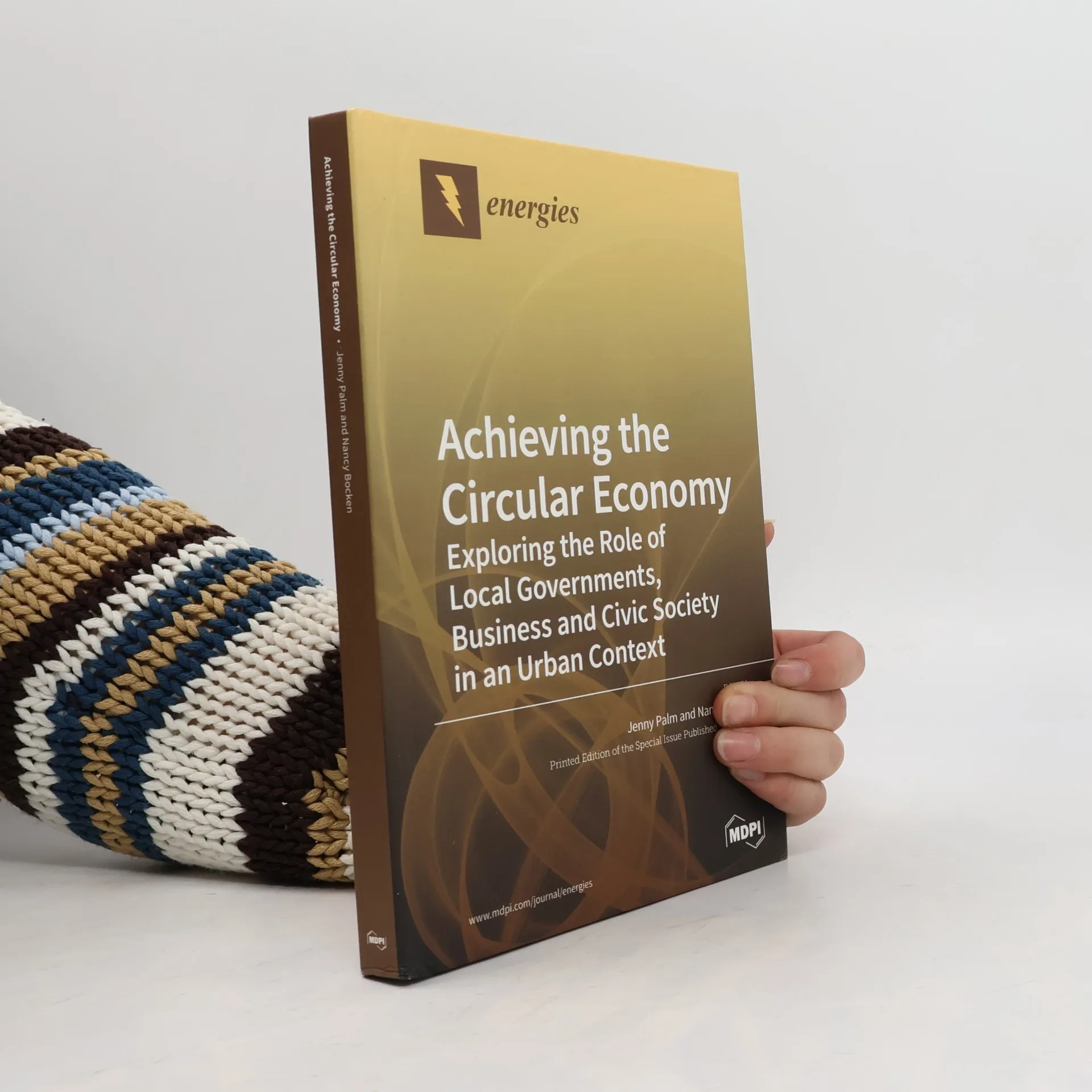
Urbanisation and climate change are pushing cities to find novel pathways leading to a sustainable future. The urban context may be viewed as a new experimentation space to accelerate the transition to a circular economy. Urban symbiosis and the circular economy are emerging concepts attracting more and more attention within the urban context. Moreover, new business models are emerging around sharing and peer-to-peer practices, which are challenging existing roles of actors in society. These developments are having an important impact on the flows of resources and the use of the city infrastructure, and each research area has taken a different perspective in the analysis of such impacts. This Special Issue aims to explore what a “circular city” could constitute and how and why cities engage in circularity. This Special Issue includes seven high-quality papers on the theories and practices of circular cities. Actors, concepts, methods, tools, the barriers to and enablers of circular cities are discussed and a solid base and inspiration for the future development of circular cities are provided.
Acquisto del libro
Energies: Achieving the Circular Economy, Natalie Jenny Palm, Nancy Bocken
- Lingua

- Pubblicato
- 2021
- Rilegatura
- (Copertina rigida),
- Condizioni del libro
- In buone condizioni
- Prezzo
- 43,99 €
Metodi di pagamento
Ancora nessuna valutazione.
- Titolo
- Energies: Achieving the Circular Economy
- Sottotitolo
- Exploring the Role of Local Governments, Business and Civic Society in an Urban Context
- Lingua
- Inglese
- Autori
- Natalie Jenny Palm, Nancy Bocken
- Editore
- MDPI
- Pubblicato
- 2021
- Formato
- Copertina rigida
- Pagine
- 192
- ISBN10
- 3036501185
- ISBN13
- 9783036501185
- Serie
- Categoria
- Descrizione
- Urbanisation and climate change are pushing cities to find novel pathways leading to a sustainable future. The urban context may be viewed as a new experimentation space to accelerate the transition to a circular economy. Urban symbiosis and the circular economy are emerging concepts attracting more and more attention within the urban context. Moreover, new business models are emerging around sharing and peer-to-peer practices, which are challenging existing roles of actors in society. These developments are having an important impact on the flows of resources and the use of the city infrastructure, and each research area has taken a different perspective in the analysis of such impacts. This Special Issue aims to explore what a “circular city” could constitute and how and why cities engage in circularity. This Special Issue includes seven high-quality papers on the theories and practices of circular cities. Actors, concepts, methods, tools, the barriers to and enablers of circular cities are discussed and a solid base and inspiration for the future development of circular cities are provided.