


Parametri
- 64pagine
- 3 ore di lettura
Maggiori informazioni sul libro
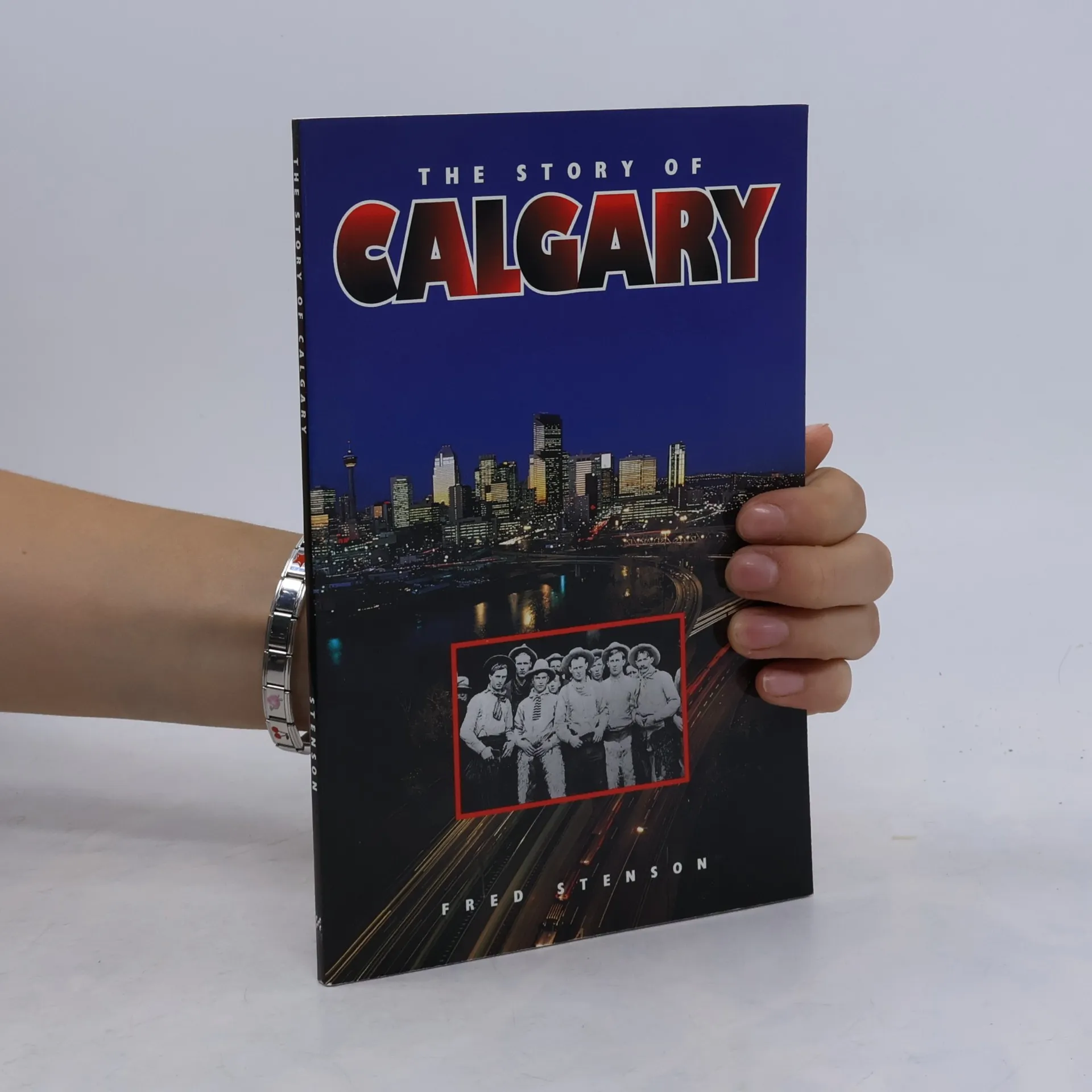
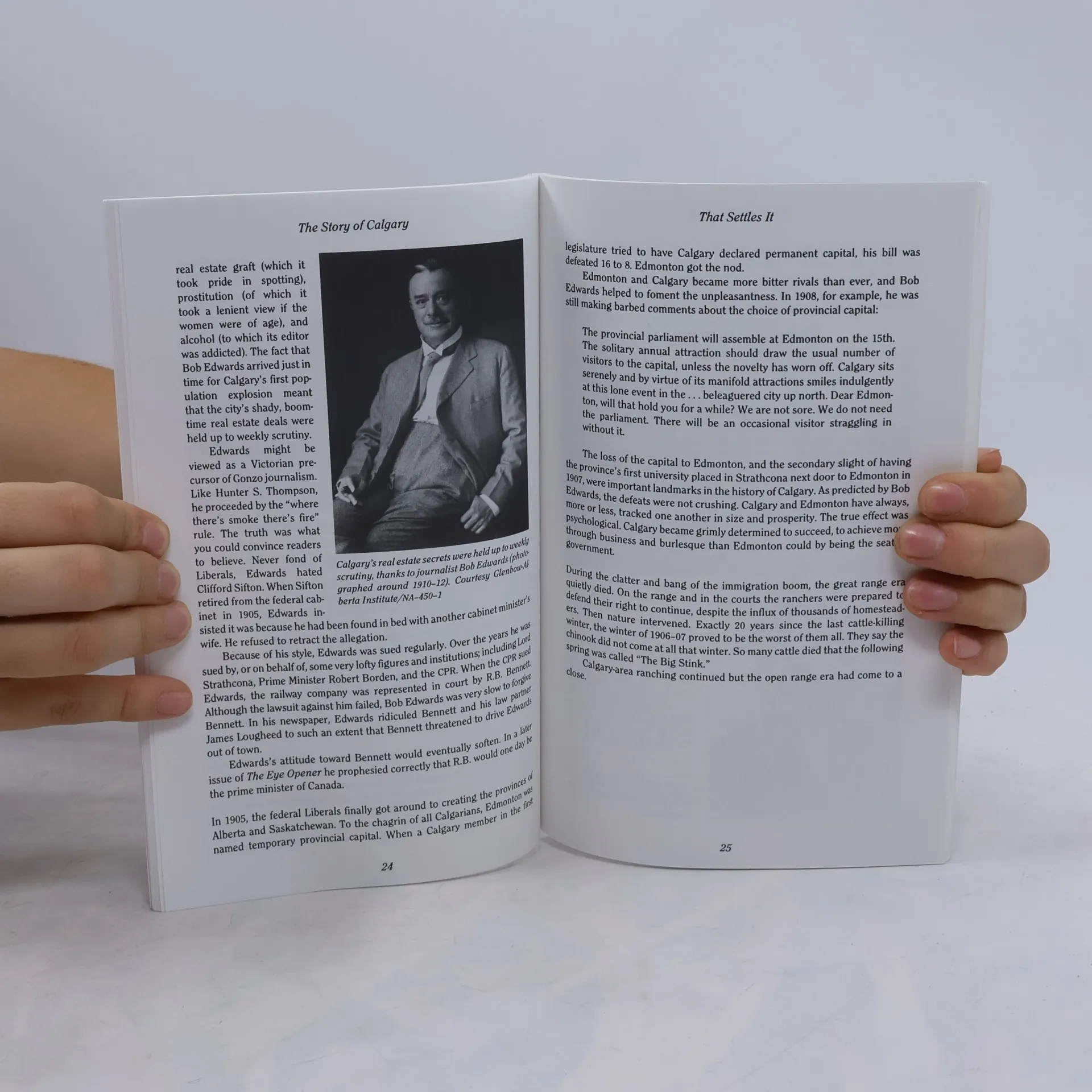
Calgary is a distinctive Canadian metropolis, recognized as a boomtown where fortunes are made and lost. This concise history explores the city’s major themes, influences, and achievements. It begins with the prehistoric era, detailing the evolution of the region's unique geography, followed by the aboriginal presence and the establishment of the first North-West Mounted Police post, Fort Calgary, in 1875. The narrative highlights Calgary's role in the cattle industry, the impact of railways on its prosperity, the founding of the Stampede in 1912, and the effects of the world wars and the Depression. The city is characterized by its reputation for entrepreneurial spirit, lively western ambiance, and a distinct political flavor that has occasionally led to tensions with Ottawa. The exceptional volunteerism in Calgary has contributed to the success of events like the Stampede and the Olympics. Key historical figures include Guy Weadick, the Stampede's promoter; Bob Edwards, a vocal newspaperman; suffragist Nellie McClung; cattle king Pat Burns; former premier Peter Lougheed; and Calgary's first Alberta-born mayor, Don Mackay, known for the tradition of gifting white cowboy hats to dignitaries. The narrative is enhanced by over forty archival photographs and a color section showcasing contemporary images of the city.
Acquisto del libro
The Story of Calgary, fred-stenson
- Lingua

- Pubblicato
- 1994
- Rilegatura
- (In brossura),
- Condizioni del libro
- In ottime condizioni
- Prezzo
- 12,89 €
Metodi di pagamento
Ancora nessuna valutazione.
- Titolo
- The Story of Calgary
- Lingua
- Inglese
- Autori
- fred-stenson
- Editore
- FIFTH HOUSE BOOKS
- Pubblicato
- 1994
- Formato
- In brossura
- Pagine
- 64
- ISBN10
- 1895618363
- ISBN13
- 9781895618365
- Serie
- Tag
- Descrizione
- Calgary is a distinctive Canadian metropolis, recognized as a boomtown where fortunes are made and lost. This concise history explores the city’s major themes, influences, and achievements. It begins with the prehistoric era, detailing the evolution of the region's unique geography, followed by the aboriginal presence and the establishment of the first North-West Mounted Police post, Fort Calgary, in 1875. The narrative highlights Calgary's role in the cattle industry, the impact of railways on its prosperity, the founding of the Stampede in 1912, and the effects of the world wars and the Depression. The city is characterized by its reputation for entrepreneurial spirit, lively western ambiance, and a distinct political flavor that has occasionally led to tensions with Ottawa. The exceptional volunteerism in Calgary has contributed to the success of events like the Stampede and the Olympics. Key historical figures include Guy Weadick, the Stampede's promoter; Bob Edwards, a vocal newspaperman; suffragist Nellie McClung; cattle king Pat Burns; former premier Peter Lougheed; and Calgary's first Alberta-born mayor, Don Mackay, known for the tradition of gifting white cowboy hats to dignitaries. The narrative is enhanced by over forty archival photographs and a color section showcasing contemporary images of the city.