


Parametri
- 392pagine
- 14 ore di lettura
Maggiori informazioni sul libro
How can a just peace be built in sites of genocide, massive civil war, dictatorship, terrorism, and poverty? In Strategies of Peace , the first volume in the Studies in Strategic Peacebuilding series, fifteen leading scholars propose an imaginative and provocative approach to peacebuilding. Today the dominant thinking is the "liberal peace," which stresses cease fires, elections, and short run peace operations carried out by international institutions, western states, and local political elites. But the liberal peace is not enough, the authors argue. A just and sustainable peace requires a far more holistic vision that links together activities, actors, and institutions at all levels. By exploring innovative models for building lasting peace-a United Nations counter-terrorism policy that also promotes good governance; coordination of the international prosecution of war criminals with local efforts to settle civil wars; increasing the involvement of religious leaders, whohave a unique ability to elicit peace settlements; and many others--the authors advance a bold new vision for peacebuilding.
Acquisto del libro
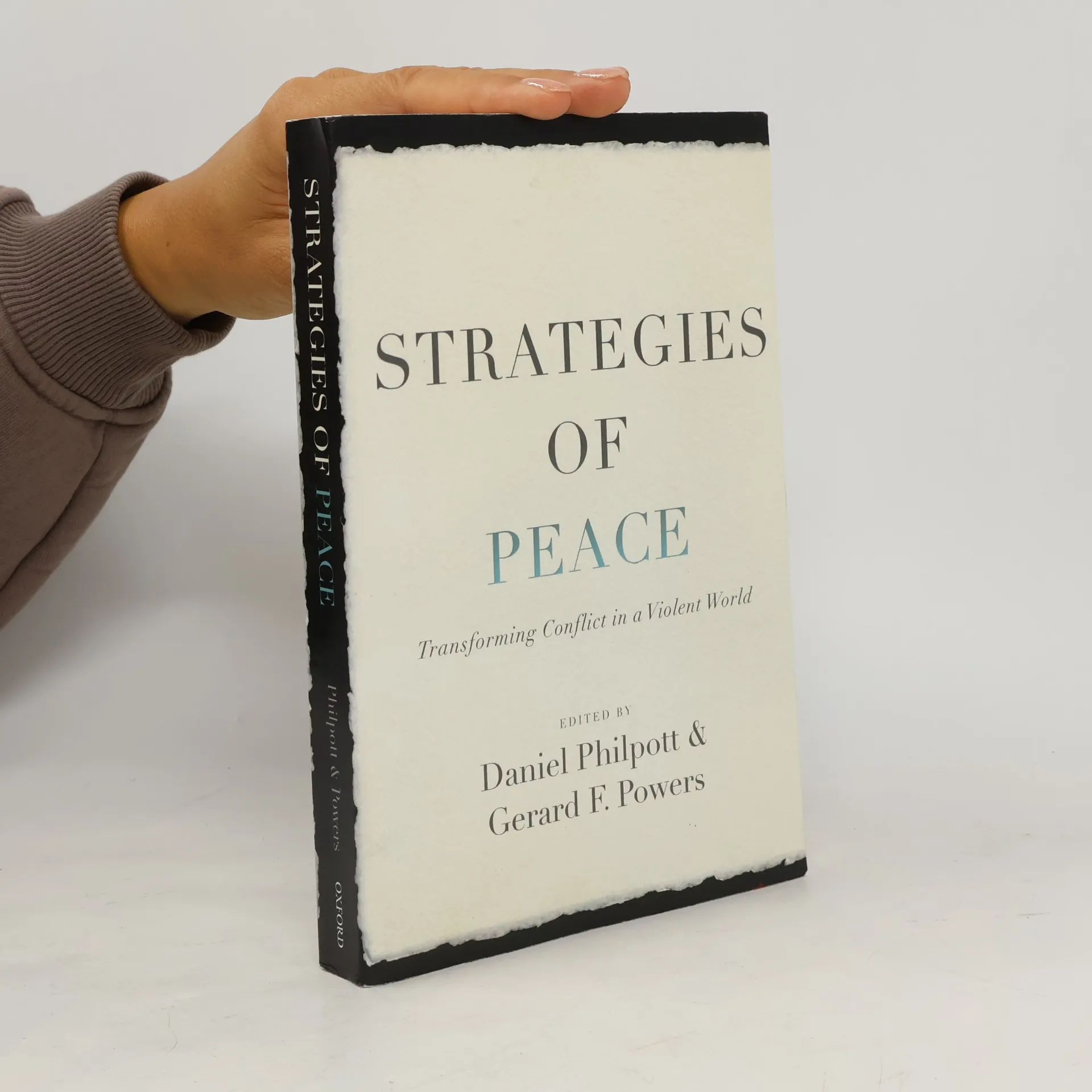
Strategies of Peace, Daniel Philpott, Gerard F. Powers
- Lingua

- Pubblicato
- 2010
- Rilegatura
- (In brossura),
- Condizioni del libro
- In buone condizioni
- Prezzo
- 5,99 €
Metodi di pagamento
Ancora nessuna valutazione.
- Titolo
- Strategies of Peace
- Sottotitolo
- Transforming Conflict in a Violent World
- Lingua
- Inglese
- Autori
- Daniel Philpott, Gerard F. Powers
- Editore
- Oxford University Press
- Pubblicato
- 2010
- Formato
- In brossura
- Pagine
- 392
- ISBN10
- 0195395905
- ISBN13
- 9780195395907
- Serie
- Descrizione
- How can a just peace be built in sites of genocide, massive civil war, dictatorship, terrorism, and poverty? In Strategies of Peace , the first volume in the Studies in Strategic Peacebuilding series, fifteen leading scholars propose an imaginative and provocative approach to peacebuilding. Today the dominant thinking is the "liberal peace," which stresses cease fires, elections, and short run peace operations carried out by international institutions, western states, and local political elites. But the liberal peace is not enough, the authors argue. A just and sustainable peace requires a far more holistic vision that links together activities, actors, and institutions at all levels. By exploring innovative models for building lasting peace-a United Nations counter-terrorism policy that also promotes good governance; coordination of the international prosecution of war criminals with local efforts to settle civil wars; increasing the involvement of religious leaders, whohave a unique ability to elicit peace settlements; and many others--the authors advance a bold new vision for peacebuilding.